
One-Kitchen-One-Bathroom Container House
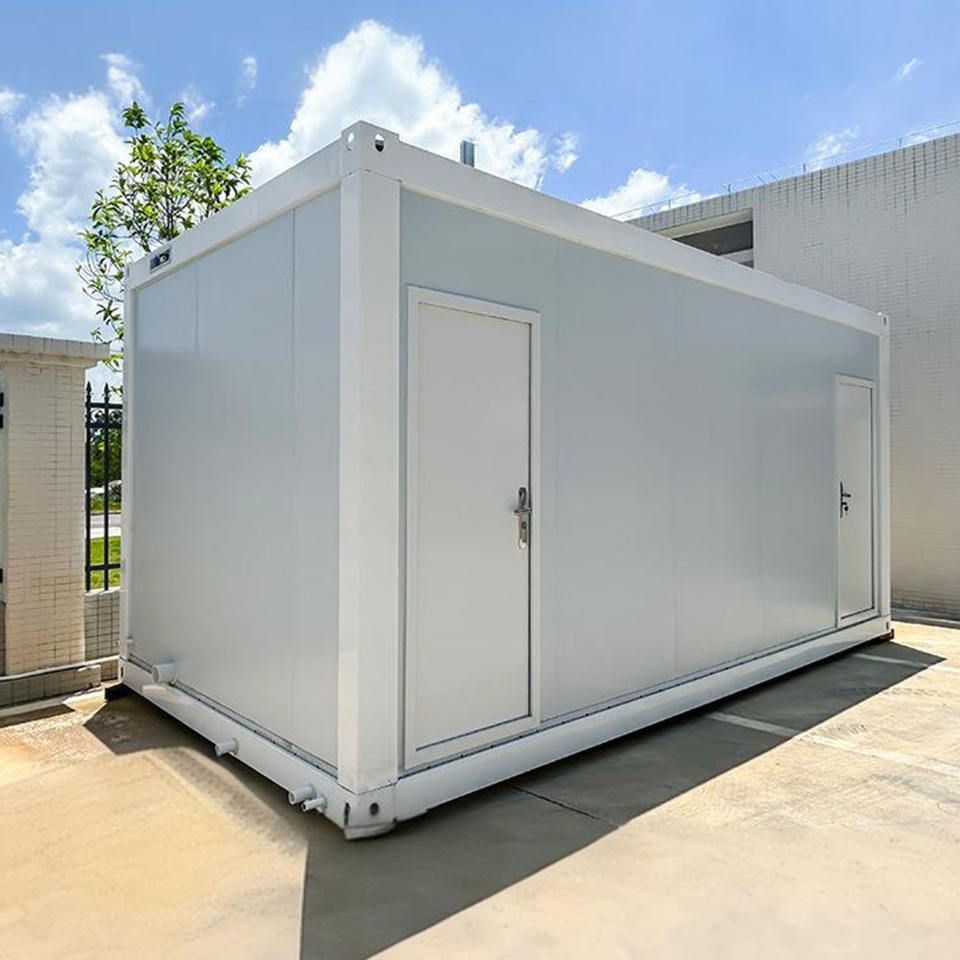
A one-kitchen-one-bathroom container house is a modular building that integrates kitchen and bathroom functions, featuring flexibility, convenience, and cost-effectiveness, suitable for various temporary or semi-permanent scenarios.
Brands and Styles
Currently, brands offering one-kitchen-one-bathroom container houses in the market include Yichang, Anjia, Sunmao, Zhongqiu, etc. In terms of style, they are mainly divided into two types: prefabricated and mobile. Prefabricated container houses are assembled on-site using factory-prefabricated components, with a short construction period and can be disassembled and reused. Mobile container houses emphasize overall transportability and are suitable for scenarios requiring frequent relocation, such as temporary housing on construction sites or event exhibition halls.
Materials and Structures
The choice of materials for container houses is diverse, directly affecting their performance and cost. Common materials include:
- Sandwich Panels: Composed of two layers of metal sheets on the outside and an insulating core material (such as polyurethane or rock wool) in the middle, offering both strength and thermal insulation. An 18-square-meter one-bedroom, one-living-room, one-bathroom product from Anhui Yichang Steel Structure Engineering Co., Ltd. uses this material.
- Color-Coated/Galvanized Steel Sheets: Steel sheets with a galvanized or coated surface, highly resistant to corrosion and commonly used for the outer structure.
- Steel Structures: Using low-alloy high-strength structural steel as the framework to provide overall stability, suitable for large-span or high-rise designs.
- Fireproof Boards/Rock Wool Boards: Used to enhance fire resistance and meet public building safety standards.
- Aluminum Composite Panels: Lightweight and decorative, often used for exterior facade beautification.
Uses and Scenarios
The functional design of one-kitchen-one-bathroom container houses makes them widely applicable:
- Temporary Housing: Such as worker dormitories on construction sites or transitional housing after disasters, meeting basic living needs.
- Commercial Uses: Sales offices, mobile shops, or event exhibition halls, quickly constructed through modular combinations.
- Industrial Fields: Clean rooms, equipment control rooms, requiring special materials (such as fireproof boards) to meet environmental requirements.
Pricing and Product Examples
Prices vary significantly depending on materials, size, and configuration. For example, an 18-square-meter one-bedroom, one-living-room, one-bathroom container house from a certain brand, using sandwich panel material, is priced at 1980.00 yuan per unit. Such products typically include basic water and electricity connections but require additional furniture or appliances based on actual needs.
Advantages and Limitations
Advantages: Modular design shortens the construction period, and disassembly and reuse reduce long-term costs; flexible material selection adapts to different climates and safety requirements.
Limitations: The space is relatively fixed, and large-scale use requires site planning; additional reinforcement is needed in extreme environments (such as strong winds or earthquakes).
Through standardized design and diverse materials, one-kitchen-one-bathroom container houses provide efficient solutions for temporary buildings, but costs and performance must be balanced according to specific scenarios.



