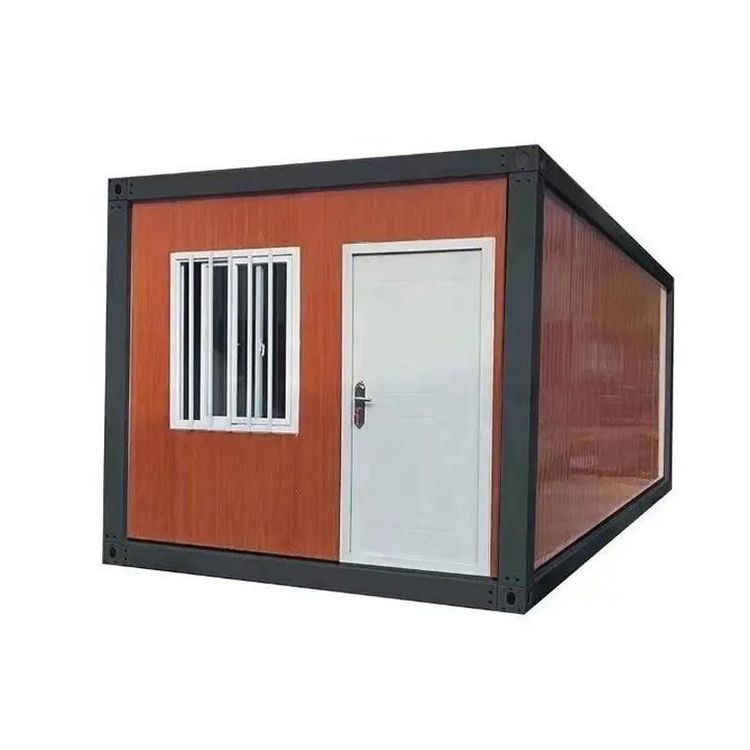
On-site Mobile Toilets
There are various types of mobile toilets used on-site, covering different designs, structures, mobility methods, and sewage treatment forms.

From the perspective of design types:
Container-type mobile toilets are a typical example. They usually measure 3 meters by 7 meters and are equipped with six squatting positions and urinals inside, making them suitable for high-traffic scenarios such as large events or construction sites. Independent mobile toilets, on the other hand, adopt a fixed box-room design. They are equipped with sit-down toilets, pedestal sinks, and wash mirrors inside, offering spacious space and being unisex. They are commonly found in temporary venues or scenic spots, balancing practicality and comfort.
Classified by structural form:
Single-unit mobile toilets are independent units with a simple structure and are easy to deploy quickly, suitable for scenarios with limited space. Composite-structure mobile toilets are composed of multiple modules and can expand functions or capacity according to needs, such as adding barrier-free facilities or mother-and-child rooms, offering higher flexibility.
Divided by mobility methods:
Hoisting and handling mobile toilets rely on lifting equipment or manual handling and are suitable for short-term use or scenarios requiring frequent relocation. Powered and towed mobile toilets are equipped with power systems or towing devices and can be moved by vehicle traction, suitable for occasions requiring long-distance transfer, such as touring performances or disaster relief.
Sewage treatment methods are the core difference:
Water-flush and non-water-flush suction mobile toilets rely on septic tanks or suction trucks for regular cleaning and are suitable for areas with sewage pipes or transportation conditions. Recirculating water-flush mobile toilets achieve sewage purification through biological degradation or physical filtration, allowing for the reuse of water resources and being suitable for water-scarce environments. Dry-pack mobile toilets use biodegradable bags to collect feces, requiring no water and causing no pollution, often used in ecologically sensitive areas or remote areas without infrastructure.
Mobile toilets exhibit significant modular characteristics in their composition, including fecal sewage storage tanks, floor slabs, sanitary ware, walls, washing equipment, water tanks, roofs, and mobility devices, etc. Each component can be flexibly configured according to needs. Their diverse designs enable them to adapt to different scenario requirements, from temporary events to long-term scenic spot operations, achieving efficient and environmentally friendly sanitation services by selecting the appropriate type.