
Northwest Mobile Toilet
Northwest mobile toilets need to possess physical properties such as cold resistance, heat resistance, and wind-sand resistance to adapt to the temperate continental climate. Core performance indicators should be comprehensively considered from four dimensions: structural safety, functional configuration, environmental adaptability, and production services.
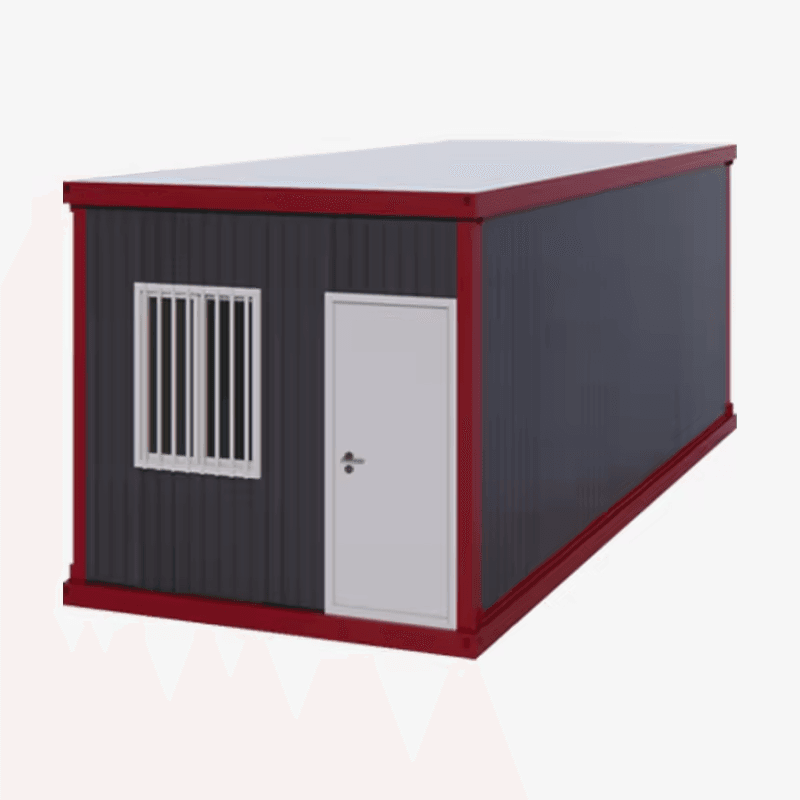
Structural safety and durability are fundamental requirements for northwest mobile toilets. The main frame should be made of high-strength materials, such as thickened galvanized steel pipes (wall thickness ≥ 2.5mm) or stainless steel, ensuring an earthquake and wind resistance rating of over 12 to cope with strong wind and sand weather. Precise welding techniques and anti-corrosion treatments using fluorocarbon paint or spray plating should be employed to enhance weather resistance and sealing, preventing material cracking caused by large temperature differences between day and night. For example, the frame design of Erdos Youwei Metal Manufacturing Co., Ltd. can withstand extreme climates in Inner Mongolia, with a winter insulation layer thickness of 8cm, maintaining an indoor temperature above 5℃ to avoid low-temperature cracking.
Functional configuration and intelligence should balance practicality and scenario adaptability. Water-saving shower systems, positive and negative pressure fresh air deodorization, and freeze protection (such as electric tracing pipes) are standard features to ensure normal operation in winter; in summer, ventilation design or intelligent temperature control systems are needed for cooling. Barrier-free facilities (such as handrails and ramps) and easy-to-clean and maintain structures (such as modular liners) enhance user experience. For special scenarios, customized functional modules can be added, such as ultraviolet disinfection lamps and automatic handwashing devices for mobile toilets in medical colleges, and ultra-high passenger flow handling systems or eco-friendly facilities for scenic area toilets.
Environmental adaptability and aesthetics require the appearance to blend with the surrounding landscape. Exterior wall materials can be selected from metal carved panels, real stone paint, or wood grain, with thermal insulation performance (K-value) meeting regional standards. For example, the Lanzhou Yellow River Scenic Area adopts an antique design, while the Danxia Landform Area chooses a modern minimalist style. Colors and shapes should coordinate with the natural environment to avoid a jarring appearance.
Production, delivery, and services should be efficient and reliable. Modular and prefabricated production shortens the cycle, and local manufacturers (such as Erdos Youwei Metal Manufacturing Co., Ltd.) have advantages in logistics, installation, and customized communication. The after-sales system should be comprehensive, with a commitment to lifelong maintenance, service outlets covering the region, and a response time of no more than 24 hours. Qualification certifications (such as ISO9001) and compliance (meeting municipal and public security bidding requirements) are guarantees for long-term cooperation. Additionally, to address the homogenization issue in the northwest market, choosing manufacturers that support deep customization can achieve a "one-scenario, one-solution" approach to meet personalized needs.



