
Back to blog
Article
Mobile Toilets for Rural Homes in Northeast China
Admin October 08, 2026
Mobile toilets for rural homes in Northeast China should be freeze-resistant products specifically designed for cold environments, taking into account structural design, mobility, sewage treatment, and thermal insulation performance, while also paying attention to material selection, capacity, and climate adaptability.
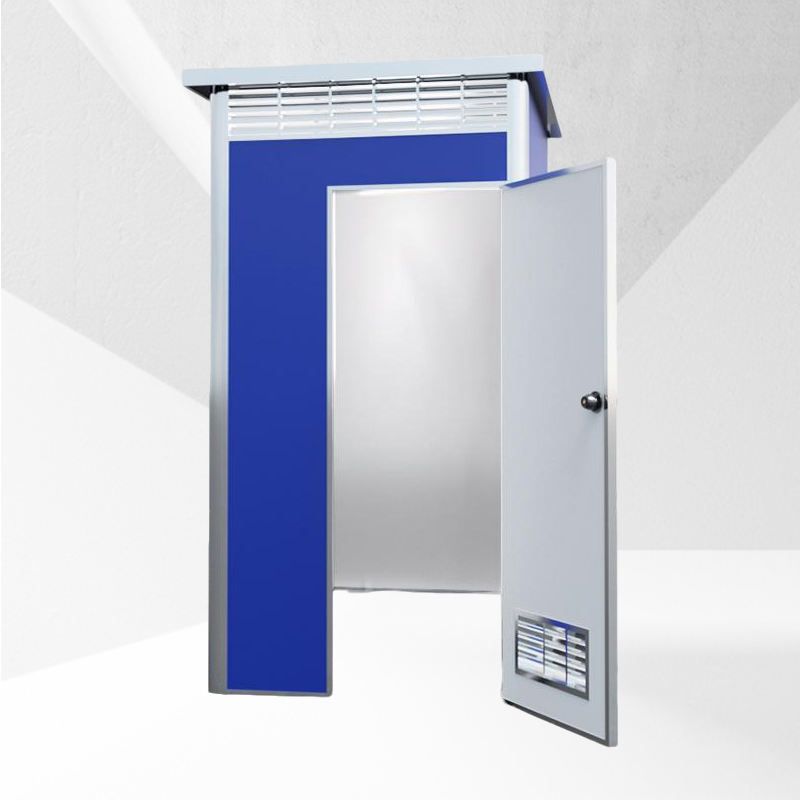
I. Core Types and Suitable Scenarios
- Structural Form: Single-unit structures are suitable for independent use by small families, while composite structures (multi-room combinations) are suitable for larger populations or scenarios requiring functional zoning (such as storage and washing).
- Mobility: Hoisting and handling types rely on cranes and are suitable for long-term use in fixed positions; powered trailer types can be transported by trailers, facilitating seasonal relocation.
- Sewage Treatment:
- Flush Type: Requires connection to a water source and is suitable for families with stable water supply conditions, but requires freeze protection in winter.
- Non-Flush Type:
- Waterless Packing Type: Collects excreta in biodegradable plastic bags, which are sealed and odorless, suitable for water-scarce areas.
- Foam Sealing Type: Uses foam to cover excreta, reducing odor diffusion, and requires regular replenishment of foam liquid.
- Biodegradable Type: Adds microbial decomposers to convert excreta into organic fertilizer, which can be directly used in vegetable gardens, being environmentally friendly and economical.
II. Key Measures for Freeze Protection and Thermal Insulation
- Structural Insulation: Choose mobile toilets with metal carved panels, whose composite structure of metal base plates and carved coatings, combined with internal insulation layers, can effectively reduce heat loss and ensure the normal operation of pipelines and flushing systems at temperatures as low as -30°C.
- Auxiliary Equipment: In extremely cold weather, electric heaters or resistance wire heating can be used inside the toilet, but ventilation must be maintained to avoid oxygen deficiency or fire.
- Water Pipe Protection: Wrap exposed water pipes with foam tubes or cloth, and fill the flushing bucket to two-thirds of its capacity daily to prevent full-bucket freezing and expansion; when not in use for a long time, drain the water from the water tank, pipes, and trap, and use a sponge or suction pump to remove residual water from the toilet trap.
- Chemical Freeze Protection: Add automotive antifreeze or salt to the water tank to lower the freezing point of water and enhance freeze resistance.
III. Purchase Considerations
- Material and Structure: Prioritize stainless steel or aluminum alloy frames, which are corrosion-resistant and have a long lifespan; carbon fiber panels are lightweight and strong, suitable for mobility needs. The walls should have built-in insulation layers to avoid single-layer iron sheet structures.
- Compliance: Choose manufacturers with formal qualifications and require them to provide inspection reports recognized by environmental protection departments to ensure that the products meet emission standards.
- Capacity Adaptation: For families of three or fewer, choose a 15-liter waste tank; for families of five or more, choose a 30-liter or larger tank; for frequent use, a dual waste tank design is recommended for convenient alternating cleaning.
- Climate Adaptation: For winter in northern regions, explicitly choose freeze-resistant materials, such as metal carved panels or models with thickened insulation layers.
IV. Price Reference The price of ordinary models ranges from 300 to 800 yuan, varying according to material, function, and capacity.
Related



