
Northeast Outdoor Mobile Toilet
The Northeast outdoor mobile toilet is a portable sanitation facility designed to meet the climatic characteristics and outdoor needs of the Northeast region, featuring flexible deployment and diverse functions. The following provides an introduction from the aspects of features, types, usage scenarios, and precautions:
I. Core Features
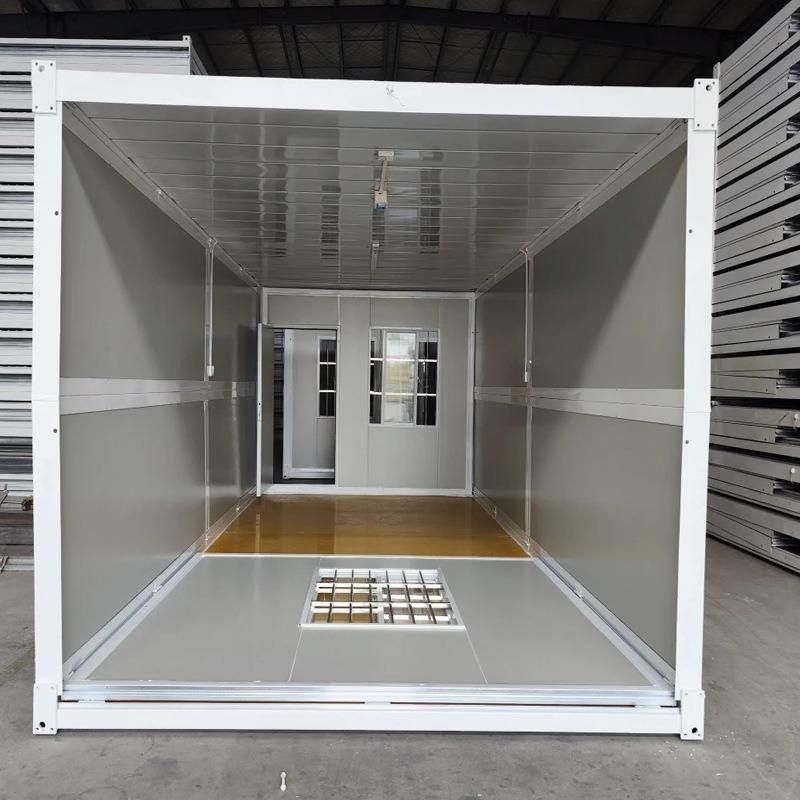
The Northeast outdoor mobile toilet primarily uses lightweight materials (such as high-strength plastics and aluminum alloys), facilitating easy transportation and rapid installation. Its internal configuration meets basic sanitation needs, including toilet bowls, handwashing devices (in some models), and ventilation systems. In response to the severe cold in Northeast winters, most products incorporate enhanced insulation designs, such as thickened cabinet structures and polyurethane insulation layers. Some high-end models are equipped with small electric heaters or underfloor heating systems to prevent water pipes from freezing or facilities from being damaged due to excessively low internal temperatures.
II. Main Types
- Standard Type: Simple in structure and low in cost, suitable for short-term events (such as fairs and construction sites), but lacking insulation measures, requiring additional antifreeze treatment in winter.
- Insulated Type: Specifically designed for low temperatures, with insulation layers in the cabinet up to 5-10 centimeters thick. It integrates a constant-temperature system inside to maintain temperatures above 0℃, ensuring the normal operation of the flushing system.
- Eco-Friendly Type: Utilizes biodegradation technology (such as microbial decomposition of waste) or waterless flushing systems (such as foam sealing), reducing water consumption and sewage discharge, suitable for ecologically sensitive areas or long-term outdoor projects.
- Barrier-Free Type: Designed for individuals with disabilities, featuring spacious interiors (width ≥ 1.5 meters), equipped with handrails, low-positioned handwashing basins, and non-slip floors, supporting free access for wheelchairs.
III. Typical Usage Scenarios
- Large Outdoor Events: Such as ice and snow festivals and music festivals, where they can be rapidly deployed to alleviate pressure on fixed toilets.
- Construction Sites: Provide temporary sanitation facilities for workers, enhancing compliance with the working environment.
- Tourist Attractions: Supplement fixed toilets during peak seasons or in remote areas, optimizing the visitor experience.
- Rural Fairs: Solve sanitation problems during temporary gatherings, preventing environmental pollution.
IV. Usage Precautions
- Sanitation Maintenance: Flush promptly after use (if equipped with a flushing function) and regularly clean the waste container to prevent odor diffusion.
- Winter Antifreeze: In extremely cold weather, prioritize insulated toilets or take measures such as wrapping standard types with insulation cotton and draining residual water for ordinary models.
- Rational Layout: Set up toilet locations based on pedestrian flow distribution, avoiding excessive concentration or deviation from main activity areas.
- Regular Disinfection: In high-frequency usage scenarios (such as construction sites and tourist attractions), clean daily and spray disinfectants to prevent bacterial growth.
In addition, mobile toilet rental services are widespread in the Northeast region, with short-term usage costs ranging from approximately 50 to 300 yuan per day. Long-term purchase prices vary significantly depending on materials and functions (ranging from 3,000 yuan to 20,000 yuan). It is advisable to choose a service provider based on actual needs.



