
Portable Toilets During Traffic Jams in Northern Xinjiang
The experience of using portable toilets during traffic jams in Northern Xinjiang is often poor, with sanitary conditions being difficult to guarantee. It is recommended to plan ahead and prioritize well-managed locations such as scenic spots or highway service areas.
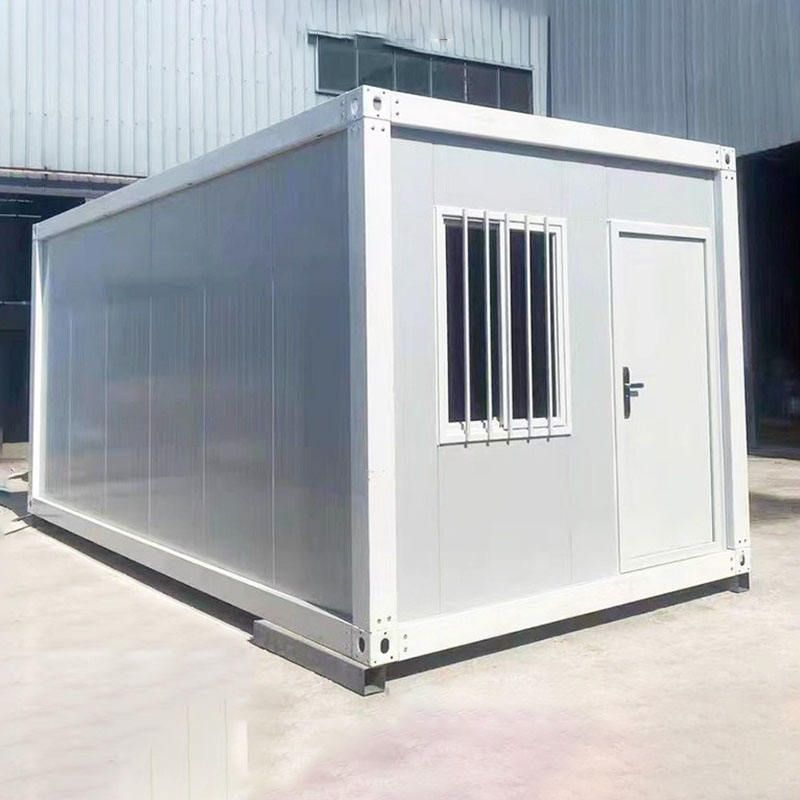
Reasons for the Poor Experience with Portable Toilets
During the peak tourist season or on specific road sections (such as the Duku Highway and the Ahe Highway) in Northern Xinjiang, sanitary issues with portable toilets are particularly prominent. For example, public toilets on the Duku Highway have been criticized by tourists as being "smelly and disgusting," with some portable toilets accumulating feces and emitting strong odors due to a lack of cleaning. During peak tourist periods at Sayram Lake Scenic Area, insufficient toilet capacity has led to some toilets being "blocked with feces," resulting in an extremely poor experience for visitors. The root cause of these problems lies in the surge in tourist traffic during peak periods, while the cleaning frequency and management level of portable toilets have not been improved simultaneously, leading to a rapid deterioration in sanitary conditions.
Specific Manifestations of Poor Sanitary Conditions
- Insufficient Cleaning: Some portable toilets lack dedicated management personnel, resulting in low cleaning frequencies, fecal residue, urine overflow, and pervasive odors.
- Aging Facilities: Some portable toilets have been in use for a long time, with damaged facilities (such as broken door locks and malfunctioning flushing systems), further exacerbating sanitary issues.
- Unreasonable Distribution: On congested road sections, portable toilets may be concentrated near gas stations or small restaurants, but the toilet management at these locations is often不规范 (not standardized), leading to poor sanitary conditions.
Suggestions for Improvement
- Plan Ahead: Before traveling, check the distribution of toilets through the official website of the scenic spot or travel platforms, and prioritize scenic spots or highway service areas with sufficient toilet capacity and well-managed facilities.
- Avoid High-Risk Locations: Try to avoid using portable toilets at gas stations, small restaurants, or locations with poor sanitary conditions, as the cleaning frequency and facility maintenance at these places are usually inadequate.
- Carry Emergency Supplies: Bring disposable toilet seat covers, disinfectant wipes, or portable urine bags to cope with emergencies and reduce the risk of direct contact with contaminants.
- Stay Informed about Scenic Spot Updates: Some scenic spots (such as Sayram Lake) add temporary public toilets or accelerate the construction of new ones during peak periods. Staying informed about such updates can optimize the toilet experience.
The sanitary issues with portable toilets during traffic jams in Northern Xinjiang require attention. Reasonable planning and selection can effectively reduce discomfort.



