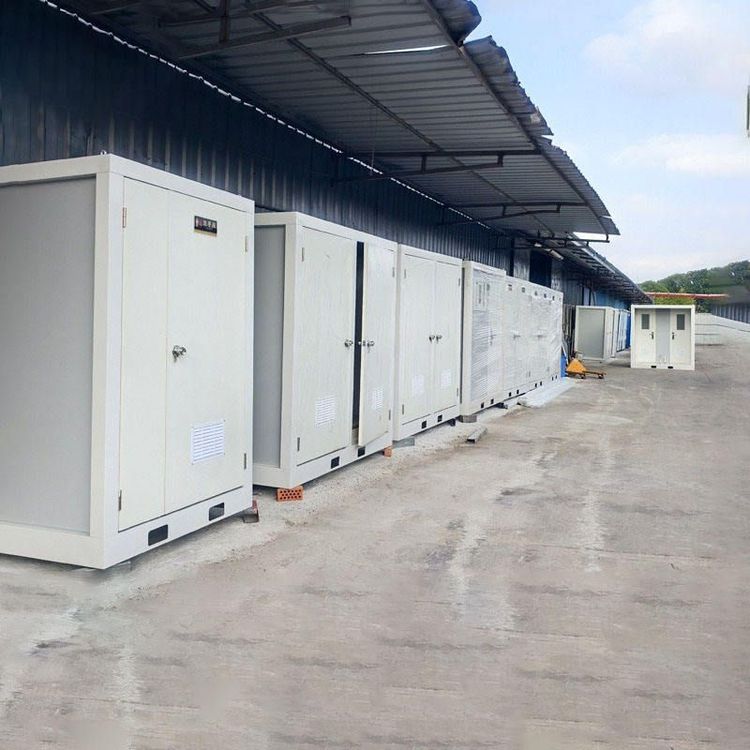
North Korea Mobile Toilet
The mobile toilet services in the Yanbian Korean Autonomous Prefecture are comprehensive, covering rental, sales, and related supporting services.

Service Content and Models
The Yanbian Korean Autonomous Prefecture offers rental and sales services for mobile toilets, mobile restrooms, mobile washrooms, and other equipment, extending to the research and development, production, sales, and technical training of supporting products, forming a one-stop service system.
- Rental Model: Suitable for short-term events, such as Korean cultural festivals, fairs, and other temporary gathering scenarios. It can quickly respond to sanitation needs and avoid resource idleness.
- Sales Model: Suitable for long-term use scenarios, such as construction sites and scenic spots. Users need to bear the responsibility for equipment maintenance and disposal, and costs should be comprehensively considered in combination with usage frequency.
Technical Advantages and Environmental Protection Features
Mobile toilets achieve environmental friendliness through technological innovation:
- Ecological Protection: They reduce direct sewage discharge and avoid damage to vegetation and soil caused by the construction of traditional fixed toilets. Some adopt biodegradation technology to reduce the use of chemical agents.
- Climate Adaptability: In response to the climatic characteristics of the Yanbian area, insulating materials or heating devices are used in winter to prevent freezing, and ventilation and deodorization designs are enhanced in summer to improve user comfort.
- Modular Design: They are easy to install and dismantle quickly, reducing physical interference with construction sites, especially suitable for ecologically sensitive areas.
Application Scenarios and Maintenance Management
Mobile toilets cover a variety of scenarios, including construction sites, music festivals, marathons, concerts, etc. Their maintenance and management need to follow scientific norms:
- Cleaning Frequency: Adjusted according to usage intensity. High-traffic scenarios require daily cleaning, while low-traffic scenarios can extend the cycle.
- Disinfection Measures: Use environmentally friendly cleaning agents to avoid secondary pollution and ensure public health and safety.
- Equipment Inspection: Regularly inspect the operating status of key components (such as flushing systems and sealing structures) to ensure stable functionality.
Promotion Challenges and Optimization Directions
Although mobile toilets have significant advantages, their popularization still faces challenges:
- User Awareness: There is a need to guide users through publicity to change traditional sanitation habits and improve acceptance.
- Cost Issues: The manufacturing and maintenance costs of environmentally friendly equipment are relatively high, and cost reduction through technological iteration is necessary.
- Logistics System: The waste cleaning and disposal capacity in remote areas is insufficient, and supporting infrastructure needs to be improved.
- Cultural Integration: By borrowing local visual elements such as exterior colors and decorative patterns to reduce the sense of foreignness, and optimizing service processes to align with local living habits.