
Non-movable Container House
Whether a non-movable container house is considered an illegal structure depends on the situation, with the core criteria being its use and approval procedures.
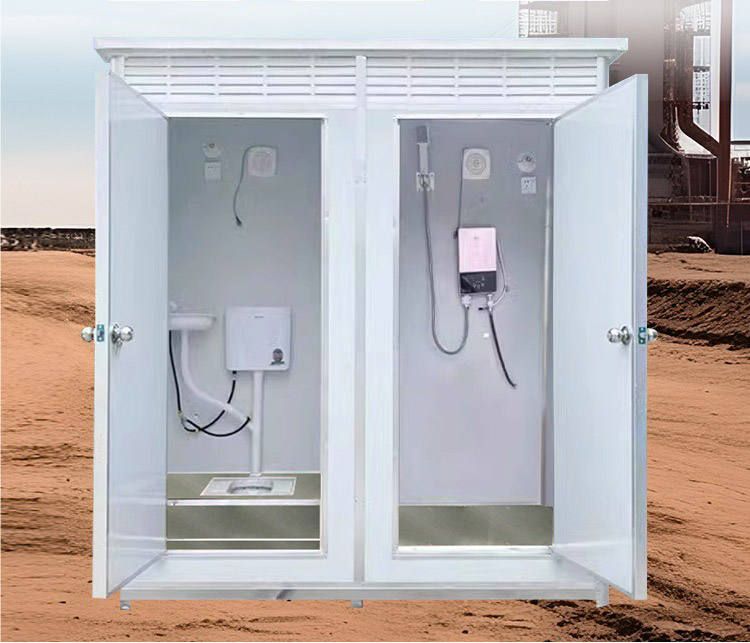
The Nature of the Container Itself
A container is essentially a movable metal component, not a traditional building. It was originally designed for logistics and transportation, featuring standardization and modularity, which facilitate easy handling and assembly at different locations. From this perspective, simply placing a container does not directly constitute an illegal structure.
Determination of Illegal Structures Based on Different Uses
- As a Warehouse: If the container is used solely as a warehouse for storing items, does not occupy public space, does not affect others' normal lives, and complies with relevant planning and management requirements, it generally does not count as an illegal structure. However, if it is placed on public land, such as a fire lane or public green space in a residential area, without the approval of the property management or other relevant authorities, it constitutes an illegal act.
- As a Residential Space: When a container is used as a residential house, it is usually considered an illegal structure. This is because residential functions have high requirements for building safety, sanitation, and supporting facilities, which are not adequately considered in the design of containers. Additionally, unauthorized changes to land use and building functions without approval violate relevant laws and regulations, making it an illegal structure.
The Importance of Approval Procedures
Regardless of the use of the container, obtaining approval from relevant departments is crucial. If an application is submitted to planning, urban management, or other relevant departments before using the container, and the necessary approval procedures are followed to obtain legal usage permission, then even if the container is used for residential or other special purposes, it does not constitute an illegal structure. Conversely, if it is used without approval, even though the container itself is not a traditional building, it may still be considered an illegal structure.



