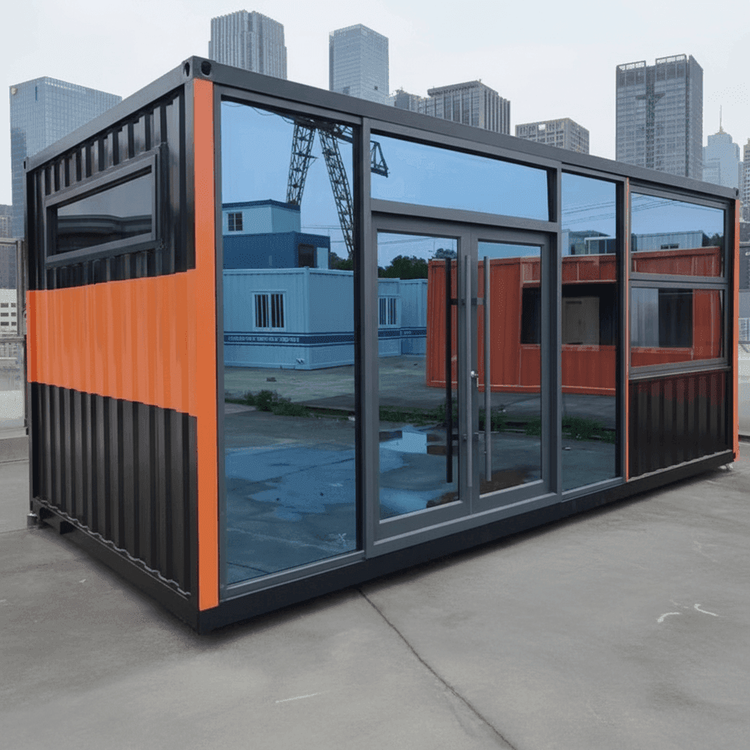
Mobile Toilets Without Queuing
Currently, there are no absolutely 'queue-free' mobile toilets, but the flexible deployment characteristics of mobile toilets can effectively reduce queuing situations. Here is a detailed analysis:

Advantages of Flexible Deployment of Mobile Toilets
Mobile toilets are flexible, convenient, and can be positioned at any time without being restricted by fixed buildings. They can be flexibly scheduled based on factors such as crowd density and event locations. For example, in urban business districts, when foot traffic significantly increases on weekends or holidays, relevant departments can increase the number of mobile toilets at reasonable locations around the business district in advance based on predicted foot traffic data to meet the toilet needs of more people. During large-scale exhibitions, organizers can arrange mobile toilets in different areas inside and outside the exhibition hall according to the scale of the exhibition and the expected number of visitors to avoid long queues due to insufficient toilet numbers. For remote outdoor scenic spots, due to the large area of the scenic spots and uneven distribution of tourists, mobile toilets can be dynamically adjusted according to tourists' sightseeing routes and concentrated areas to ensure that each area has sufficient toilet resources and reduce tourists' queuing time.
Principle of Reducing Queuing
By reasonably planning and flexibly scheduling mobile toilets, toilet resources can be better matched with crowd distribution. When the number of mobile toilets in a certain area can meet the simultaneous toilet needs of that area, queuing phenomena can be effectively controlled. Moreover, mobile toilets can be quickly deployed. Once queuing is found at a certain location, mobile toilets from other areas can be promptly dispatched for support to further alleviate queuing pressure.
Consideration of Actual Situations
However, in actual use, it is relatively difficult to completely achieve 'no queuing'. Because foot traffic is dynamically changing, there may be sudden large gatherings of people, causing the originally planned number of mobile toilets to be unable to meet instant demands. In addition, factors such as the usage frequency and cleaning and maintenance of mobile toilets also affect their usage efficiency. If cleaning is not timely, it may reduce people's willingness to use them, thereby indirectly affecting queuing situations. But overall, the flexible characteristics of mobile toilets give them significant advantages in reducing queuing.