
No Mobile Toilets
The reasons for not providing mobile toilets vary in different scenarios, as detailed below:
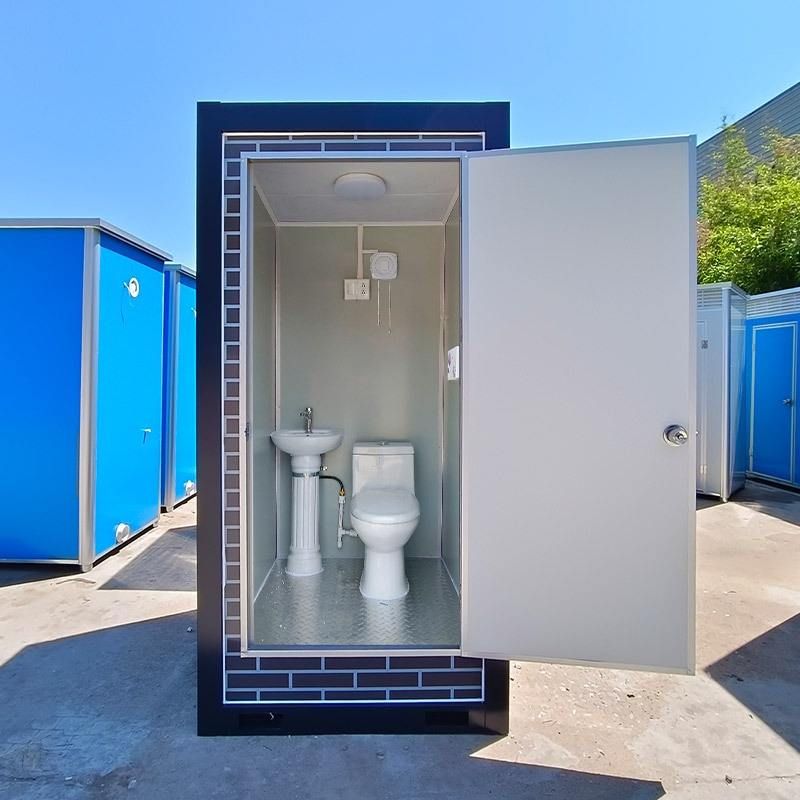
Home Scenarios
Toilets in homes are typically fixed sanitary facilities and are not recommended for relocation. Firstly, technical issues: Installing a toilet requires consideration of key factors such as drainage, ventilation, and waterproofing. The drainage system needs to be connected to the municipal sewer network or septic tank; relocating the toilet may disrupt the original drainage path, leading to sewage leakage or blockage. The ventilation system must ensure air circulation to prevent odor buildup; relocation may affect ventilation effectiveness, reducing user comfort. Waterproofing must prevent water from seeping into lower floors or walls; relocating the toilet may damage the waterproof layer, causing leakage problems. Secondly, structural safety: The toilet's location involves the building's load-bearing structures, such as walls and floors. Relocating the toilet arbitrarily may alter the structural load distribution, threatening the overall safety of the building and potentially leading to serious consequences such as wall cracks or floor subsidence. Thirdly, spatial layout: The toilet's location is usually determined based on the overall layout of the home space, such as its distance from bedrooms and living rooms, as well as its relative position to the kitchen and dining area. Relocating the toilet arbitrarily may disrupt the original spatial layout, causing inconvenience in use, such as unreasonable traffic flow or reduced privacy. Fourthly, regulatory restrictions: Some regions may have specific regulations regarding toilet locations, such as minimum distance requirements from water sources or roads; relocating the toilet may violate these regulations, resulting in penalties or rectification requirements.
Public Scenarios (e.g., Greenways)
Mobile toilets on greenways are "closed to the public," primarily due to severe damage. Some mobile toilets are prone to human vandalism or natural wear and tear due to material or design issues, such as broken locks, leaking water tanks, or damaged walls. After repairs, they are often vandalized again within a few days, making it impossible to maintain normal operation continuously. Management may choose to temporarily close them for repairs or replacement.
Business Venues (e.g., Mobile Service Halls)
Some mobile service halls do not have toilets open to the public. Firstly, at the legal obligation level: Toilets in company premises are generally not considered public facilities, and the law does not explicitly require them to be open to customers. Therefore, management may choose not to open the toilets based on considerations of cost and safety. Secondly, at the moral level: Some argue that as service venues, business halls should provide basic conveniences to customers, such as open toilets, to enhance customer experience and satisfaction.


