No Mobile Toilets on Highways
There are not entirely no solutions or facilities related to mobile toilets on highways; restroom needs can be met through service areas, emergency tools, and corporate services.

1. Highway Service Areas: Combination of Fixed Facilities and Mobile Toilets
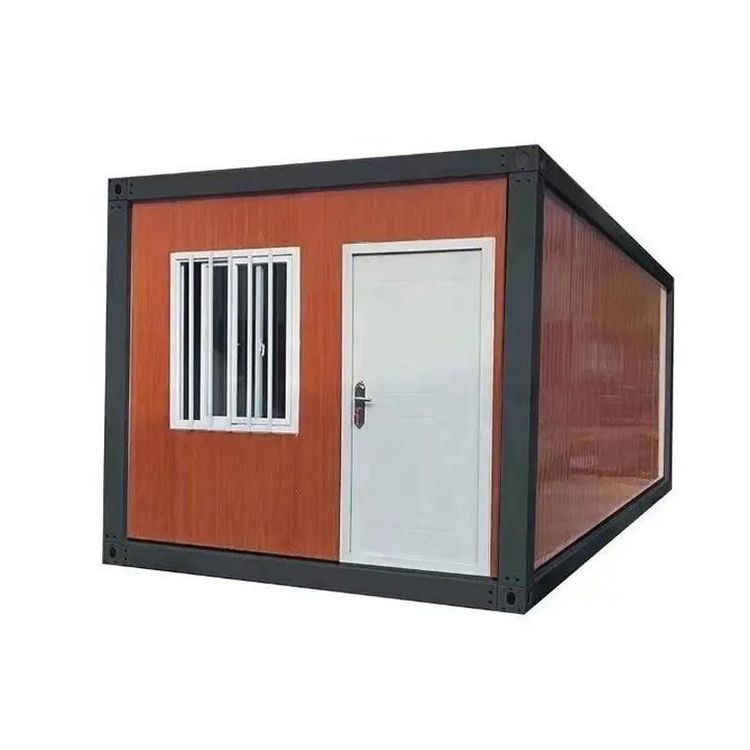
Highway service areas are the primary locations for addressing restroom needs. Some service areas have introduced smart public restroom systems that optimize the user experience through real-time monitoring of toilet availability, environmental sensing (such as temperature, humidity, and odor concentration), and other technologies, reducing waiting times in queues. Additionally, as an extension of fixed facilities, service areas may temporarily add mobile toilets during holidays or peak traffic periods to cope with surges in passenger flow. These mobile toilets are typically single-unit or modular, featuring rapid deployment and easy cleaning, effectively alleviating the pressure on fixed public restrooms.
2. Emergency Scenarios: Portable Folding Toilets
For emergencies such as highway traffic jams or vehicle breakdowns, portable folding toilets are a practical choice for individuals. These products use lightweight materials (such as plastic or silicone), folding into a compact size for storage in the trunk or a corner of the vehicle; when unfolded, they feature a sealed design to prevent odor leakage, with some models equipped with garbage bags or biodegradable materials for easy disposal after use. They are particularly suitable for families with children or elderly members, providing a temporary solution during prolonged delays.
3. Mobile Toilet Corporate Services: Customized Deployment
Professional mobile toilet companies offer a variety of products, including single-unit (standalone), modular (multi-unit拼接), and eco-friendly (waterless flush or microbial degradation) options, which can be customized for deployment in road traffic scenarios. For example, near large events or construction sites, companies can transport and install mobile toilets in advance to meet temporary needs. However, such services require prior planning and contact with the company and are generally not suitable for emergencies.
4. Toll Station Management: Internal Facilities Not Open to the Public
Toll stations without restrooms primarily address staff restroom needs through shift rotation systems and sanitary facilities in internal rest areas, but these facilities are not directly open to the public. Therefore, toll stations themselves do not provide mobile toilet services, and the public must still rely on service areas or emergency tools.
In summary, while there is no universal fixed installation of “mobile toilets” on highways, a multi-tiered solution has been formed through upgrades to service area facilities, emergency tool stockpiling, and corporate customized services. The public can prepare in advance based on their travel plans or use smart public restroom systems to check the real-time status of service areas to enhance their travel experience.