
What is a Mobile Toilet in Ningxia
In Ningxia, mobile toilets are sanitary units with an integrated structure that can be relocated as a whole or temporarily installed. They are primarily used in scenic spots and other locations to meet the toilet needs of tourists while adapting to seasonal fluctuations in visitor numbers and environmental protection requirements.
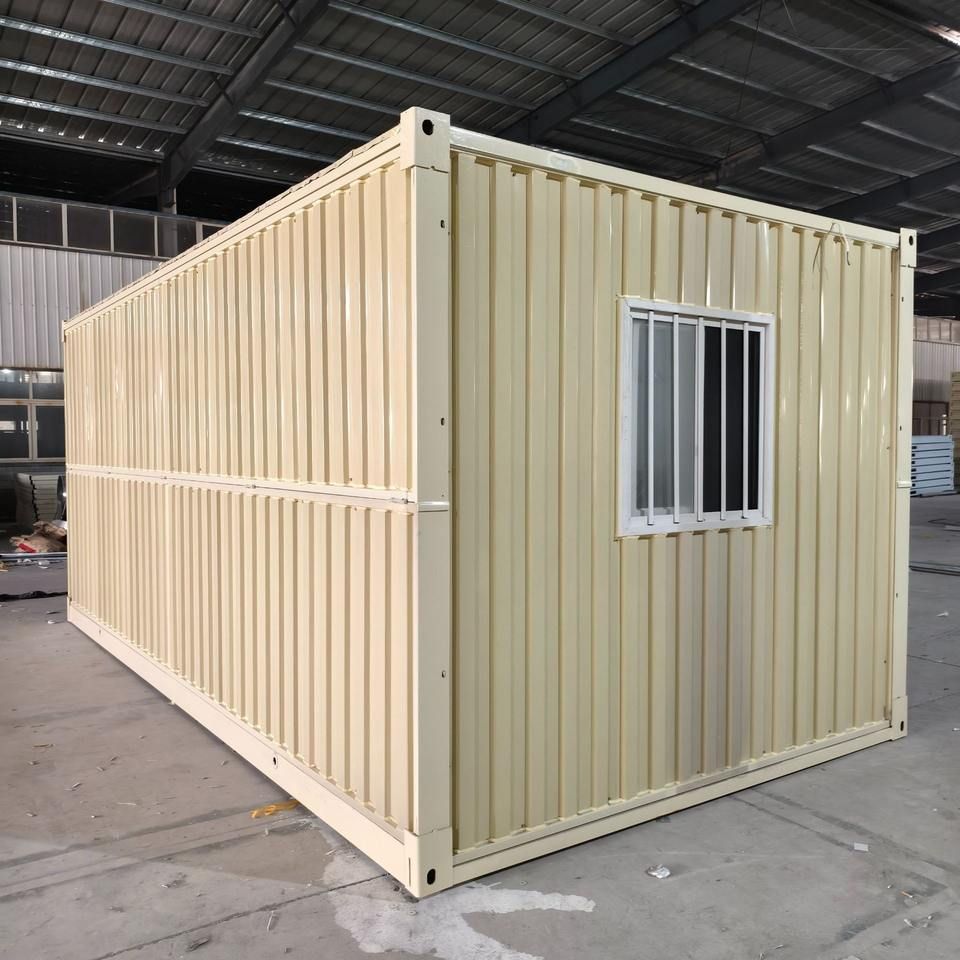
Appearance and Structure
Mobile toilets often feature a modular box design. Common materials include fiberglass and metal composites. Their exterior maintains a simple geometric shape, with some coated with sand-resistant paint for easy transportation and transfer via standard container vehicles. They can also complete on-site basic installation within half a day. This design enables rapid deployment and flexible repositioning to meet the demands of different scenarios.
Internal Sanitation System
They are equipped with either waterless or micro-flush treatment devices. The waterless type relies on biodegradable bags and coagulants to seal solid waste. The micro-flush system uses high-pressure airflow and a minimal amount of water mist for cleaning, with daily water consumption not exceeding fifteen percent of that of traditional flush toilets, effectively conserving water resources.
Sewage Treatment Modes
There are two mainstream modes: independent sewage storage tanks for regular removal and integrated small-scale biological treatment units. The latter can convert organic waste into neutral humus for use in scenic area landscaping, achieving resource recycling.
Operation and Maintenance Management
This involves a standardized cleaning process twice a day, replenishing consumables based on real-time monitoring data, and regularly inspecting the ventilation system, door locks, and lighting equipment to ensure the normal operation of the toilets.
Energy-Saving Design
Photovoltaic panels are installed on the roof to provide auxiliary power. Rainwater collection gutters are equipped for external flushing. In winter, insulation materials are added to the wall cavities to reduce heating energy consumption and lower overall energy use.
Layout Planning
From the perspective of scenic area planning, toilet placement should comprehensively consider tourist movement patterns, landscape coordination, and infrastructure connectivity. They are typically located at trail intersections, near viewing platforms, and at the edges of parking lots, within a 500-meter range of tourist service centers. The placement density follows national standards for toilet settings in tourist attractions and is adjusted according to the actual terrain of the scenic area.



