
Ningxia Mobile Toilet
Ningxia mobile toilets are modular sanitation facility units that can be moved as a whole or quickly assembled and disassembled, featuring dynamic adaptability to urban land use, flexible site selection, and on-site waste treatment.
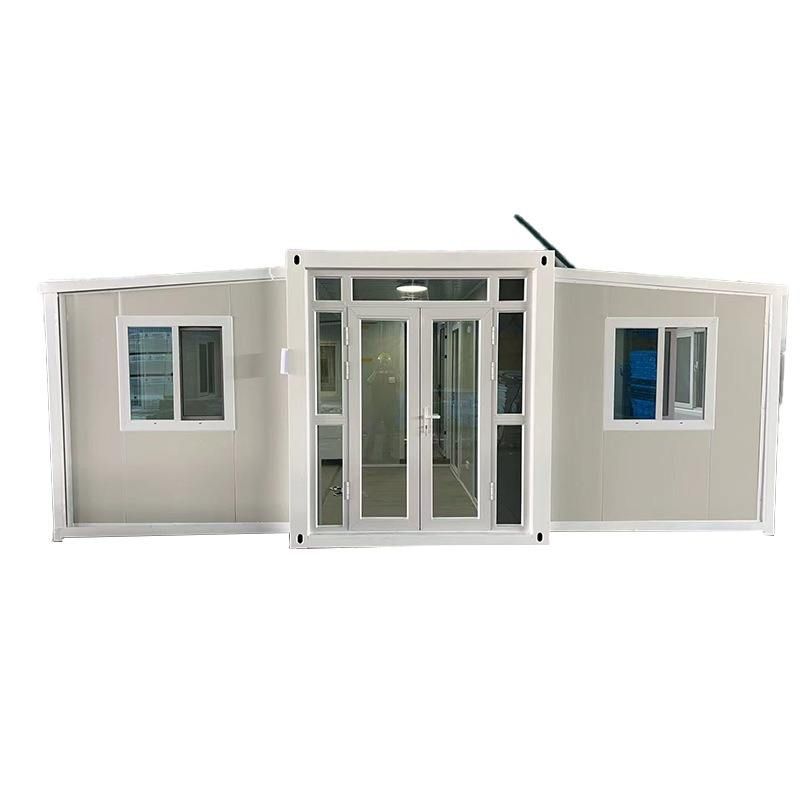
I. Modular Design and Dynamic Adaptability
Ningxia mobile toilets are based on a modular design concept, breaking down restroom functions into independent modules such as structural frameworks, sanitary fixtures, sewage treatment, water and electricity supply, etc. After being prefabricated in factories, these modules are rapidly assembled on-site through standardized interfaces, significantly shortening construction periods. Their core advantage lies in dynamic adaptability to urban land use: they can be quickly deployed or removed based on pedestrian flow data (e.g., tourist volume in scenic spots, scale of temporary events), avoiding resource misallocation caused by improper site selection of traditional fixed toilets. For example, during large-scale exhibitions or music festivals, mobile toilets can be concentrated in high-demand areas and quickly relocated after the events, improving land use efficiency.
II. Mainstream Technological Paths and Environmental Protection Characteristics
Currently, Ningxia mobile toilets adopt three mainstream technological paths:
- Recirculating Water Flushing Technology: This technology achieves water resource recycling through physical filtration and chemical disinfection, saving over 80% of water per toilet daily. It is suitable for water-scarce areas or long-term fixed use scenarios.
- Microbial Degradation Technology: This technology utilizes specific microbial communities to decompose feces into harmless organic matter, eliminating the need for external sewage pipes throughout the process and reducing dependence on municipal systems.
- Packaging and Sealing Technology: This technology uses biodegradable film bags to encapsulate excreta, which are regularly replaced and treated. It is suitable for remote areas without water and electricity supply or emergency scenarios.
These technologies all enable on-site or small-scale waste treatment, meeting environmental protection requirements.
III. Humanized Design and Functional Expansion
New mobile toilets incorporate multiple designs to enhance hygiene and comfort:
- Negative Pressure Exhaust System: This system reduces odors through forced ventilation, maintaining fresh indoor air.
- Automatic Sensing Devices: Including sensor faucets, flushing devices, and lighting systems, these devices reduce the risk of cross-infection and save energy.
- Emergency Call Buttons: Equipped with emergency contact functions, these buttons ensure the safety of special populations.
- Barrier-Free Access and Maternal and Child Care Stations: These features meet the special needs of disabled individuals, mothers, and infants, reflecting social inclusivity.
IV. Brand and Type Diversity
The Ningxia market boasts numerous brands such as Shengfengshang, Jindimei, and Yibingsi, with product types covering mobile toilets, eco-friendly toilets, container toilets, etc. Material choices include steel structures (high durability), stainless steel (corrosion resistance), and color-coated steel (lightweight and economical), allowing for customized configurations for different uses such as outdoor restrooms and construction site toilets. For example, construction site toilets typically use impact-resistant steel structures, while scenic spot toilets focus more on aesthetic appeal and environmental performance.



