Ningling County Mobile Toilet Renovation
Ningling County has mainly carried out local toilet renovation and leasing services as well as rural toilet renovation work in terms of mobile toilet renovation.

Local Toilet Renovation and Leasing Services
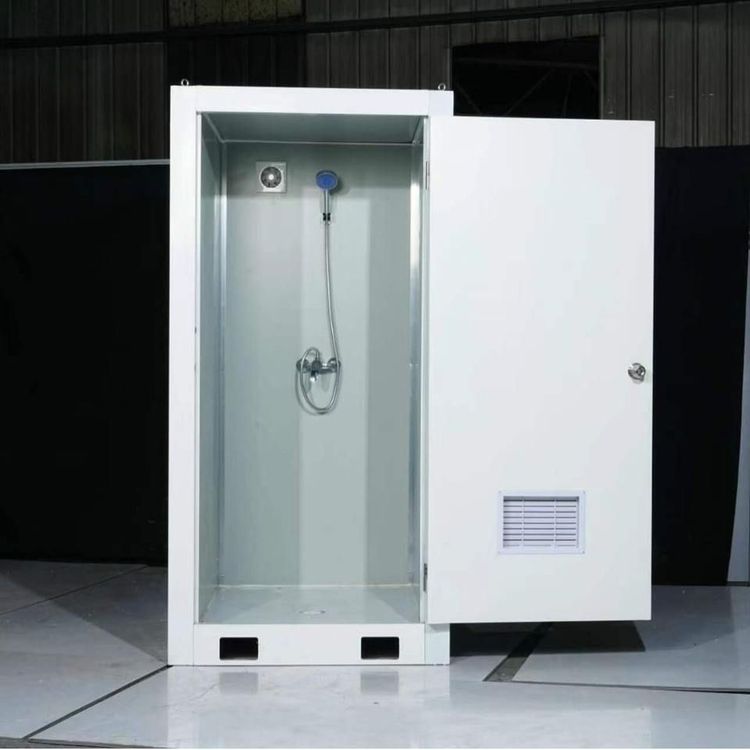
Shangqiu Ningling offers waterless flushing services for mobile toilet renovation and leasing, provided by Xuhu Environmental Protection Equipment Co., Ltd. The company offers high-, medium-, and low-end toilets to meet different scenarios and needs. These mobile toilets have served various product launches, groundbreaking ceremonies, toilet use in construction projects, parking lots, and various grand events. They have many advantages, including low cost, which reduces usage expenses; long service life, allowing for long-term use; attractive appearance, enhancing the overall environmental image; environmental friendliness, aligning with current green development concepts; water conservation, providing significant advantages in water-scarce areas or places with high water resource protection requirements; simple construction, facilitating easy installation and disassembly; convenience and hygiene, offering a good toilet experience for users; and mobility, allowing for flexible adjustment of positions according to actual needs. Therefore, they are widely used in tourist attractions, bathhouses, stations and docks, event venues, sports stadiums, and other places, effectively addressing the high demand for toilets in areas with large personnel flows.
Rural Toilet Renovation Work
Taking Shiqiao Town as an example, since 2018, it has deeply implemented the "Toilet Revolution" and renovated the toilets of 5,260 rural households across the town. In response to minor issues that arose after the renovation, each village established a toilet renovation team to provide free on-site repairs for the villagers, a move that was highly praised by the villagers. The town also mobilized town and village cadres and the first secretaries stationed in villages to conduct comprehensive inspections of rural toilets, established 23 toilet renovation teams, and created rectification ledgers to address issues one by one. At the same time, it effectively utilized grid management to establish and improve a long-term toilet maintenance mechanism, designating dedicated repair and maintenance personnel to ensure a combination of "renovation, management, and repair" work, thereby ensuring the long-term normal use of renovated toilets and improving the quality of life for rural residents.