
Ningbo Mobile Environmental Sanitation Toilet
The Ningbo mobile environmental sanitation toilet is a temporary sanitation facility with characteristics such as relocatability, short installation periods, and flexible configurations, suitable for various scenarios. It offers comprehensive leasing services and standardized operational management.
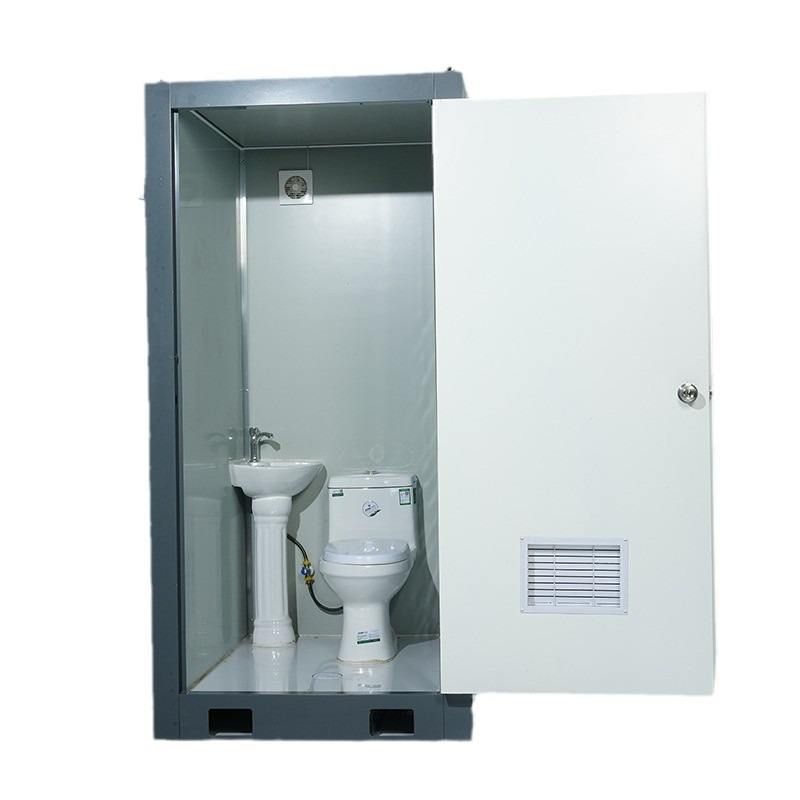
I. Basic Features The main frame of the Ningbo mobile environmental sanitation toilet is mostly made of lightweight, high-strength synthetic materials or metal panels, supporting integral hoisting and transportation for easy repeated deployment at different locations. Its internal configurations are divided into basic and enhanced types: the basic type meets fundamental needs, while the enhanced type is designed for special scenarios, such as being equipped with barrier-free facilities and baby care stations for specific functions. The sewage storage system uses sealed storage or biodegradation technology, requiring regular cleaning by professional teams to prevent environmental pollution.
II. Application Scenarios
- Large-scale Events: During cultural and sports events, where crowds gather intensively in a short period, high-density placement and frequent cleaning are required for support.
- Municipal Construction: In areas with fixed project durations and concentrated workers, durable basic models are deployed to meet long-term usage needs.
- Tourist Attractions: During peak seasons, temporary points are added along main sightseeing routes to alleviate queue pressures at fixed toilets.
- Temporary Venues: In transitional scenarios such as outdoor commercial markets and construction camps, they serve as short-term sanitation facility supplements.
III. Leasing Service Process The supplier needs to evaluate parameters based on the user's needs, including the number of users, duration, site bearing capacity, feasibility of water and electricity access, and special functional requirements, to match the appropriate equipment model. The leasing agreement clearly defines responsibility divisions throughout the entire process, covering transportation, installation, maintenance, cleaning, and recycling. Maintenance support includes a fault response mechanism, frequency of sanitary consumable replenishment, and emergency plan formulation to ensure stable facility operation.
IV. Operational Management Standards
- Cleaning Operations: Follow standardized procedures, including surface disinfection, waste removal, air purification, and consumable replacement. Some equipment is equipped with intelligent monitoring systems that provide real-time feedback on usage status, sewage storage capacity, and environmental data to assist in operation and maintenance scheduling.
- Odor Control: A combination of physical adsorption, chemical neutralization, or biological enzyme decomposition technologies is used to reduce odor impact.
- Environmental Assessment: Sites are selected to avoid ecologically sensitive areas and hydrologically fragile zones, with site restoration to its original condition after removal. Modern designs emphasize water conservation and harmless treatment of excreta, with some models using treated wastewater for green irrigation to achieve resource recycling. Noise control, visual harmony, and nighttime lighting impacts are also included in the assessment scope.



