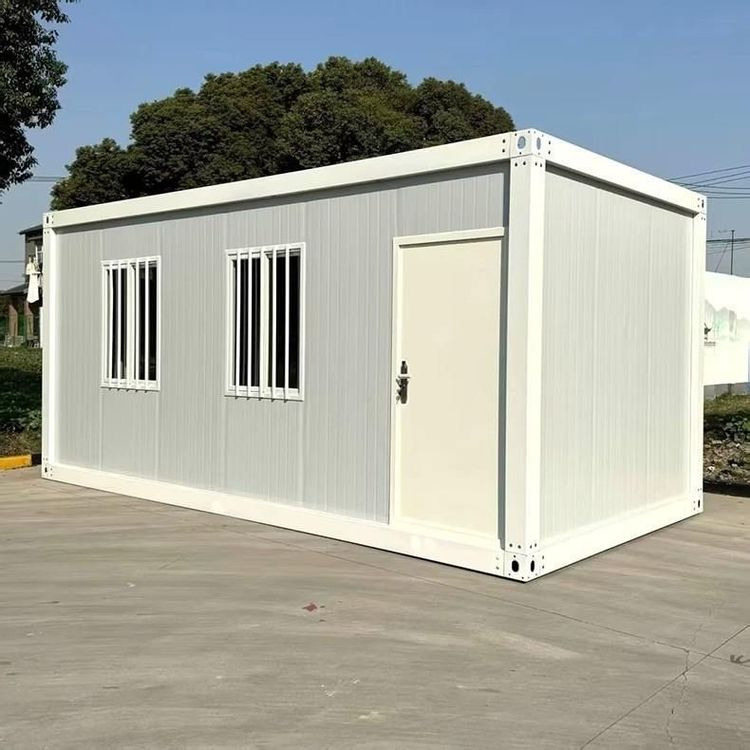
Ningbo Marine Container House
Ningbo marine container houses mainly involve the procurement, modification, and safe application of second-hand containers, with core information summarized in three aspects: procurement channels, modification purposes, and fire safety.

I. Procurement Channels and Price Ranges
The supply of second-hand marine containers in the Ningbo area is abundant, with prices varying based on model, condition, and supplier. For example, Shanghai Liangna Logistics Equipment Co., Ltd. offers a 40HC second-hand container for approximately 23,000 yuan, while Tianjin Huaqi International Freight Forwarding Co., Ltd. provides a 20-foot second-hand container for as low as 4,900 yuan. Local Ningbo enterprises such as Beilun Jincheng Container Maintenance Service Co., Ltd. also offer a variety of second-hand containers, with price ranges covering from 6,800 yuan to 38,000 yuan (for special types like refrigerated containers). When procuring, it is essential to pay attention to supplier qualifications, prioritizing companies that offer services such as a '7-day replacement guarantee' and '24-hour shipping,' and confirming that the containers come with international maritime transport certificates to ensure compliance.
II. Modification Purposes and Functional Expansion
Second-hand containers can be modified for diverse purposes, with common directions including:
- Temporary Residence and Office Use: Container houses are widely used in construction site dormitories, field operation housing, and temporary tourist accommodation due to their eco-friendliness, energy efficiency, flexible assembly, and convenient transportation. For example, a 40GP second-hand container provided by Shenzhen Zhuohan Container Service Co., Ltd., with an internal volume of 67.7 cubic meters and a load capacity of 30,480 KG, can be modified to meet residential or office needs.
- Specialized Function Customization: Some companies offer specialized modification services for refrigerated containers and garment containers, catering to scenarios such as pharmaceutical cold chains and apparel warehousing.
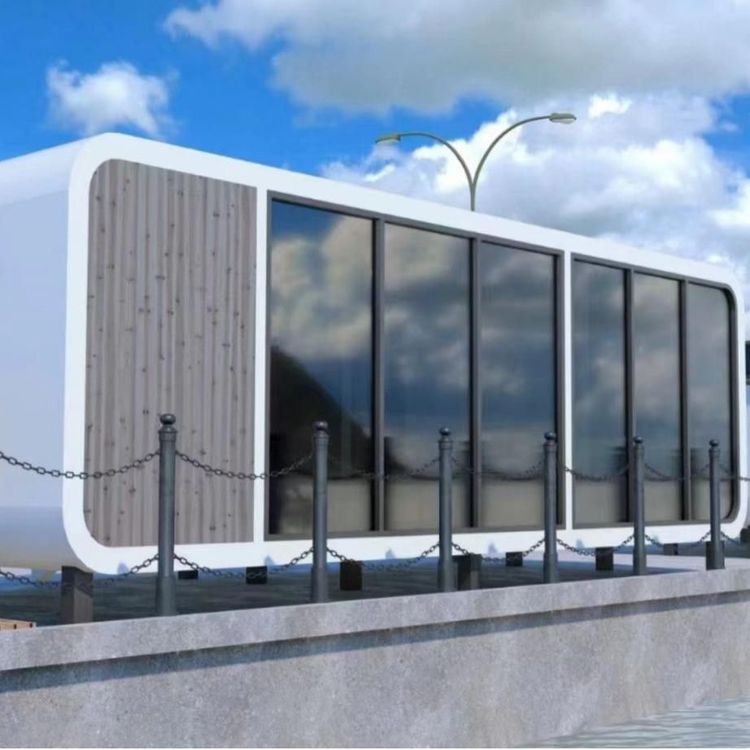
- Mobile Housing Innovation: Second-hand containers can also be transformed into creative spaces like mobile houses and cafes, but structural safety and fire codes must be considered.
III. Fire Safety and Compliance Requirements
Although container houses offer convenience, they pose fire hazards and must strictly adhere to safety standards:
- Material Selection: Prioritize the use of Class A fire-resistant materials such as rock wool boards and fireproof cotton for filling, avoiding flammable materials like polystyrene and polyurethane foam.
- Electrical Safety: Electrical wires and cables must be protected with sleeves, and sockets and switch boxes should be metal-galvanized and surface-mounted, equipped with simple fire extinguishing equipment.
- Spacing Requirements: Container houses should maintain a minimum safety distance of 6 meters between them to prevent the spread of fire.
- Heat Source Management: Heat sources and open flames must be kept away from containers, and open-flame operations should maintain a safe distance.
Summary: The industrial chain of Ningbo marine container houses covers the entire process from procurement and modification to safe application. Users should select compliant suppliers based on their needs, prioritize material and electrical safety, and adhere to fire codes to ensure the safety and functionality of temporary residences.