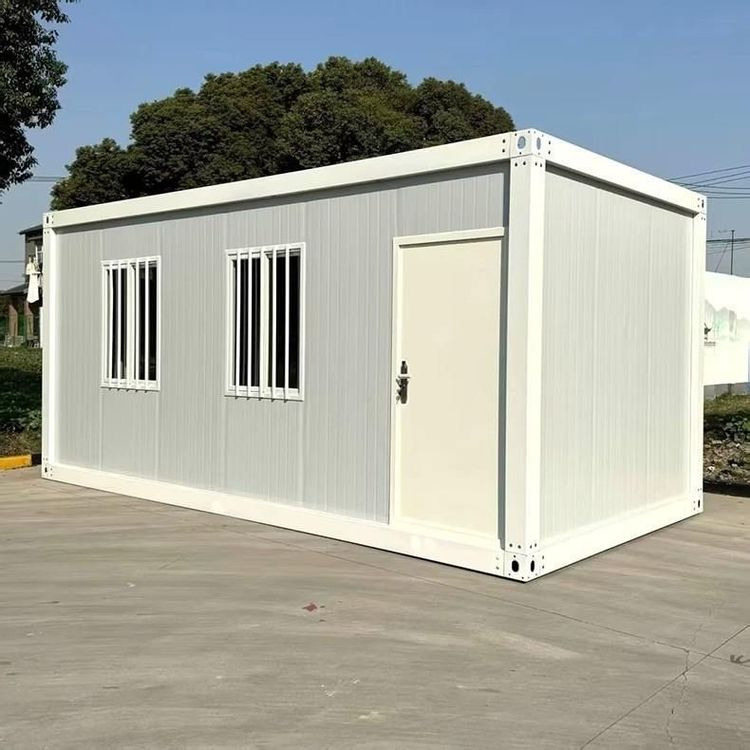
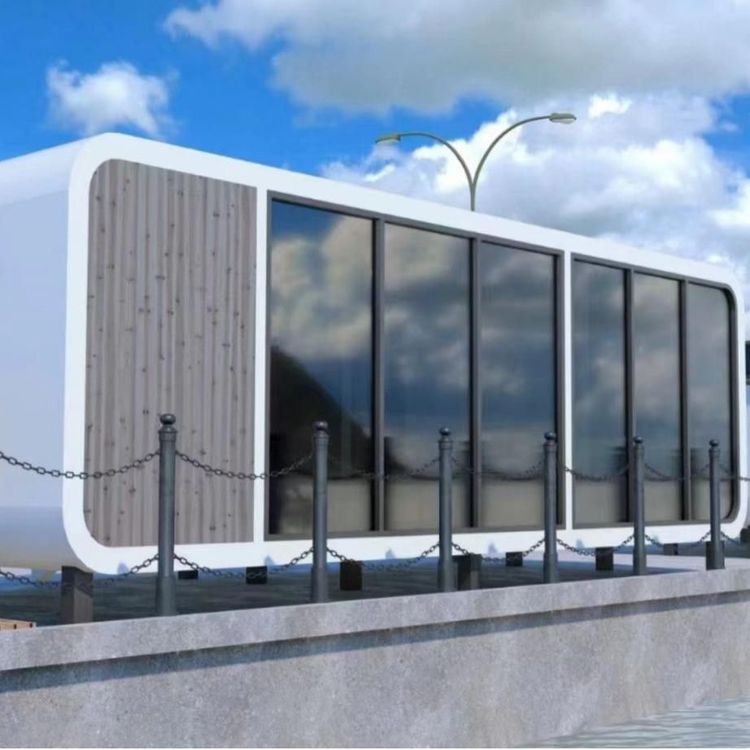
Ningbo Biodegradable Mobile Toilet
The Ningbo biodegradable mobile toilet is a solution that utilizes specific microbial agents to treat waste, achieving environmental protection, efficiency, and convenience in mobile toilet facilities.

I. Treatment Technology Principles
The core technology of the Ningbo biodegradable mobile toilet involves adding specific microbial agents to the waste storage tank. These microorganisms use organic matter as a nutrient source and decompose waste into carbon dioxide, water, and a small amount of inorganic salts through metabolic activities. Key control factors include:
- Maintenance of microbial agent activity: Microbial agents need to be regularly supplemented or activated to ensure their continuous decomposition capabilities.
- Regulation of environmental conditions: The tank must maintain an appropriate temperature (usually 20-40°C) and pH level (pH 6-8) to optimize microbial activity.
- Oxygen supply: For aerobic microbial agents, necessary oxygen must be provided through a ventilation system to promote decomposition efficiency.
II. Technological Advantages
- Reduction in waste volume and odor: Microbial decomposition can significantly reduce waste volume (by approximately 80%-90%) while suppressing odor production, improving the user experience.
- Solid-liquid separation design: Some models are equipped with solid-liquid separation devices that filter feces and send them to a fermentation tank for mixing with sawdust, bacteria, etc., for decomposition. The final products are discharged in the form of CO₂ and H₂O, with a degradation rate of over 90%.
- Environmental friendliness: No large amounts of clean water are required for flushing, reducing water consumption; the final products are harmless substances that can be directly used for composting or natural discharge.
III. Applicable Scenarios
- Long-term fixed construction sites: For construction projects with long durations and dense personnel, biodegradable toilets can reduce the cost of frequent waste removal, offering better economic efficiency.
- Sites without water and electricity access: In remote areas lacking external water and electricity connections (such as field explorations and temporary events), waterless flush biodegradable toilets become the only feasible solution.
- Areas with high environmental protection requirements: Suitable for ecologically sensitive areas or places requiring strict pollution control to avoid soil and water source pollution caused by traditional toilets.
IV. Maintenance Points
- Regular supplementation of microbial agents: Depending on usage frequency, microbial agents should be added once every 1-3 months to maintain decomposition efficiency.
- Environmental monitoring: Use sensors or manual inspections to ensure that the temperature, pH level, and oxygen levels inside the tank meet requirements.
- Maintenance of solid-liquid separation: When cleaning the separation device, wear protective gear to avoid direct contact with un-decomposed substances.
The Ningbo biodegradable mobile toilet achieves efficient waste treatment through microbial technology, combining environmental friendliness with practicality, and represents an important development direction for modern mobile sanitation facilities.