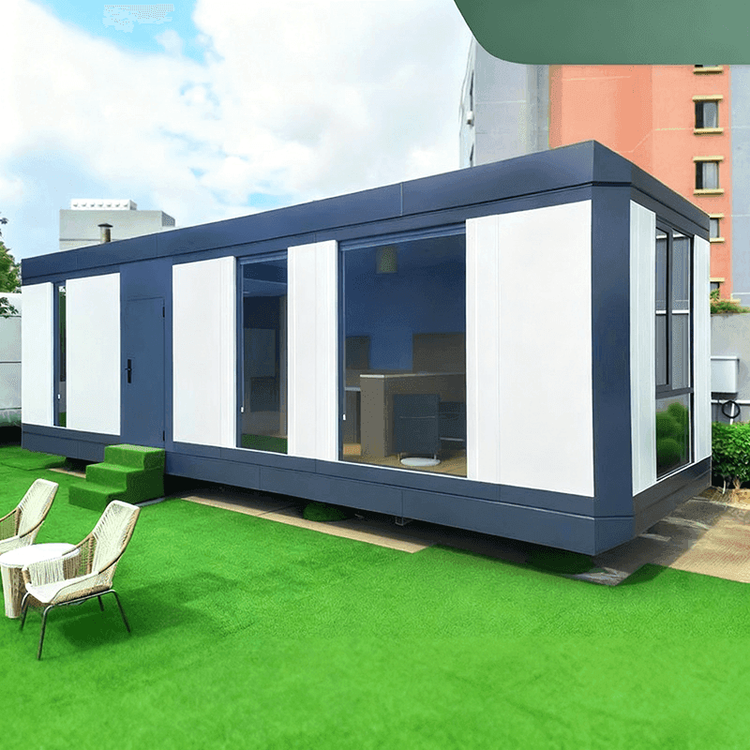
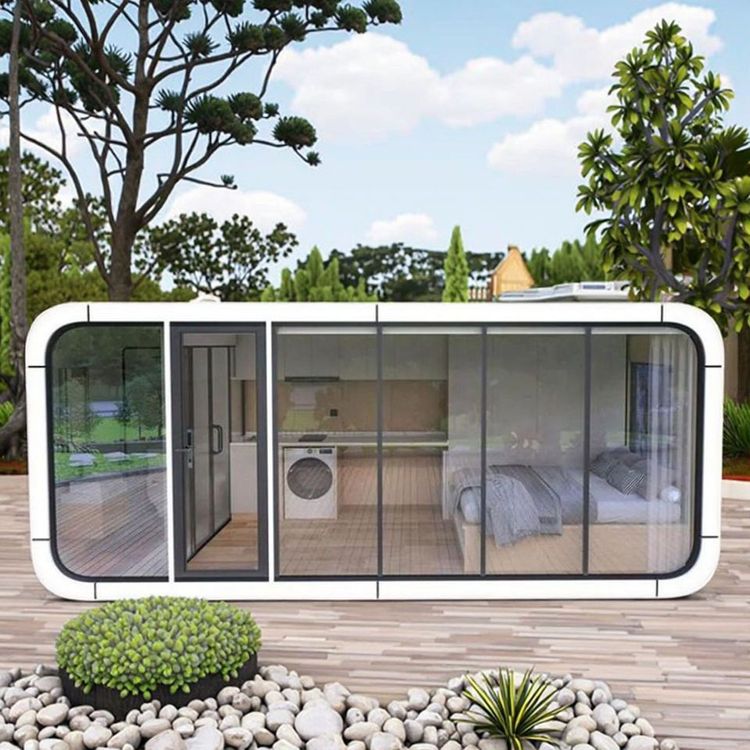
New Prefabricated Panel Houses for Building Construction
Since 2023, the construction of new prefabricated panel houses has been prohibited within urban construction land areas in China. These buildings are gradually being replaced by cast-in-place concrete and prefabricated buildings due to safety, durability, and functional deficiencies.

Policy Restrictions and Scope of Application
According to regulations issued by relevant Chinese authorities in 2023, the construction, renovation, and expansion of buildings such as prefabricated panel houses that do not comply with current standards are prohibited within urban construction land areas. This policy primarily targets urban regions, aiming to enhance building safety standards and living quality. For rural self-built houses or areas outside urban construction land, local specific regulations should be followed, but the overall trend is to phase out prefabricated panel houses.
Core Deficiencies of Prefabricated Panel Houses
Weak Earthquake Resistance
Prefabricated panel houses use a structure composed of prefabricated concrete panels joined together, with low joint connection strength. During earthquakes, they are prone to wall cracking or even collapse due to panel displacement. Current seismic design codes require buildings to have the ability to remain intact under minor earthquakes, be repairable under moderate earthquakes, and not collapse under major earthquakes, a standard that prefabricated panel houses struggle to meet.Poor Sound and Thermal Insulation
The thickness of prefabricated panels is limited (usually 10-15 cm), and there are gaps between panels, resulting in insufficient sound insulation and significant noise interference from neighbors. The lack or weakness of thermal insulation layers leads to high indoor temperatures in summer and rapid heat loss in winter, necessitating additional reliance on air conditioning or heating, thereby increasing energy consumption.Short Service Life
The design life of prefabricated panel houses is generally 30-50 years or 30 to 40 years, significantly shorter than that of cast-in-place concrete structures (usually over 50 years). After long-term use, prefabricated panels are prone to a decrease in load-bearing capacity due to steel bar corrosion and concrete carbonation, posing safety risks.
Advantages of Alternative Technologies
Cast-in-Place Concrete Buildings
Formed by on-site pouring into a monolithic structure without joints, they exhibit strong earthquake resistance and can be flexibly designed in terms of spatial layout according to needs. With a service life of over 50 years, they are currently the mainstream building form.Prefabricated Buildings
Utilizing factory-prefabricated components (such as wall panels and floor slabs) assembled on-site, they combine industrial production efficiency with overall structural safety. Their sound and thermal insulation performance is superior to that of traditional prefabricated panel houses, and they feature short construction periods and high environmental friendliness, aligning with the trend of green building development.
Conclusion
Prefabricated panel houses no longer meet the requirements of modern urban construction due to their outdated technology and safety hazards. If new houses need to be built, it is recommended to prioritize cast-in-place concrete or prefabricated buildings to ensure safety, durability, and living comfort.