Back to blog
Article
New Energy Mobile Toilet
Admin September 21, 2026
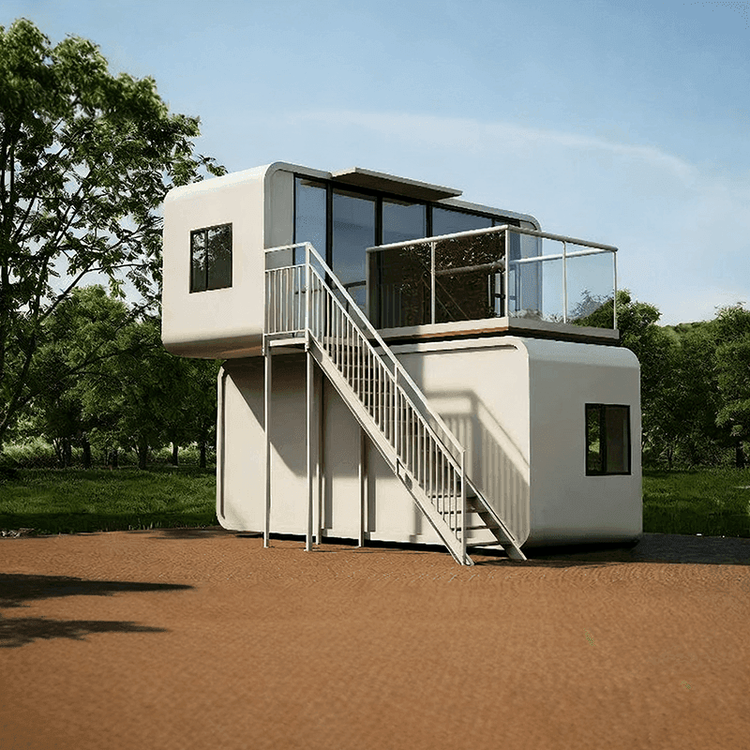
New energy mobile public toilets are public sanitation facilities that combine environmental protection concepts with modern technology. They feature energy conservation, environmental friendliness, mobility, intelligent management, and modular design, making them suitable for scenic spots, construction sites, urban public areas, and other scenarios.

Core Features
- Energy Conservation and Environmental Protection:
- Energy System: Primarily powered by solar photovoltaic panels, paired with energy storage batteries for off-grid operation. Some high-end models incorporate wind power generation complementary systems to ensure normal power supply during rainy weather.
- Sewage Treatment: Utilizes biodegradation technology to reduce sewage discharge by decomposing waste through microorganisms. The vacuum collection system achieves an 80% water-saving rate, with a single flush volume of ≤0.5L, making it suitable for water-scarce regions.
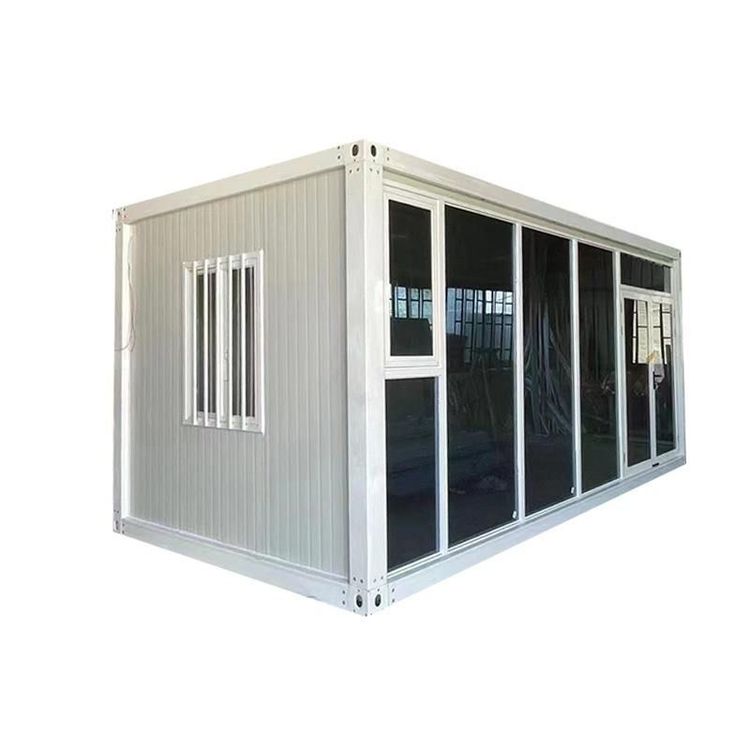
- Mobility: The overall structure is made of lightweight and durable materials, with controlled height and width, and is equipped with complete mobility devices for repeated transportation to different scenarios.
- Intelligent Management: Remotely monitors toilet occupancy status, water and electricity consumption, and other data through the Internet of Things. Equipped with automatic disinfection devices (ultraviolet + spray disinfection), which are activated 3-5 times daily at scheduled intervals.
- Modular Design: Supports functional expansion, such as the Hefei Xinrongdong RD-045 model, which can be equipped with an additional third toilet to meet diverse needs.
Application Scenarios and Configuration Recommendations
- Tourist Attractions: Recommend luxury models (with air conditioning/nursing rooms) that can accommodate over 200 people per day.
- Construction Sites: Recommend simple steel frame structures with a focus on dustproof sealing.
- Urban Temporary Locations: Recommend quickly assemblable models that require municipal water and electricity connections.
Purchase Considerations
- Material Selection:
- Coastal areas should prioritize metal carved panels with a wind pressure resistance of ≥1.5kN/m².
- Northern regions in winter should use composite insulation panels with a thermal conductivity of ≤0.024W/(m·K).
- Manufacturer References:
- Sichuan Zhongshunjiaye supports 8cm thickened panels and offers a 1-year warranty, suitable for high-altitude regions like Sichuan-Tibet.
- Chengdu Liya Times' disassemblable and box-type design allows for 48-hour rapid deployment, with a light steel frame strength meeting Q235 standards.
- Chongqing Jinmuhe is equipped with a vacuum self-priming sewage system, featuring outstanding water-saving performance.
- Acceptance Criteria: Check for GB/T 18092-2008 certification and conduct on-site tests for non-slip floor tiles (friction coefficient ≥0.6) and emergency call response times (≤30 seconds).
Industry Trends: The 2023 new national standard requires a 15% reduction in carbon emissions for mobile public toilets, with modular design becoming the mainstream. It is recommended to prioritize products with carbon footprint certification.
Related