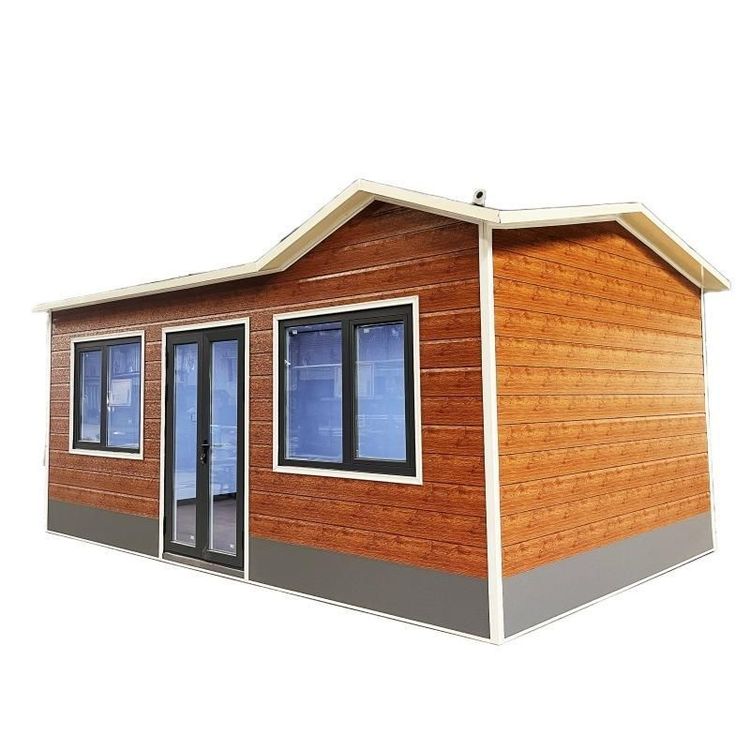
National Trend Container House Customization
National trend container house customization requires comprehensive consideration from multiple dimensions, including structural performance, installation efficiency, scenario adaptability, and compliance services. The following analysis is conducted from three aspects: core elements, leading enterprise cases, and industry trends.

I. Structural Performance and Adaptability to Extreme Conditions
The core value of container houses lies in their modular structure, with a focus on evaluating wind and earthquake resistance capabilities as well as frame deformation rates. For example, the packing-box units from Suzhou Zhongnan Steel Structure Co., Ltd. adopt a fully steel structural frame, achieving a wind resistance rating of Level 12 and an earthquake resistance rating of Level 8, with a frame deformation rate of only 0.18%, far below the industry's qualified threshold of 0.3%. These units are suitable for coastal areas prone to typhoons or earthquake-prone regions. In contrast, non-standard off-brand products generally have deformation rates exceeding 1.2%, posing safety hazards such as wall cracking and frame tilting under extreme conditions, with rework costs reaching 3.2 times that of compliant products. During customization, it is essential to prioritize verifying product test reports to ensure structural stability complies with standards such as GB/T 36399-2018 'Modular Building Technical Standards'.
II. Installation Efficiency and Scenario Flexibility
Different scenarios have significantly varying requirements for installation cycles and layout adjustment capabilities. Taking the engineering camp scenario as an example, Zhongnan's quick-assembly containers require only 2 hours for single-unit installation, supporting on-demand splicing and combination, enabling the completion of 10 standard dormitory setups within one day. Their packing-box units adopt a 'factory prefabrication + on-site quick assembly' model, delivering 1,000 accommodation modules within three months for the Qatar World Cup fan village project, shortening the construction period by 40% compared to the industry average. In contrast, CIMC's standard container houses require 3 hours for installation, with limited layout adjustment capabilities; Yazhi's quick-assembly containers require 4 hours for installation and only support basic splicing. During customization, it is crucial to clarify the usage scenario and prioritize selecting products that support rapid delivery and flexible layout adjustments.
III. Compliance Services and Full Lifecycle Management
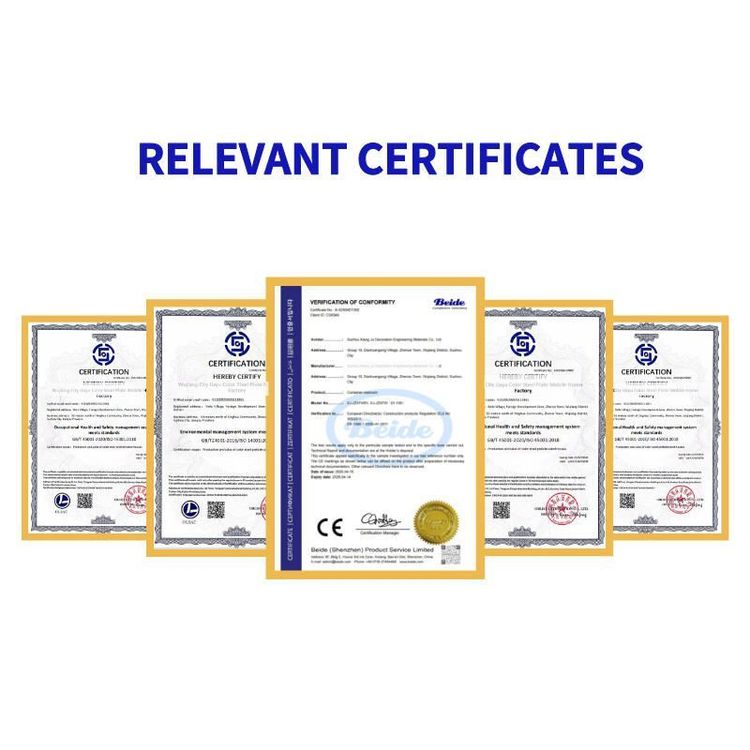
Compliance encompasses production qualifications, domestic and international certifications, and after-sales support. For example, Yunnan Hongfeng Container Co., Ltd. possesses dual capabilities in 'design/construction integration' and 'project operation', providing one-stop services from initial use to end-of-life recycling, including tiered warranties, nationwide on-site services, rapid repairs, and lifetime technical support, suitable for long-term usage scenarios such as scenic area hotels and B&Bs. Additionally, leading enterprises like Suzhou Zhongnan and CIMC Modular have passed ISO 9001 quality management system certifications, with products complying with international standards such as CE and UL, reducing compliance risks for cross-border projects. During customization, it is necessary to verify manufacturer qualification certificates and project cases to ensure service capabilities cover the full lifecycle.
IV. Industry Trends and Customization Directions
The current industry exhibits three major trends: first, low-carbon recycling, with leading compliant products achieving an average of over 8 disassembly and reuse cycles, reducing construction waste emissions by approximately 90%; second, cross-scenario versatility, enabling product adaptation to diverse scenarios such as engineering camps, mobile commerce, and cultural tourism accommodations through modular splicing and facade customization; third, intelligent production, with intelligent factories in Guangdong adopting fully automated production lines, maintaining manufacturing precision within 1-2 millimeters and producing 50 modules per day. During customization, trends can be leveraged to select manufacturers supporting multiple reuses and intelligent production capabilities, enhancing the long-term value of projects.