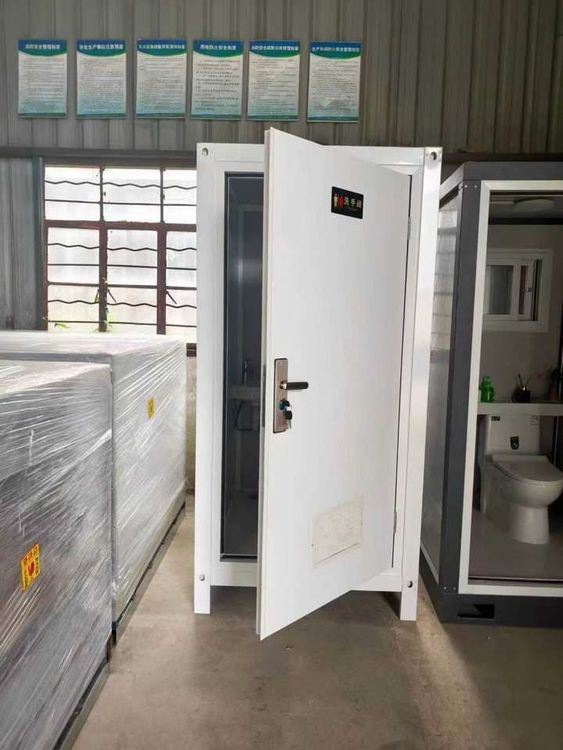
Nanxun Mobile Toilet Installation
The installation process of mobile toilets in Nanxun typically includes three core stages: positioning, assembly, and connection. The specific steps vary depending on the toilet type (split-type, integrated, and simple-type), with installation times ranging from 2 hours to several hours. It is necessary to follow industry standards and consider supporting conditions such as foundations and sewage disposal.
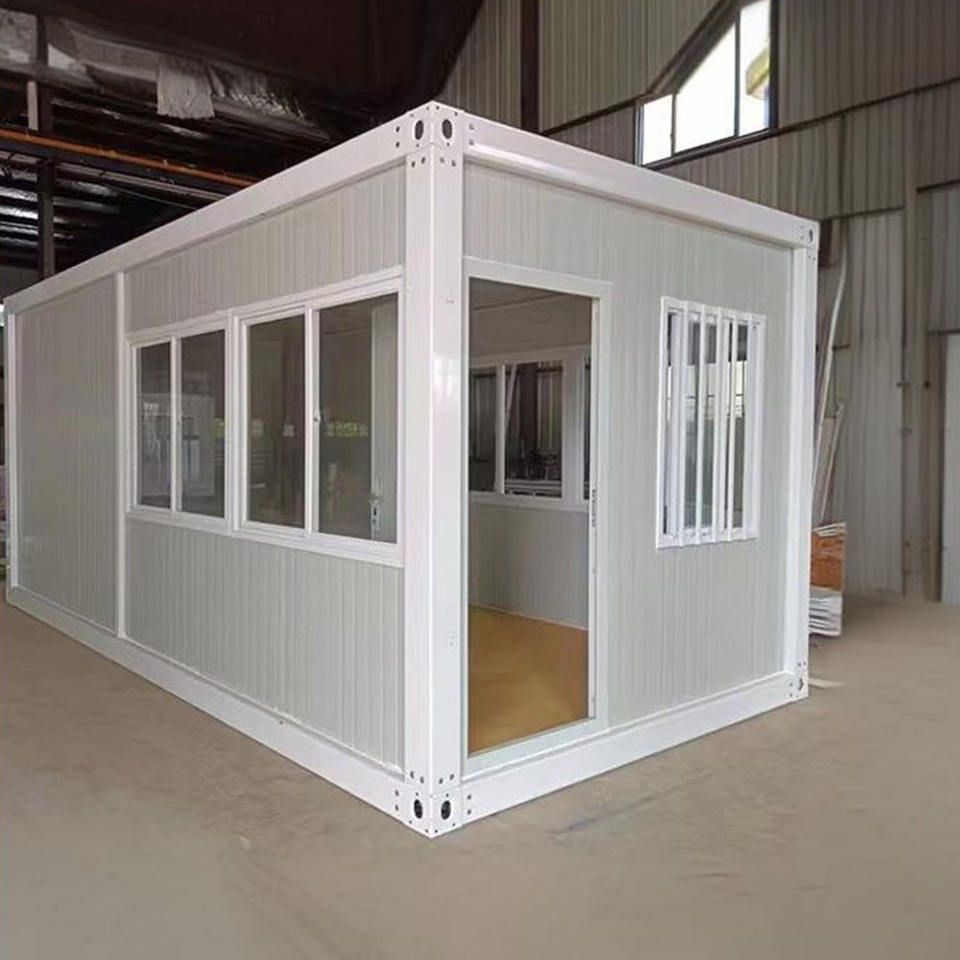
I. Installation Process for Split-Type Mobile Toilets
- Positioning the Chassis and Frame: Use a forklift or manual labor to place the prefabricated steel structure chassis smoothly at the predetermined location. Adjust it to a level state using a spirit level to ensure the stability of subsequent structures.
- Installing Walls and Roof Panels: Insert the sandwich panel wall panels into the chassis slots and secure them with bolts or clips. Then, install the roof panels and seal the joints (e.g., with silicone sealant) to prevent rainwater leakage.
- Connecting Internal Facilities: Install toilets, flushing systems, sinks (optional), lighting, and ventilation equipment. The water and electricity pipelines are designed with modular quick connectors to shorten connection times. If connecting to the municipal sewage network, reserve pipeline interfaces and test their tightness.
- Function Inspection and Debugging: Conduct flushing tests (to ensure smooth water flow), electrical circuit checks (for short circuits or leakage), and tightness checks (e.g., door seams and sewage outlets) to ensure all functions operate normally.
II. Installation Characteristics of Integrated Mobile Toilets
If the toilet is a box-type unit that has been fully decorated and equipped with facilities in the factory, the on-site installation process is significantly simplified:
- Lifting and Positioning: Use a crane to lift the entire toilet to the designated location and secure it after adjusting it to a level state.
- Connecting Water, Electricity, and Sewage: Simply connect to the power supply, water source, and sewage pipeline (or a dedicated septic tank). The installation time can be shortened to 2-4 hours.
III. Installation Examples of Special Types
The installation steps for simple-type mobile toilets with sit-down toilets focus more on details:
- Install side panels and door panels, and fasten the clips to prevent accidental opening.
- Secure accessories such as tissue boxes and urinals.
- Check that all clips are fastened to ensure structural stability.
IV. Key Factors Affecting Installation Convenience
- Toilet Type: Integrated box-type toilets have the fastest installation, while foldable or telescopic toilets offer higher efficiency but slightly weaker structural strength.
- Foundation Treatment: If the ground is uneven or the soil is soft, it is necessary to harden it in advance (e.g., by pouring concrete) or lay steel plates, increasing the preparation time.
- Supporting Facilities: Connecting to the municipal sewage network requires reserving interfaces and testing their tightness. Waterless or biodegradable toilets can omit complex sewage connections, shortening the installation cycle.
V. Industry Standards and Maintenance Requirements
Installation must comply with standards such as the "Hygiene Specifications for Mobile Toilets" (GB/T 21239-2023) to ensure structural safety and hygiene compliance. Regularly inspect fastening bolts and seals, and promptly replace aging components to extend the service life.