
Nantong Waterless Mobile Toilet
The Nantong waterless mobile toilet is an independent sanitation facility that does not require an external water source or fixed sewage discharge pipes. It manages waste through on-site treatment or sealed temporary storage technologies, making it suitable for temporary scenarios lacking water supply and drainage conditions.
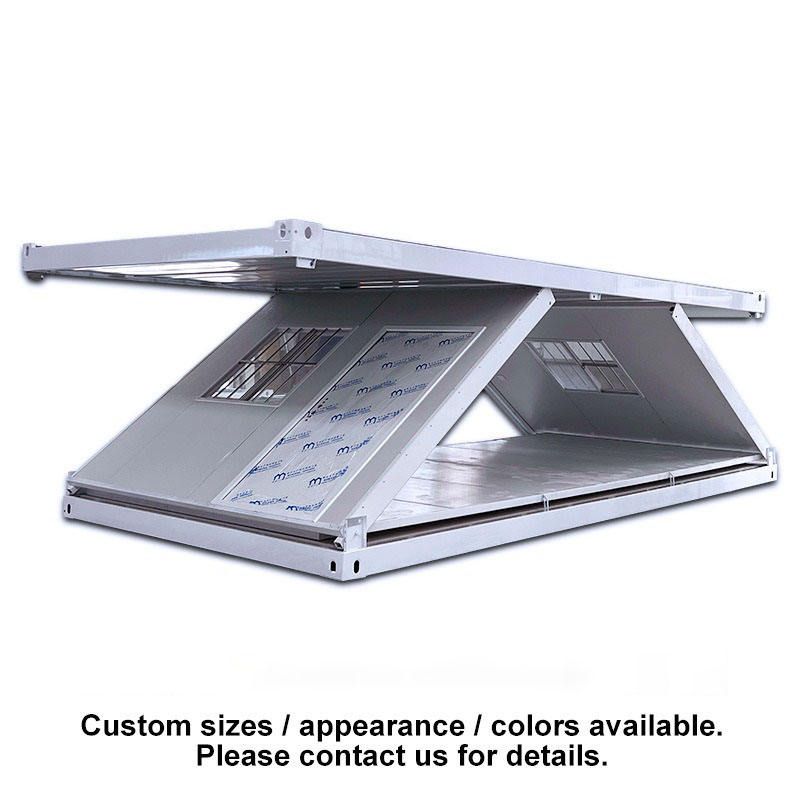
Core Operating Principles and Technology Types
The core logic of Nantong waterless mobile toilets falls into two categories:
- On-site Treatment: Chemical or biological methods are used to decompose waste. For example, biodegradable toilets utilize microbial communities to convert waste into water, carbon dioxide, and humus, with an environmentally friendly treatment process and naturally absorbable products; dry distillation carbonization toilets convert waste into biochar through high-temperature carbonization, achieving a volume reduction rate of over 90%, though with higher equipment costs.
- Sealed Temporary Storage: Physical isolation techniques are employed to prevent odor diffusion. Packaging toilets automatically package waste using biodegradable film through mechanical devices, achieving a “one-use, one-package” approach; foam-sealing toilets form a sealing layer at the toilet bowl opening using foaming liquid while independently collecting liquid waste to reduce odor backflow.
Applicable Scenarios and Core Advantages
This facility primarily serves areas without fixed water supply and drainage conditions, such as river regulation sites, outdoor music festival venues, and temporary construction sites. Its advantages are reflected in three aspects:
- Easy Deployment: Installation requires only a flat surface, with no need for civil engineering work, leaving no trace after evacuation;
- Hygiene Isolation: The sealed design effectively blocks the spread of odors and pathogens, with significantly better sanitary conditions than traditional dry toilets;
- Flexible Adaptation: Modular design supports rapid transportation and hoisting, with replaceable internal treatment units to accommodate different usage cycle requirements.
Limitations and Solutions
Limited by volume and energy consumption, the treatment units of waterless mobile toilets have a finite capacity and require regular maintenance and waste removal. For example, the sealing bags of packaging toilets need to be replaced every 50-100 uses, and the microbial communities in biodegradable toilets need to be replenished every 3-6 months. Long-term costs are concentrated on consumables (such as foaming liquid and microbial strains) and transportation services. However, the leasing model can reduce initial investment, with suppliers assuming responsibility for equipment maintenance, making it suitable for short-term, event-driven needs.
Supply and Purchase Considerations
Cangzhou Hengtai Sanitation Equipment Co., Ltd. provides waterless mobile toilets in the Nantong area, with mainstream models such as ht-055 (basic model) and htcs-258 (premium model), priced from 7,500 yuan. Materials include color steel plates (lightweight and durable) and metal embossed plates (heat-insulating and rust-resistant), with an applicable temperature range of -30°C to 40°C, meeting the needs of both northern cold and southern hot environments. When purchasing, it is necessary to comprehensively evaluate the model and material based on the number of users, usage cycle, and budget.



