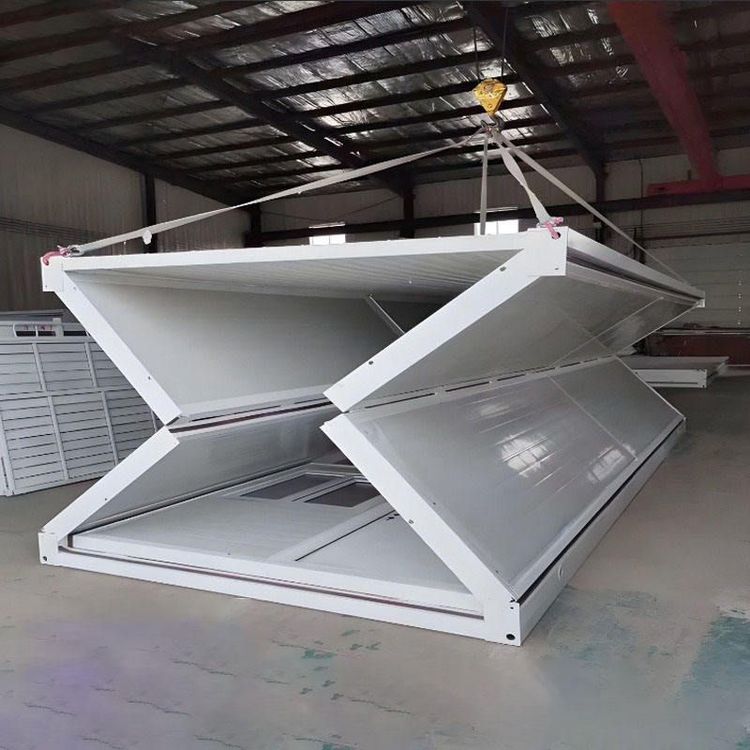
Nantong School Mobile Toilet
The rental of mobile toilets for schools in Nantong requires comprehensive consideration from multiple aspects, including demand confirmation, supplier selection, contract review, and equipment management, combined with optimizing solutions based on technical characteristics and site adaptability.

I. Key Steps in the Rental Process
Demand Confirmation
Schools need to clarify specific parameters of the usage scenario, including the estimated number of users, duration, site conditions (such as ground flatness, space size), and special requirements (such as barrier-free facilities and child-specific designs). For example, open-air event venues require standalone units equipped with self-contained power generation and water storage systems; construction sites need row-style layouts connected to temporary sewage networks.Supplier Selection
Evaluate service providers through public business information channels regarding their equipment types, maintenance capabilities, and service scope. Focus on assessing the newness and cleanliness of the equipment, fault response mechanisms (such as 24-hour repair commitments), completeness of contract terms (such as responsibility division and cleaning arrangements), and rental cost-effectiveness. Avoid selecting solely based on unit price; instead, weigh service quality comprehensively.Contract Review
A standardized contract should clearly specify the specifications and model of the rented item, rental start and end dates, rental payment methods, division of responsibilities between both parties (such as definitions and compensation standards for equipment damage or loss), daily maintenance standards (such as cleaning frequency and emergency response procedures), and conditions for renewal or termination. For example, the contract should stipulate the time intervals for the service provider to regularly clean and empty the sewage storage system to prevent service interruptions due to inadequate maintenance.Equipment Delivery and Management
The service provider is responsible for transportation, installation, and commissioning to ensure stable operation of the equipment; the school should undertake on-site coordination responsibilities, including guiding teachers and students in proper usage, supervising cleanliness, and communicating with the service provider to arrange regular supplies (such as toilet paper and hand soap) and sewage emptying services. For example, during peak usage periods, the frequency of sewage removal should be increased to prevent overloading of the storage system.
II. Technical Characteristics and Site Adaptability
Technical Implementation
The main frame of the mobile toilet is made of high-strength composite materials, supporting rapid assembly and disassembly; the sewage storage system transforms waste through biological degradation or chemical treatment; the ventilation device uses negative pressure principles to maintain air circulation; the water supply and drainage module is equipped with water-saving flushing devices and leak-proof pipes to reduce water waste and environmental pollution.Site Adaptation Solutions
- Open-air event venues: Standalone design with integrated self-contained power generation and water storage systems, suitable for environments without municipal infrastructure;
- Construction sites: Row-style layout connected to temporary sewage networks to meet high-frequency usage demands;
- Long-term needs at fixed venues: Upgrade to reinforced units with air conditioning systems to enhance user comfort.
III. Operational Management Optimization
Service providers collect data on usage frequency, sewage storage status, and water and electricity consumption through remote monitoring equipment to dynamically adjust maintenance plans. For example, arrange sewage removal in advance based on real-time sewage levels to avoid overflow risks; optimize equipment energy consumption through water and electricity consumption analysis to reduce operating costs.