
Back to blog
Article
Arrangement of Mobile Toilet Rooms in Nantong
Admin October 08, 2026
Arranging indoor mobile toilets in Nantong requires comprehensive planning based on the scale of the event, its nature, participant needs, and site conditions. The specific steps are as follows:
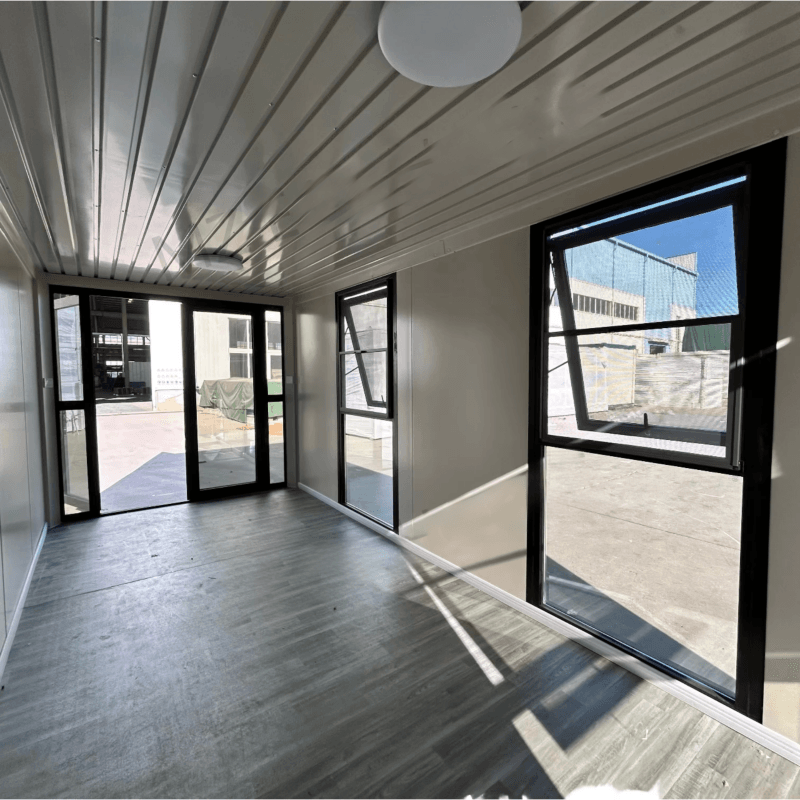
I. Clarify Core Requirements and Scene Characteristics
- Event Scale and Foot Traffic
Estimate the number of toilet stalls needed based on the event duration, peak-hour foot traffic, and gender ratio. For example, since women generally take longer to use the toilet, consider adding more female stalls or opting for gender-neutral units to avoid queues and congestion. - Event Nature and Participants
For high-end events, focus on the appearance, cleanliness, and odor control of the toilets, selecting models with a simple appearance and durable materials. If children, the elderly, or individuals with mobility issues are involved, equip the toilets with barrier-free facilities (such as handrails and low-level sinks) and non-slip floors. - Site Conditions
- Space Dimensions: Accurately measure the length, width, and height of the reserved area to ensure the toilet units can be smoothly installed, leaving at least 1 meter of passage space. Also, confirm the width of door frames and aisles (recommended ≥0.8 meters) for easy transportation into the site.
- Infrastructure Connection:
- Water Supply and Sewage: If the site has connectable water sources and sewage pipes, prioritize water-flush direct-discharge toilets. If there are no sewage disposal conditions, choose models with independent sewage tanks and plan a sewage extraction path (such as near the back door or service aisle).
- Ventilation and Exhaust: Since indoor environments are enclosed, select toilets equipped with powerful exhaust systems (such as dual-fan designs) or ensure they are placed near ventilation windows or exhaust vents. If necessary, install additional exhaust fans or air purification equipment.
- Floor Protection: Based on the weight of the toilets (e.g., a full sewage tank can weigh over 500 kg) and the floor material (e.g., marble requires scratch resistance, and wooden floors require moisture resistance), lay pressure-resistant pads or waterproof membranes to prevent damage.
II. Select Appropriate Mobile Toilet Types
- Simple Packaging Type
Suitable for backstage or emergency points that require high convenience and have low usage frequency. These toilets have a lightweight structure, require no water or electricity connections, and use biodegradable plastic bags to package waste. However, they have a small capacity (usually supporting only 50-100 uses) and weak odor control, making them unsuitable for events with high foot traffic. - Water-Flush Direct-Discharge Type
Similar to traditional fixed toilets, these require connection to water supply and sewage pipes. They offer timely flushing and a good hygiene experience, making them suitable for indoor venues with water and electricity facilities (such as shopping malls and exhibition centers). - Customized Type
For example, the scenic area mobile toilets provided by Cangzhou Hengtai Environmental Sanitation Equipment Co., Ltd. can be customized. They feature thermal insulation (suitable for temperatures ranging from -30°C to 40°C) and are made of materials such as color steel plates and metal carved plates. They are suitable for scenarios with high environmental adaptability requirements (such as warehouses without heating in winter).
III. Configure Functions and Details
- Infrastructure
Equip the toilets with lighting (recommended to use LED light strips), exhaust fans, sinks (optional sensor-type faucets), and other facilities based on event needs. Ensure that the connections for wires and water pipes are reasonable (such as concealed wiring to avoid tripping hazards). - Sewage Tank Management
If using sewage tanks, plan the frequency of sewage extraction (such as once every 200 uses) and the path in advance to avoid disrupting the event. Collaborate with professional cleaning companies to ensure timely cleanup.
Related



