
Nantong Intelligent Mobile Toilet Rental
Nantong offers intelligent mobile toilet rental services, provided by professional service providers covering the entire process from equipment supply, layout, to maintenance. The following provides an in-depth explanation from three dimensions: equipment composition, service process, and merchant selection.
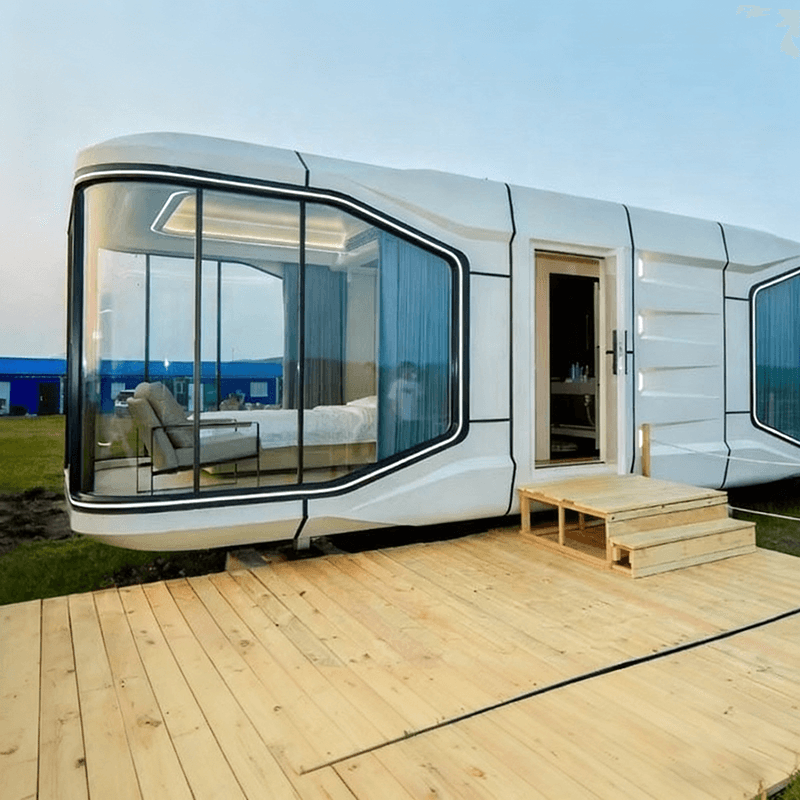
In terms of equipment composition, intelligent mobile toilets adopt a modular design, with the main frame primarily made of high-strength composite materials, featuring rapid assembly and disassembly for easy transportation and on-site assembly. The sewage storage system achieves harmless conversion of waste through biodegradation or chemical treatment technologies, reducing environmental pollution; the ventilation system employs negative pressure principles combined with efficient air filtration systems to ensure fresh internal air; the water supply and drainage module is equipped with water-saving flushing devices (using only one-fourth of the water per flush compared to traditional models) and leak-proof pipes, reducing water consumption. After technological upgrades, some equipment integrates intelligent control systems, enabling functions such as automatic disinfection and fault warnings, and reducing reliance on external power sources through solar power supply systems, enhancing energy efficiency.
In terms of the service process, service providers adhere to standardized operating procedures:
- Demand assessment: Determine equipment specifications and quantity configurations based on parameters such as the number of users, site conditions, and usage duration. For example, large-scale events may require the configuration of barrier-free facilities or high-capacity sewage storage systems.
- Site survey: Inspect ground flatness, confirm water and electricity access points, and plan sewage discharge paths to ensure equipment installation complies with technical specifications.
- Transportation and installation: Adopt modular loading solutions and select transportation vehicles based on road conditions; during the installation phase, complete base fixation, pipe connections, water and electricity access, and other steps to ensure equipment stability.
- Usage and maintenance: Provide regular cleaning, consumable replenishment, and fault repair services. Some merchants use remote monitoring systems to monitor equipment operation status in real-time, shortening response times.
When selecting a merchant, it is essential to focus on the following aspects:
- Demand matching: Clearly define usage scenarios (such as outdoor events, temporary construction sites) and special requirements (such as water-saving designs, child-specific facilities), prioritizing merchants that can offer customized solutions.
- Equipment technical parameters: Verify toilet construction materials, internal configurations (such as lighting, handrails), and environmental protection indicators to ensure compliance with national standards.
- Logistics and installation capabilities: Evaluate the merchant's transportation coordination efficiency and the professionalism of installation plans to avoid equipment damage or usage delays due to improper operations.
- Maintenance response mechanism: Prioritize merchants that offer 24-hour fault reporting and timely consumable replenishment services to reduce usage risks.
- Cost and contract: Clarify billing methods (such as daily/per-use charges), deposit terms, and responsibility divisions to avoid hidden fee disputes.



