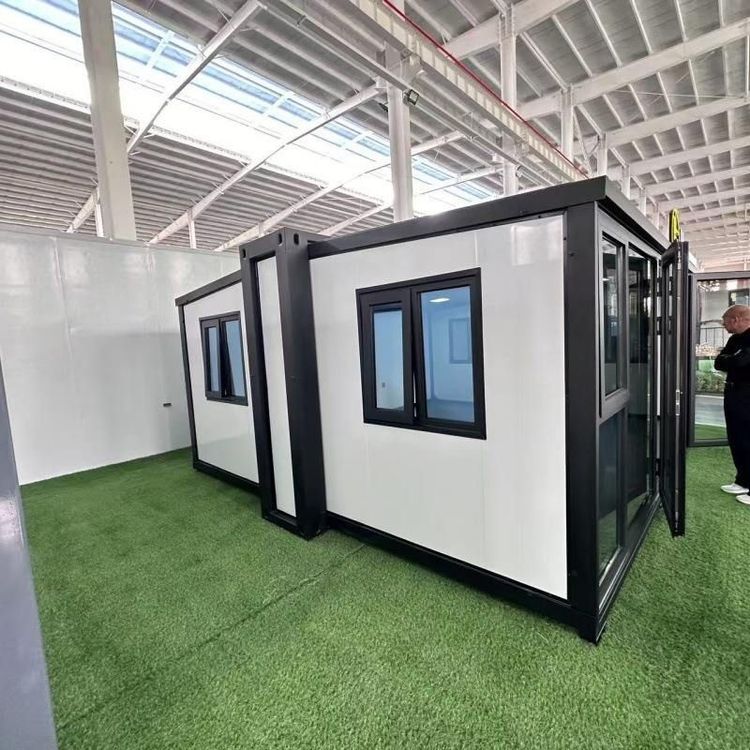
Nano-Material Mobile Toilet
Nano-material mobile toilets are modern sanitation facilities that utilize nanotechnology to enhance performance and functionality, primarily categorized into anti-corrosion, antibacterial, and waterless treatment types, offering advantages such as environmental friendliness, efficiency, and hygiene.
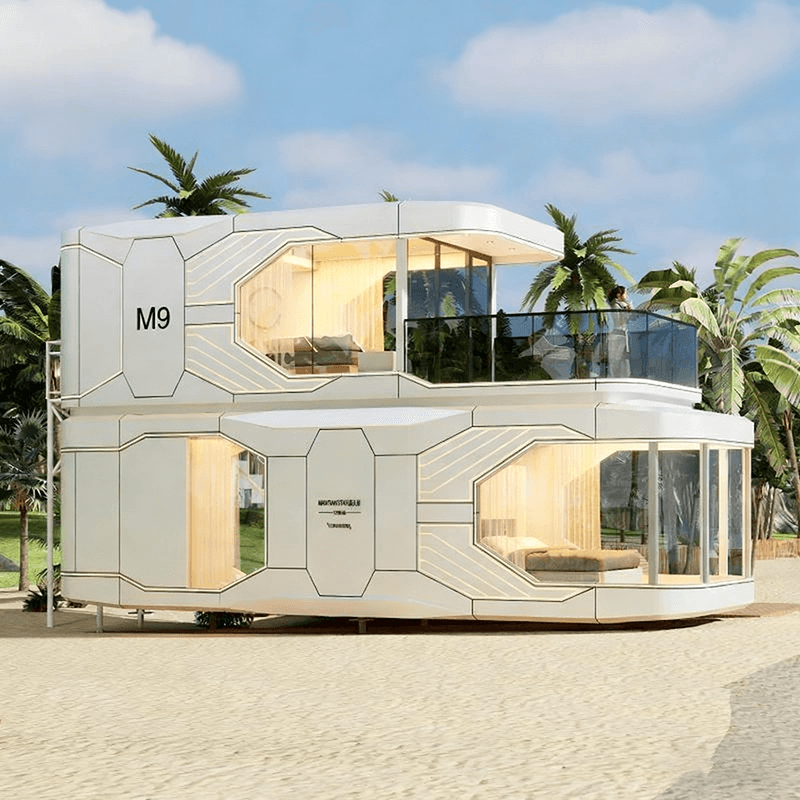
1. Nano Anti-Corrosion Luxury Mobile Toilet
These products feature nano anti-corrosion materials as their core, enhancing durability through surface coatings or structural optimization. For example, models provided by manufacturers such as Hebei Chuangjie Environmental Sanitation Equipment Co., Ltd. and Hangzhou Chensheng Taobao Building Materials Store vary in price based on purchase quantity (e.g., ¥2000.00 per unit for single purchases, ¥1000.00 per unit for orders of 10 or more). Their anti-corrosion properties extend the equipment's lifespan in humid or corrosive environments, making them suitable for temporary or long-term use in construction sites, scenic spots, and other settings.
2. Antibacterial High-Tech Mobile Toilet
Represented by a Beijing brand, these toilets feature nano-grade titanium dioxide-coated interiors that trigger photocatalytic reactions under light, decomposing organic matter such as bacteria and viruses with an antibacterial rate of up to 99.6%. They are also equipped with intelligent environmental control systems that automatically adjust temperature and humidity, ventilate, and employ modular water-saving designs to reduce water consumption. Their technological edge lies in achieving active antibacterial effects through nano-materials, lowering the risk of cross-infection, and making them ideal for hospitals, large events, and other settings with high hygiene requirements.
3. Waterless Treatment Nano Toilet (Nano Membrane Toilet)
Although not a traditional mobile toilet, it represents an innovative application of nanotechnology in sanitation. This device requires no flushing or external plumbing, breaking down waste through a mechanical rotating mechanism and separating urine from solid waste using a nano-fiber membrane. The purified urine can be used for irrigation or washing, while the solids are converted into fuel or fertilizer. For instance, field tests in Ghana have demonstrated its effectiveness in addressing sanitation issues in water-scarce regions and enabling resource recycling. This technology breaks free from traditional toilets' reliance on water resources, providing a sustainable solution for remote areas or disaster relief.
Summary: Nano-material mobile toilets achieve breakthroughs in anti-corrosion, antibacterial, water-saving, and waterless treatment aspects through the integration of material science and engineering technology. They can be selected based on usage scenarios (e.g., temporary events, long-term public facilities, water-scarce regions) to promote the upgrade of sanitation facilities towards environmental friendliness and efficiency.