Nanning Mobile Toilets for Events
Nanning mobile toilets for events offer rental services, covering a variety of equipment types, possessing technological advantages, and having a wide range of application scenarios. In the future, they will develop towards material upgrades and functional integration.

Nanning mobile toilets for events mainly provide rental services, suitable for short-term event support and emergency supplementary needs. Short-term events include temporary densely populated scenarios such as cultural gatherings, sports events, and festivals, where the number of toilet stalls needs to be configured according to the event scale. Emergency supplementary scenarios cover temporary replacement of fixed public toilets during municipal construction or service provision during the transition period of facility renovation in old areas. There are various types of rental equipment. Traditional packaged mobile toilets do not require external water and electricity connections and can be deployed flexibly, but they involve a large amount of cleaning and maintenance work. Water-flush mobile toilets offer an experience close to that of fixed toilets and rely on stable water supply and drainage conditions. Vacuum environmental protection toilets save water and use air pressure differences to transport waste, but they have high requirements for equipment technology.
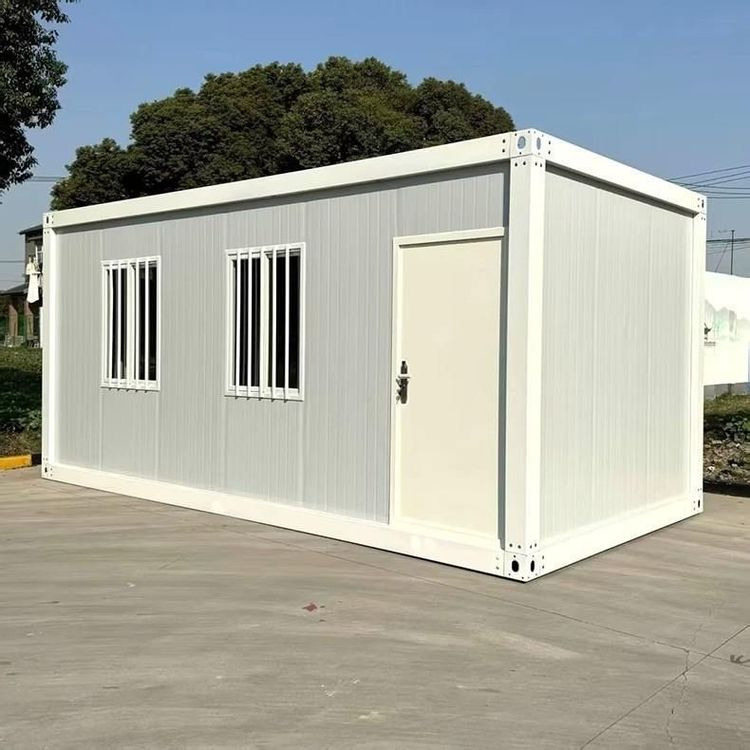
In terms of technological features, the structural materials use high-quality aluminum alloy profile support columns, which are highly corrosion-resistant, aesthetically pleasing, and durable. Wall materials include aluminum-plastic panels, metal carved panels, and fluorocarbon-sprayed steel plates, which have sound insulation, heat insulation, flame retardancy, and aging resistance properties. The roof adopts high-quality asphalt shingles with insulation, heat insulation, and sound insulation layer designs. The functional system integrates basic sanitation functions such as flushing, sewage discharge, and ventilation. Some equipment supports self-sufficiency in water and electricity or external connections. The structure adopts modular assembly or integral hoisting forms, taking into account both transportation convenience and use stability. In terms of environmental compatibility, they have the ability for harmless treatment of excreta, odor control technology, and visually coordinated designs. Some equipment integrates ecological functions such as solar power supply, rainwater collection and utilization, and biodegradation treatment.
The service process covers demand assessment, on-site arrangement, and operation and maintenance. Demand assessment requires comprehensive consideration of factors such as the duration of the event, the gender ratio of personnel, the terrain of the site, and the accessibility of water and electricity sources. On-site arrangement includes transportation route planning, installation site selection, and water and electricity interface connections. Operation and maintenance involve formulating cleaning operation procedures and frequencies, arranging professional personnel to handle the replacement and transportation of septic tanks or packaged bags, and responding to mechanical failures or the replenishment of sanitary supplies.
Future development trends include material upgrades, with structural materials transitioning to lightweight and high-strength composite materials to reduce transportation energy consumption. Functional integration involves adding self-sustaining technologies (such as solar power supply) and intelligent management elements (such as usage status monitoring and automatic cleaning control). Service flexibility will be improved, with the ability to quickly adjust the layout of service points in space and cover service periods from several days to several months in time, supporting sudden and medium- to long-term needs.