
Nanning Mobile Toilet Outdoor
The application of Nanning mobile toilets in outdoor activities represents a temporary solution deployment that integrates multiple technical aspects.
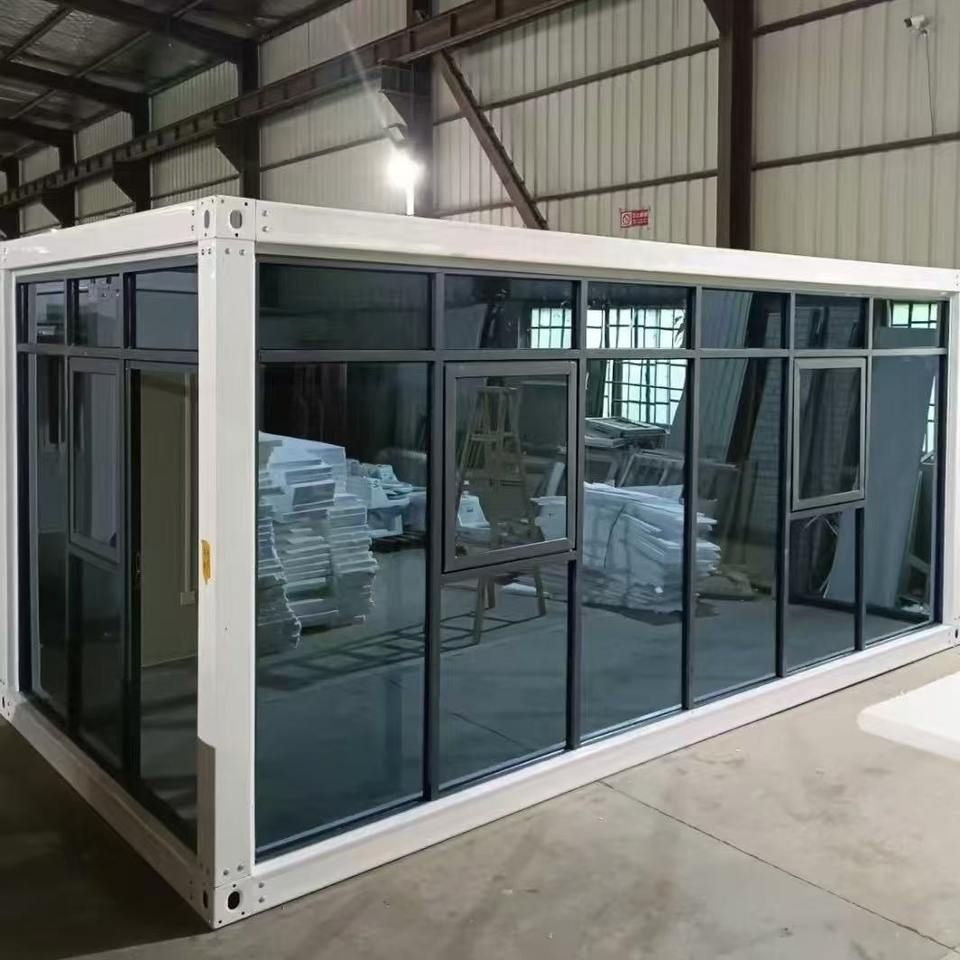
I. Demand Assessment and Equipment Selection When renting mobile toilets for outdoor activities, it is essential to comprehensively consider factors such as the duration of the event, the gender ratio of participants, the terrain of the venue, and the availability of water and electricity. For instance, an eight-hour music festival requires more toilet stalls and higher service frequency, whereas a three-hour community sports event has relatively lower demands. The mainstream equipment can be categorized into three types:
- Traditional Packaged Mobile Toilets: These rely on chemical agents to decompose waste, do not require external water and electricity connections, and offer flexible deployment. However, they entail significant subsequent cleaning and maintenance work, making them suitable for venues without water and electricity access.
- Flushable Mobile Toilets: These provide an experience similar to fixed toilets but require a stable water supply and drainage system, making them suitable for areas with complete water and electricity infrastructure.
- Vacuum Environmental Protection Toilets: These utilize air pressure differentials to transport waste, are water-saving and environmentally friendly, but have high requirements for equipment technology, making them suitable for scenarios with high demands for hygiene and water conservation.
II. Physical Composition and Functional Realization The core of a mobile toilet is a modular sanitation unit, typically manufactured from high-strength composite materials or specific polymers, offering both structural stability and lightweight characteristics. Internally, it integrates a toilet bowl, flushing system, ventilation device, and waste storage equipment, forming an independent, circulating micro-sanitation treatment space. Its functional realization relies on an off-grid support system:
- Water Supply: Limited water supply is achieved through external water sources combined with small storage tanks, or waterless/micro-flush technologies (such as degradable film encapsulation and foam sealing).
- Waste Disposal: Waste disposal is accomplished through collection-type storage tanks, biodegradation chambers, or对接 (connection to) mobile vacuum suction equipment.
- Ventilation: Air freshness is maintained through natural convection or low-power forced ventilation.
III. Application Scenarios and Deployment Process Nanning mobile toilets are commonly found in large-scale outdoor gatherings, temporary construction sites, peak tourist seasons at scenic spots, and short-term maintenance of municipal facilities. Deployment requires coordinating technical aspects such as venue assessment, unit transportation and positioning, and the establishment of a service support network to ensure efficient operation.
IV. Local Production and Customized Services Local manufacturers in Nanning provide mobile public toilets that can be relocated repeatedly, featuring galvanized steel structures with waterproof and corrosion-resistant properties, eliminating the need for civil construction, and supporting customization of size and appearance. Additionally, some manufacturers offer factory-direct products covering a variety of specifications and materials, including public restrooms, container toilets, intelligent mobile restrooms, outdoor shower rooms, and ecological toilets, to meet diverse needs.


