
Nanning Color Steel Mobile Toilet
Nanning color steel mobile toilets are characterized by their sturdiness, weather resistance, easy installation, high-quality materials, and diverse types.
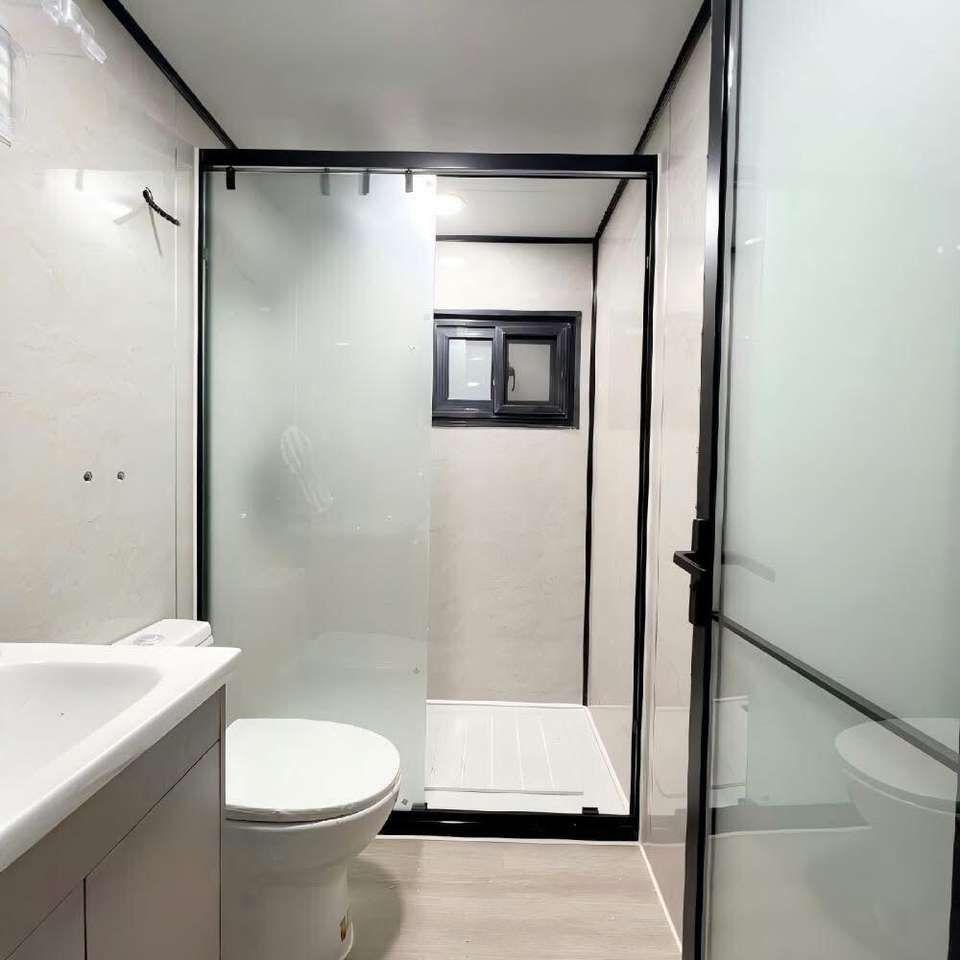
Sturdiness and Weather Resistance: The overall structure of Nanning's color steel mobile toilets is robust, capable of withstanding a certain degree of external impact and adapting to various usage environments. Their outer shells are made of color steel, providing excellent weather resistance against both intense sunlight and rainy conditions. This ensures a relatively stable and comfortable usage space for users, effectively protecting internal facilities from external environmental influences.
Easy Installation: Upon arrival, color steel mobile toilets only require connection to water and electricity supplies to be ready for use. This design significantly shortens installation time, reduces construction difficulty and costs, making them particularly suitable for temporary venues or projects requiring rapid deployment, such as large-scale event sites and construction sites.
High-Quality Materials: Some color steel mobile toilets adopt a light steel keel structure, using national standard steel to ensure structural stability and safety. Depending on the model, the walls are constructed from materials such as aluminum-plastic panels, metal carved panels, and fluorocarbon-sprayed steel plates. These materials not only offer sound insulation, heat insulation, flame retardancy, and aging resistance but also boast an aesthetically pleasing appearance that harmonizes with the surrounding environment. The roofs are made of high-quality asphalt shingles and feature insulation, heat insulation, and sound insulation layers, further enhancing the toilet's comfort and practicality.
Diverse Types: The market for color steel mobile toilets in Nanning offers a rich variety of options. While primarily made of color steel, they vary in shape and flushing methods. Shapes include rectangular, elongated, and I-shaped, among others, allowing for customization based on actual site conditions and usage needs. Flushing methods include both manual and automatic options, catering to different user habits and requirements.



