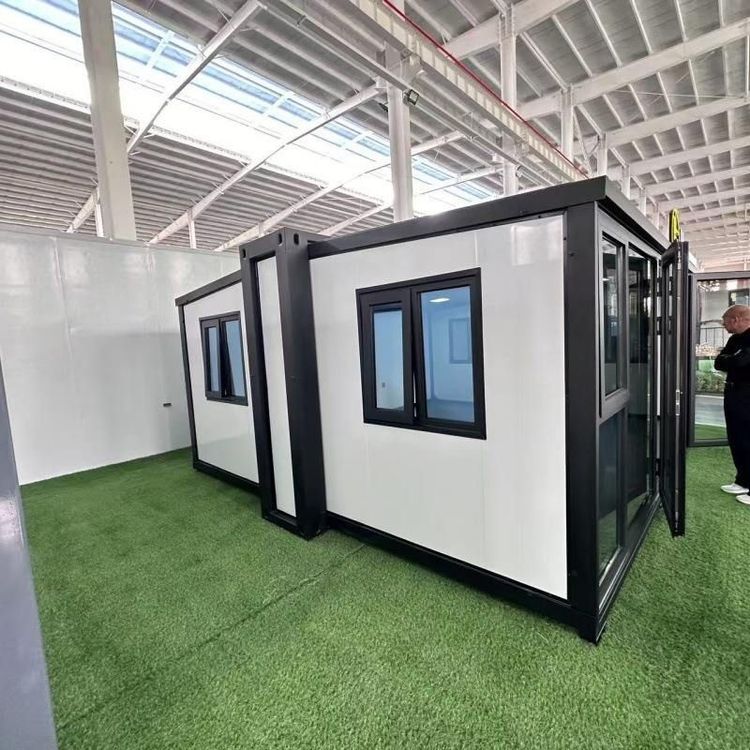
Nankai Rental Portable Toilets
The service of renting portable toilets in Nankai is widely used in large-scale events, temporary gatherings, or construction sites. You can contact Manager Qin (Phone: 13776562074, Email: 310203268@qq.com) for the service.

I. Types and Configurations of Portable Toilets Rented portable toilets come in two types: standalone and trailer-mounted. Standalone units are smaller in size, suitable for narrow spaces or short-term events such as small exhibitions and community activities. Trailer-mounted units can be moved by vehicles, making them ideal for scenarios requiring frequent relocation, such as music festivals and marathons. Each type has different internal configurations, including flushing systems (some are waterless designs), handwashing stations, and waste tank capacities (usually ranging from 100 to 500 liters), which can be selected based on event needs.
II. Sewage Disposal and Cleaning Systems Portable toilets provided by professional companies are not simple “plastic boxes” but are equipped with complete temporary sewage disposal and cleaning systems. The core equipment is the mobile toilet unit, which includes a freshwater tank, a wastewater tank, a flushing mechanism, and ventilation devices. The operation mode adopts “vacuum suction + sealed transportation,” where fecal wastewater is transported by professional suction vehicles to municipal sewage treatment plants or mobile treatment stations to ensure environmental compliance.
III. Layout Optimization Principles The layout of portable toilets should combine “peak foot traffic calculation” with “service radius optimization.” For example, music festival organizers need to estimate the number of toilet visits per hour, and technicians arrange toilet units in groups at key locations such as audience entrances, dining areas, and behind the main stage based on site flow. The number of toilets in each group should balance queue times (usually controlled within 5 minutes) with reserved space for sewage truck access to avoid congestion.
IV. Cleaning and Maintenance Standards The service contract specifies “cleaning frequency” and “disinfection standards.” For events lasting more than 48 hours, a quick cleaning should be performed after every 50 uses, including replacing deodorizers, replenishing hand soap, and checking flushing pressure. Some high-end units are also equipped with automatic air fresheners and UV disinfection functions to enhance the user experience.
V. Rental Considerations When contacting for rental, clarify parameters such as the number of rental days, estimated daily usage frequency, and ground flatness at the equipment placement location, as these directly affect rental pricing and equipment models. Suppliers are divided into professional sanitation equipment companies (focusing on equipment performance and maintenance) and comprehensive event service providers (offering supporting transportation, installation, and waste removal services), so choose based on your needs. Contract terms should focus on equipment transportation costs, waste removal frequency and costs, and equipment damage compensation standards to avoid disputes.