
Nankai Mobile Toilet Manufacturer
Nankai mobile toilet manufacturers have significant characteristics in production and manufacturing, covering modular design, resolution of key technologies, and scenario-based configurations.
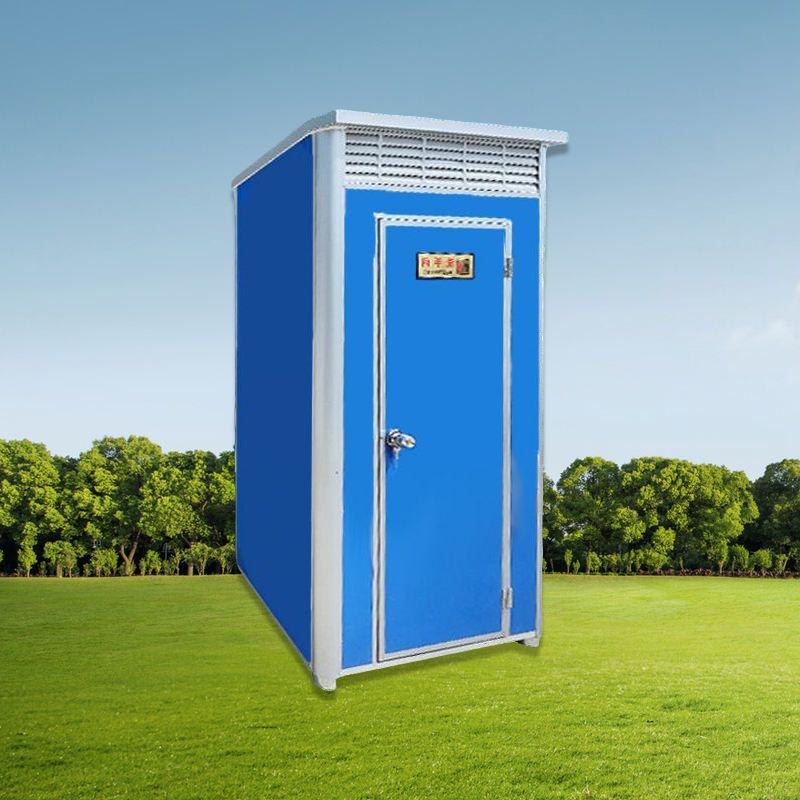
Modular design is a core feature. Nankai mobile toilets are typically composed of core modules such as the main frame, internal functional partitions, ventilation systems, water supply and drainage systems, and electrical systems. This design approach makes the assembly and disassembly of mobile toilets more convenient, enabling rapid adaptation to the needs of different sites. For example, at temporary event venues, different numbers of modules can be flexibly combined according to the scale of the event and the number of participants to quickly set up mobile toilets that meet the requirements. At the same time, modular design also facilitates later maintenance and upgrades. When a module fails, only the corresponding module needs to be replaced, greatly reducing maintenance costs and time.
Key technical issues have been properly resolved. During the production process, corrosion resistance, thermal insulation, and the sealing of the sewage system are key technical issues. The main panels are made of galvanized steel plates or aluminum plates and coated with anti-rust paint, effectively preventing corrosion of the panels in humid environments and extending the service life of the mobile toilets. The interlayer of the box is filled with polyurethane insulation to maintain a suitable temperature inside the toilet in different seasons and improve user comfort. The sewage tank is made of high-density polyethylene (HDPE) or linear low-density polyethylene (LLDPE) materials, ensuring the sealing of the sewage system and preventing sewage leakage from polluting the environment.
Product configurations are scenario-based and differentiated. According to different scenarios such as temporary events and construction sites, the product configurations of mobile toilets are designed differently. In temporary event scenarios, large-capacity sewage tanks and sensor-based flushing systems are equipped. Large-capacity sewage tanks can reduce the frequency of cleaning and lower labor costs; sensor-based flushing systems are more hygienic and convenient, enhancing the user experience. In construction site scenarios, more attention may be paid to the robustness and durability of mobile toilets to adapt to harsh construction environments.



