
Back to blog
Article
Nanjing Waterless Mobile Toilet
Admin October 19, 2026
The Nanjing waterless mobile toilet is a new type of environmentally friendly sanitation facility that does not require flushing and treats excreta through special technologies, offering both flexibility and water-saving advantages.
Working Principles and Core Technologies
Waterless mobile toilets replace traditional flushing methods with physical or biological approaches. Common technologies include:
- Microbial Degradation System: Utilizes specific bacterial strains to decompose organic waste into harmless substances (such as carbon dioxide and water), enabling resource recycling;
- Foam Sealing Technology: Covers the bottom of the toilet bowl with special foam to block odors and lubricate pipes, reducing excreta adhesion;
- Vacuum Suction Device: Uses air pressure differences to collect waste into sealed containers, preventing leakage;
- Solidification and Encapsulation Treatment: Adds coagulants to transform liquids into a gel state for easier subsequent cleanup. These technologies can be applied individually or in combination, saving tens of liters of water per day and significantly reducing water consumption.
Equipment Structure and Functional Design
Standard equipment includes three core modules:
- Treatment System: Integrates fermentation tanks, filtration devices, and ventilation equipment to ensure efficient material conversion;
- Control Unit: Intelligently monitors parameters such as temperature, humidity, and storage capacity, automatically alerting in case of abnormalities;
- Auxiliary Facilities: Equipped with lighting, barrier-free handrails, emergency call buttons, and other user-friendly features. The spatial layout is optimized using ergonomic principles, typically featuring independent compartments, a supply storage area, and an equipment room, balancing privacy and practicality.
Application Scenarios and Adaptability
Its modular design supports rapid deployment and is suitable for:
- Temporary Event Venues: Such as music festivals, sports events, and other densely populated areas;
- Municipal Public Areas: Supplementing the shortage of fixed public toilets in parks, transportation hubs, etc.;
- Special Working Environments: Construction sites, geological exploration areas, and other regions lacking or without water supply;
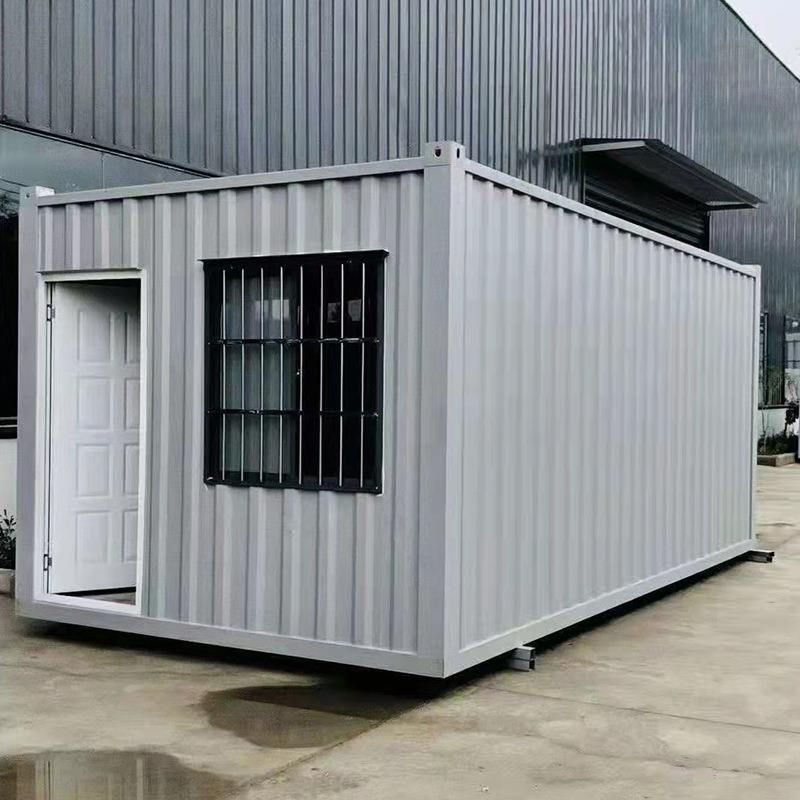
- Emergency Support Scenarios: Establishing temporary sanitation networks after natural disasters. The container-like structure facilitates lifting and transportation, allowing flexible adjustment of the number of units based on foot traffic.
Environmental Benefits and Resource Conservation
Compared to traditional toilets, the waterless model excels in environmental protection:
- Water Conservation: Saves approximately 150 tons of water per unit annually, equivalent to the annual water consumption of a three-person household;
- Pollution Control: Sealed treatment prevents groundwater contamination and reduces odor emissions by over 70%;
- Resource Recycling: Treated products can be used as raw materials for agricultural and forestry fertilizers;
- Energy Conservation: Most models are powered by solar energy, reducing reliance on the power grid.
Operational Maintenance Points
Standardized procedures must be followed to ensure proper equipment operation:
- Daily Inspections: Check sealing status, foam levels, and microbial activity indicators;
- Regular Maintenance: Clean solid residues monthly and replace biological agents quarterly;
- Fault Response: Establish disposal plans for issues such as vacuum pressure abnormalities and fermentation stagnation;
- Hygiene Assurance: Use standard-compliant cleaning agents for surface disinfection. Providers such as Nanjing Yunshui Environmental Protection Service Co., Ltd. can offer professional maintenance team support.
Related



