
Back to blog
Article
Nanjing Rural Mobile Toilets
Admin September 21, 2026
Nanjing rural mobile toilets are flexible and convenient sanitation solutions designed to meet the diverse sanitation needs of rural areas. There are various types available, suitable for different scenarios, and the supply process takes corresponding factors into account.
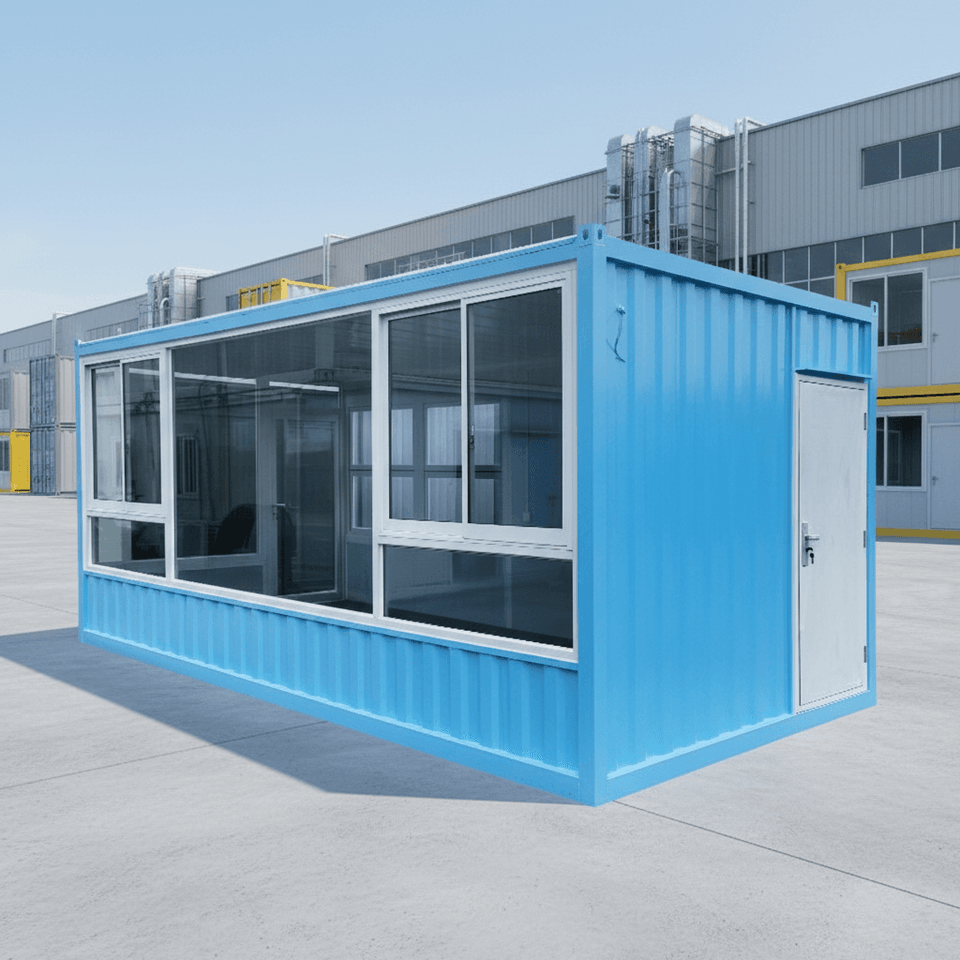
Product Types and Features
- Single-unit Mobile Toilets: These are the most common type, made of lightweight materials such as reinforced plastics or composite materials, with a compact structure. They have basic toilet functions and may include a squat toilet or a sit-down toilet, a storage shelf, and a ventilation window inside. They are easy to transport and can be quickly deployed to the required locations using small vehicles.
- Trailer-mounted Mobile Toilets: These are larger in size and have more comprehensive functions. They are moved by being towed by vehicles and have spacious interiors. They may be equipped with simple hand-washing facilities and larger waste storage tanks, making them suitable for outdoor event venues with a large number of users or long usage durations.
- Waterless Eco-friendly Toilets: The design focuses on reducing water consumption and environmental impact. They use special treatment systems, such as biodegradation or packaging and sealing, to handle waste, eliminating the need for connection to water supply and drainage networks. They are particularly suitable for rural outdoor areas lacking water supply conditions.
- Simple Temporary Toilets: These have lower costs and a simple structure. They are usually constructed using metal frames combined with enclosure materials and are commonly seen at short-term construction sites or large temporary event venues, meeting the most basic shelter and sanitation needs.
Suitable Scenarios
At temporary rest stops near farmland, where the number of users is relatively small and there may be a lack of water supply, single-unit or waterless eco-friendly toilets are more appropriate. On the other hand, rural cultural activity squares experience a large influx of people in a short time during events, requiring a larger number of trailer-mounted or simple toilets to meet the demand.
Supply Process and Considerations
- Demand Assessment and Solution Determination: The supplier will comprehensively consider factors such as the usage location, estimated number of users, usage duration, and environmental conditions (e.g., availability of water and power) to provide recommendations on product types and quantity allocation plans, avoiding under-configuration or resource waste.
- Delivery and On-site Installation: After determining the plan, transportation vehicles are arranged to deliver the mobile toilets to the designated locations and perform basic installation and fixation to ensure they are placed stably and safely. For rural areas, special consideration should be given to the impact of road conditions on delivery.
- Cleaning and Maintenance Services: In the case of leasing or long-term use, regular cleaning and maintenance are crucial for ensuring hygiene. The supplier will handle waste disposal at agreed-upon frequencies.
Related



