
Nanjing Mobile Toilet Maintenance
The maintenance of mobile toilets in Nanjing is divided into daily maintenance and regular in-depth maintenance, which should be systematically carried out from multiple aspects such as cleaning, equipment maintenance, and consumable replacement.
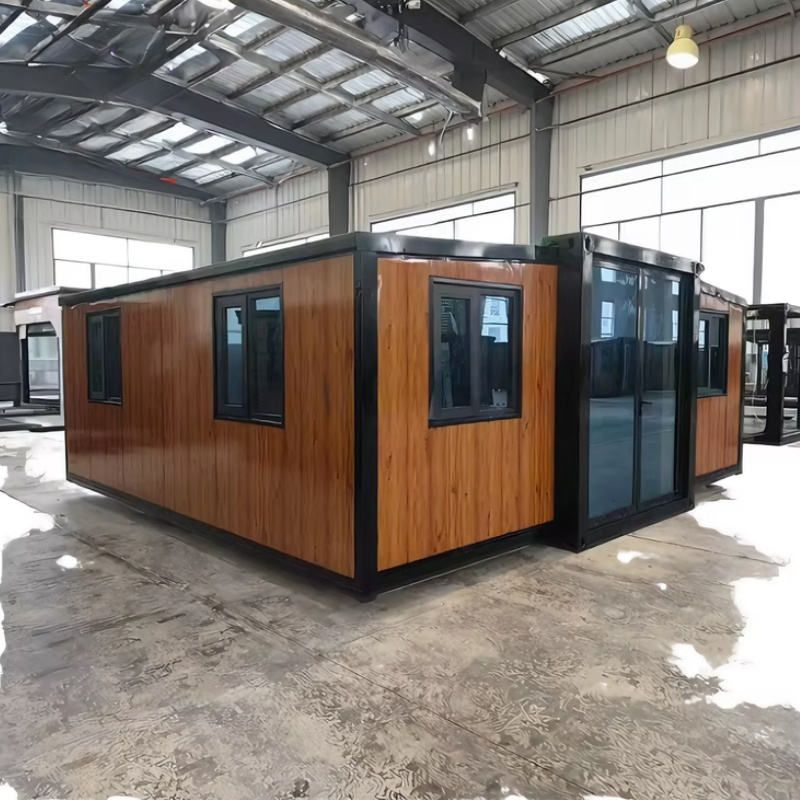
Daily Maintenance
- Cleaning and Hygiene Maintenance
Arrange for dedicated personnel to clean daily to ensure no dust accumulation inside. Specialized tools (such as disinfectants, high-pressure water guns, and sewage suction pumps) are required during cleaning, and cleaning personnel must wear protective gear. The specific process includes:
- Surface Cleaning: Wipe the exterior shell with a damp cloth, and use a neutral cleaner for stubborn stains. The interior toilet should be scrubbed with a disinfectant at the drainage outlet, rinsed with a high-pressure water gun, and then dried. The sink should have its faucet and drainage outlet cleaned to prevent limescale blockage. The floor should be mopped with a disinfectant solution, with special attention to corners. The walls and ceiling should be wiped for stains and checked for leaks or mold spots.
- Waste Disposal: Regularly empty the trash bins and replace the trash bags. Recyclables should be sorted separately.
- Disinfection and Sterilization: Spray chlorine-based disinfectants on high-frequency contact areas such as toilets and door handles, and rinse after 30 minutes. When unoccupied at night, ultraviolet lights can be turned on for sterilization for 30-60 minutes.
- Ventilation: Maintain air circulation through doors, windows, or exhaust fans. The fresh air system should be regularly checked for clogged filters.
Equipment and Facility Inspection
Daily inspection of the mobile toilet's operational status and recording of maintenance conditions are required. Focus on checking whether the flushing system and sewage disposal unit are functioning properly, whether electrical components (such as lighting and sensors) are responsive, and whether structural components (such as walls and doors/windows) have cracks or deformations.Emergency Response
If a blocked drainage pipe is discovered, it should be unclogged immediately. Minor blockages can be cleared using a wire hook to remove the obstruction; severe blockages require notification of professional personnel for handling.
Regular In-Depth Maintenance
- Comprehensive Equipment Inspection and Maintenance
- Flushing System: Adjust the water pressure/foam concentration of the high-pressure air-water flush or foam sealing device to the optimal state.
- Sewage Disposal Unit: Clean residual matter from the waste tank, check for aging of the seal ring, and replenish bacterial strains for microbial degradation toilets.
- Electrical System: Check for aging of wiring and test the sensitivity of sockets and lighting equipment.
- Structural Components: Repair or replace cracked or deformed walls, floors, or doors/windows.
Consumable Replacement
Regularly replace the filter elements of water purifiers and fresh air system filters, update the seal rings at the toilet drainage outlet and water tank inlet, and replenish disinfectants, hand sanitizers, and other consumables.Performance Testing
Test the flushing force and sewage disposal smoothness by simulating usage scenarios, and check safety features such as non-slip floors.



