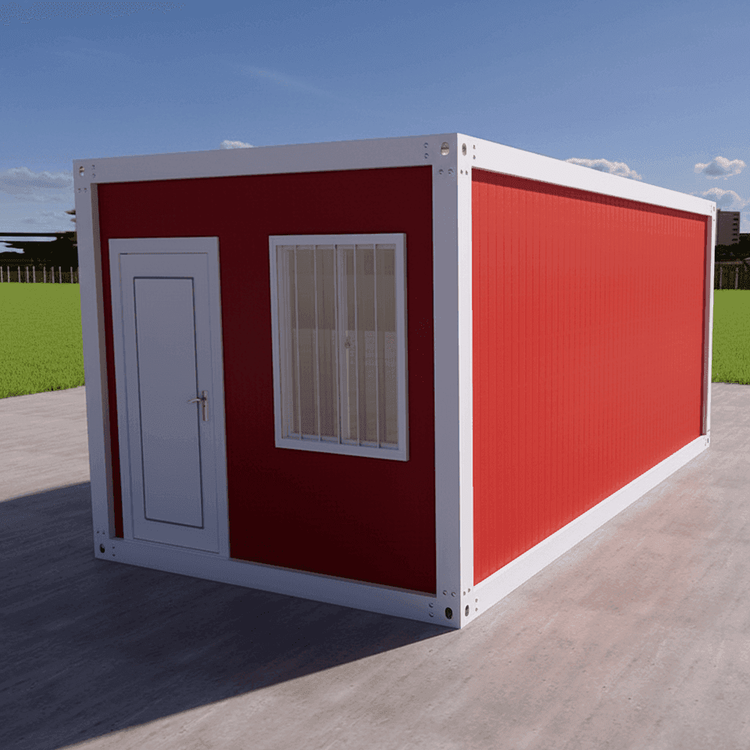
Nanjing Mobile Toilets for the Disabled
Currently, Nanjing does not have a specific, comprehensive plan for mobile toilets targeted at the disabled, but there are some related auxiliary facilities and service initiatives. Details are as follows:

I. Toilet Assistive Devices in Technology-Assisted Disability Products The Nanjing Disabled Persons' Rehabilitation Center once held a technology-assisted disability roadshow event, where the smart hydrotherapy toilet seat cover on display can be regarded as an innovative product addressing the toilet needs of disabled individuals. Through intelligent design, this device may feature functions such as assisting in standing up, anti-slip properties, and cleaning, making it suitable for disabled groups with mobility issues or requiring special care. Although such products are not presented in the form of mobile toilets, they provide technological support for disabled individuals' toilet use and may be integrated into mobile facilities in the future.
II. Procurement and Potential Adaptability of Vehicle-Mounted Mobile Toilets The Nanjing Urban Administration Bureau once issued a procurement announcement for vehicle-mounted mobile toilets, with a budget of 1.17 million yuan and a requirement for one vehicle-mounted mobile toilet with a delivery period of 40 days. However, the announcement did not specify whether the equipment was designed specifically for the disabled. From a technical feasibility perspective, vehicle-mounted mobile toilets can be adapted to the needs of the disabled through barrier-free modifications (such as widening doorways, installing handrails, and lowering the height of operation panels), but the specific configuration of the procured equipment needs further confirmation. Such facilities are flexible and can be deployed in scenarios such as large-scale events and temporary venues to provide emergency toilet services for the disabled.
III. Barrier-Free Toilet Modifications in Home Environments The Maigaoqiao Sub-district Disabled Persons' Federation implemented bathroom anti-slip modifications for 15 households of disabled individuals living alone, treating the floor with environmentally friendly anti-slip agents to reduce the risk of slipping. This initiative falls within the scope of minor home safety modifications and, although it does not involve mobile facilities, reflects Nanjing's practice in the field of toilet safety for the disabled. In the future, experiences from such initiatives can be drawn upon to extend barrier-free designs such as anti-slip features, handrails, and emergency call systems to mobile toilet scenarios.
IV. Limitations of Existing Initiatives Currently, Nanjing's toilet support measures for the disabled exhibit characteristics of decentralization and scenario-specificity: technology products focus on the development of assistive devices, vehicle-mounted toilets lack clear barrier-free standards, and home modifications are limited to specific households. To systematically address the issue of mobile toilet access for the disabled, resources need to be integrated, such as mandating barrier-free configurations in the procurement of vehicle-mounted mobile toilets or developing dedicated mobile toilet models with standardized service procedures.