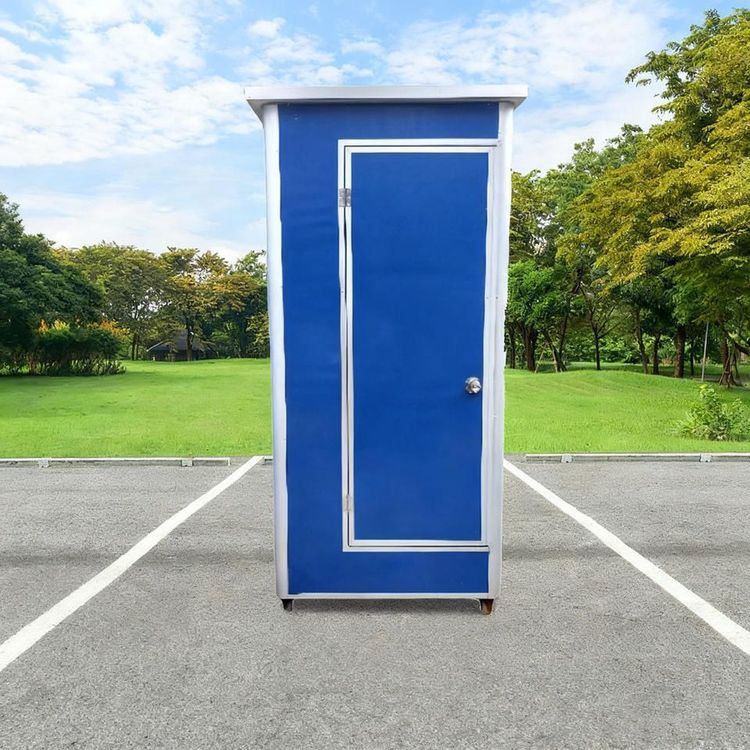
Nanhai Jinshazhou Housing Container
Currently, there is no specific public information available about the 'Nanhai Jinshazhou Housing Container'. The following provides a popular science introduction from aspects such as the general concept, application scenarios, and related policies of housing containers:

General Concept of Housing Containers
A housing container is a type of building form that is based on containers as the fundamental modules and is transformed and designed to be habitable or used for other functions. It usually has standardized dimensions, with common specifications including 20-foot (approximately 6.058 meters long, 2.438 meters wide, and 2.591 meters high) and 40-foot (approximately 12.192 meters long, 2.438 meters wide, and 2.591 meters high) containers. This building form has advantages such as high mobility, fast construction speed, and relatively low cost. It has a sturdy structure that can withstand a certain amount of external force impact and can be internally decorated and functionally divided according to different needs, such as setting up bedrooms, living rooms, kitchens, and bathrooms.
Application Scenarios
- Temporary Buildings: On construction sites, housing containers are often used as temporary dormitories, offices, and warehouses for workers. They can be quickly constructed and dismantled and can be flexibly moved according to the progress of the project to meet the housing needs of the site at different stages.
- Emergency Rescue: After natural disasters, housing containers can serve as temporary shelters to provide safe living places for the affected people. Their characteristic of rapid construction enables them to provide protection for a large number of people in a short period.
- Commercial Uses: Some creative commercial projects also adopt housing containers, such as container cafes, bookstores, and restaurants. This unique building form can attract customers' attention and create a distinctive commercial atmosphere.
Related Policies
Different regions have different policy regulations regarding the use of housing containers. In some cities, the use of housing containers needs to comply with relevant planning, construction, and safety standards. For example, it may be necessary to go through temporary building approval procedures to ensure that their placement does not affect urban traffic, fire protection, and other public safety. At the same time, there are also strict requirements for the quality and safety of housing containers to safeguard the lives and property of users.