
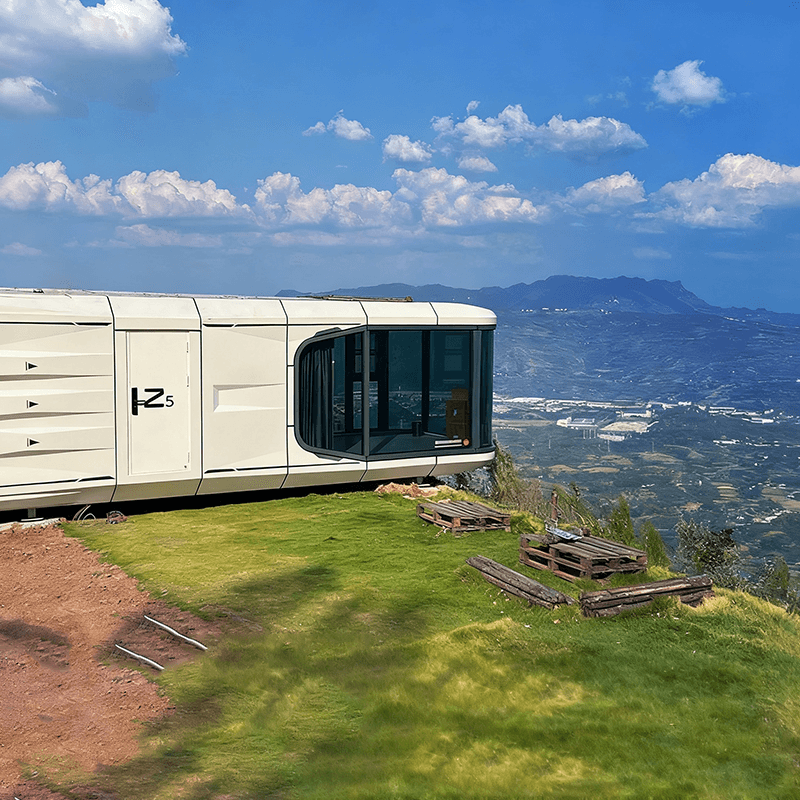
Nanchuan Rural Mobile Toilet
The application of mobile toilets in rural areas of Nanchuan mainly involves rental services, technological adaptation, supporting facilities for rural renovation, and local procurement channels, and appropriate solutions need to be selected according to actual scenarios.
I. Rental Service Model for Mobile Toilets
A mature mobile toilet rental system has been established in the Nanchuan area, covering service scenarios such as marathons, concerts, and construction sites for temporary events. Rural areas can refer to this model for short-term rental of mobile toilets when holding markets, festivals, or agricultural activities. Rental services typically include the entire process of transportation, installation, maintenance, and fecal matter cleaning, making them suitable for scenarios with short demand cycles and low usage frequencies, effectively reducing the initial investment costs for rural sanitation facilities.
II. Technological Solutions Need to Be Adapted to Rural Environments
The sewage disposal technology of mobile toilets directly affects their applicability in rural areas:
- Storage-type: Collects excreta through sealed fecal storage tanks, which are regularly pumped and transported by suction trucks for treatment. This is suitable for remote rural areas without sewage pipelines, but requires planning of pumping routes and frequencies.
- Biodegradable-type: Utilizes microorganisms to decompose feces, reducing odors and cleaning frequencies. However, it requires control of temperature and humidity conditions, and additional insulation measures are needed for climate-sensitive mountainous rural areas.
- Chemical treatment-type: Disinfects and sterilizes through chemical agents, suitable for temporary events. However, long-term use may produce chemical residues, requiring regular replacement of agents and proper disposal of waste liquid.
- Recirculating water flush-type: Adopts a water-saving system to recycle and treat flushing water, suitable for areas with water shortages. However, the equipment cost is relatively high, and professional maintenance is required.
In terms of structural materials, composite materials such as galvanized steel and fiberglass reinforced plastic have anti-corrosion, waterproof, and wind-resistant properties, enabling them to adapt to the complex outdoor environments in rural areas and extend the service life of the equipment.
III. Upgrading of Sanitation Facilities in Rural Renovation
The rural renovation project in Shanwangping Town, Nanchuan District, shows that the upgrading of sanitation facilities is often carried out simultaneously with sewage pipelines and garbage classification systems. Mobile toilets can serve as a supplement to fixed toilets, such as for temporary use during construction phases or in areas not covered by pipelines, or as supporting facilities in eco-tourism villages to enhance the visitor experience. During renovation, it is necessary to plan the layout of mobile toilets in a coordinated manner to avoid overlapping functions with fixed facilities.
IV. Local Procurement and Customization Channels
There are wholesale services for color-steel mobile toilets from manufacturers in Nanchuan District, such as Chongqing Yudai Metal Products Co., Ltd., which can provide customized products. For rural areas that require long-term use of mobile toilets, it is recommended to contact local suppliers to customize dimensions, materials, and sewage disposal solutions according to factors such as population size, usage frequency, and budget, reducing transportation costs and facilitating later maintenance.
Recommendation: Before introducing mobile toilets in rural areas, it is necessary to evaluate the scale of activities, usage cycles, environmental conditions, and budget, giving priority to rental services or local customization, and ensuring alignment with existing sanitation facility plans.



