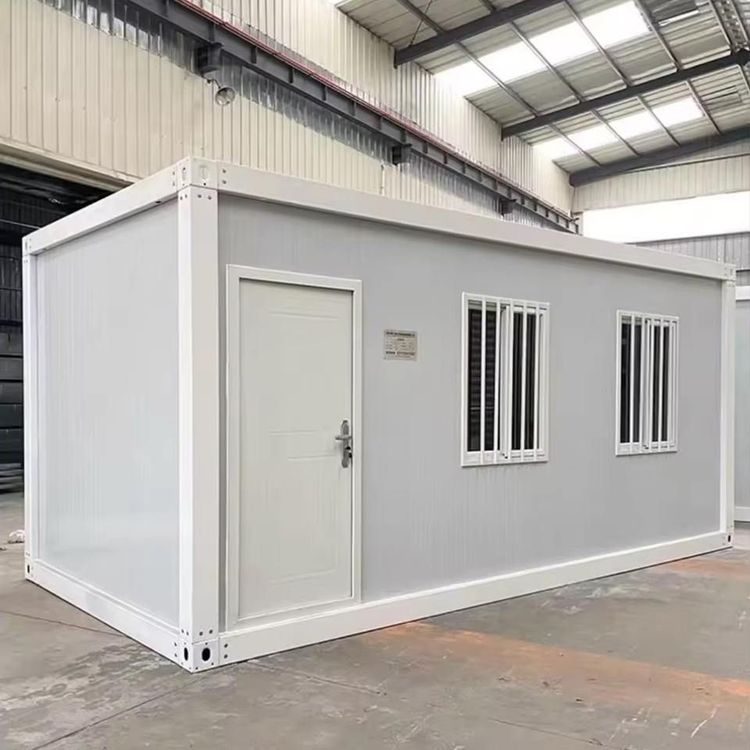
Nanchuan Mobile Portable Toilet
Nanchuan mobile portable toilets offer rental and sales services, with rentals suitable for various scenarios such as marathons, concerts, music festivals, construction sites, etc. Their product features, sewage disposal technologies, and prices are influenced by multiple factors.

Product Structure Features
The core advantage of mobile toilets lies in the separability of functional modules from the base ground. Their load-bearing system consists of a sturdy chassis frame (such as galvanized steel or special anti-corrosion steel) and the main structure. In the early days, the main body was mostly assembled from metal plates, while today, composite material walls that are integrally formed or modularly assembled are widely used. For example, fiberglass-reinforced plastic (FRP) has the characteristics of being seamless, waterproof, corrosion-resistant, and flexible in shape, enabling it to adapt to different scenarios.
Sewage Disposal Technology Paths
Mobile toilets employ various sewage disposal methods, covering multiple technology paths:
- Storage-type: A large-capacity fecal storage tank is installed at the bottom of the toilet body, and it is regularly cleared and transported by suction vehicles. This method is suitable for short-term events or areas without a sewage pipe network.
- Biodegradable-type: By adding microbial agents, solid waste is decomposed into gases and water, reducing the volume of waste and highlighting environmental friendliness.
- Chemical treatment-type: Chemical agents are used to decompose and disinfect waste. This method is simple to operate but requires regular replenishment of agents.
- Recirculating water flush-type: Equipped with a small-scale sewage treatment system, the flushing water is filtered and disinfected for recirculation, achieving significant water-saving effects and being suitable for high-frequency usage scenarios.
Price Influencing Factors
The purchase or rental costs are influenced by multiple variables:
- Core physical structure: Materials (such as FRP, metal embossed panels, color-coated steel sheets), craftsmanship, and basic design determine the initial cost.
- Functional module integration: Additional functions such as ventilation, lighting, water-saving or waterless flushing environmental protection treatment systems, winter anti-freezing systems, and barrier-free facilities will increase the price.
- Service mode selection: Different cost structures correspond to the purchase mode, rental mode, or the all-inclusive service mode of 'rental plus maintenance'.
- Regional market factors: Hidden costs such as transportation costs, local market competition conditions, supplier concentration, site preparation costs (such as installation and dismantling labor costs), water and electricity consumption during use, and waste disposal costs must all be taken into account. For example, transportation costs in remote areas may significantly increase the total cost, while a highly competitive market may offer more favorable rental prices.