
Nanchong Scenic Area Mobile Toilet Design
The design of mobile toilets in Nanchong scenic areas emphasizes integration with natural landscapes while balancing functionality and human-centric needs. Key design features are as follows:
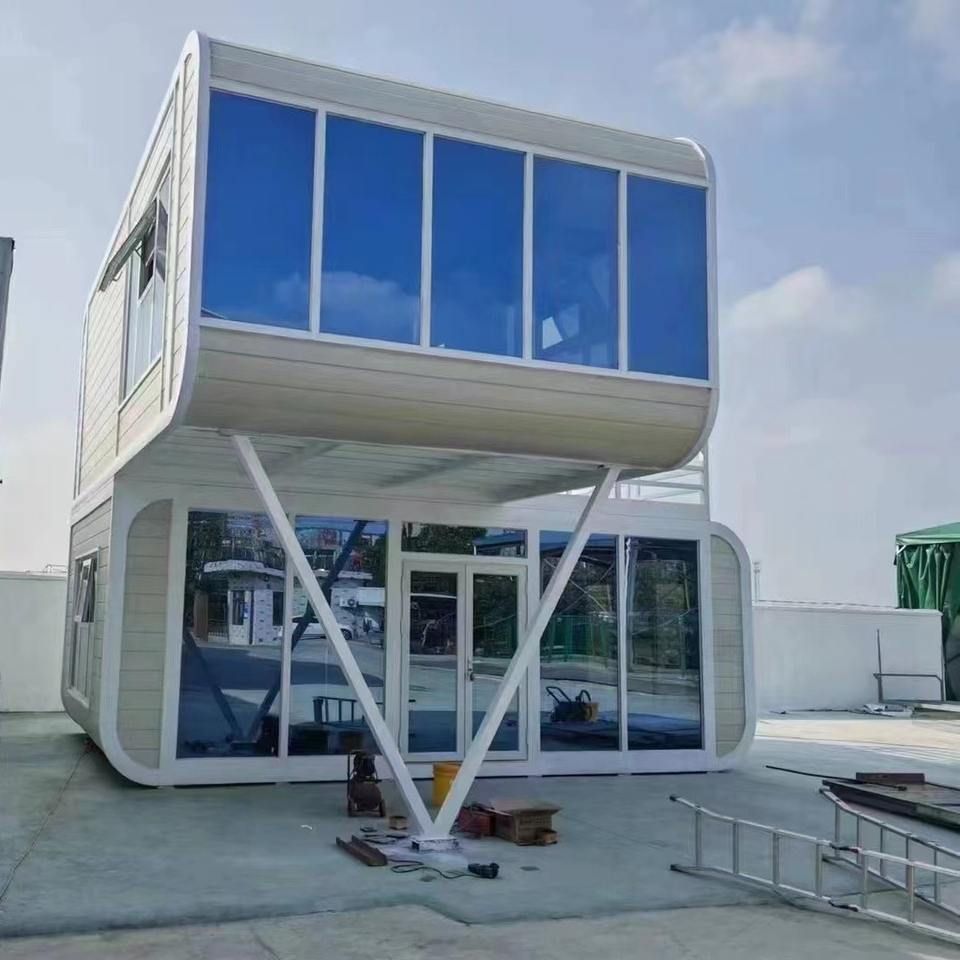
1. Harmonious Appearance with Natural Landscapes
The exterior design of mobile toilets in Nanchong scenic areas primarily adopts eco-mimetic or minimalist styles, reducing visual impact on the environment by mimicking natural forms or using low-saturation colors. For example, some toilets incorporate elements from the Jialing River landscape or Three Kingdoms cultural motifs, featuring customized regional characteristics such as antique architectural shapes or river-view themed finishes. Exterior walls often use thickened fluorocarbon spray paint, which is corrosion-resistant and customizable in color, ensuring harmony with the surrounding environment.
2. Rational Internal Functional Layout
The interior strictly divides functional areas, including male and female restrooms, accessible restrooms, and family restrooms, to meet the needs of diverse visitor groups. The ratio of male to female restrooms is dynamically adjusted based on tourist traffic to prevent queues. Accessible restrooms are equipped with handrails, emergency call devices, and other facilities for the convenience of disabled individuals. Family restrooms provide baby care stations and child safety seats, enhancing the experience for families with children. Some mobile toilets adopt an Apple Pod design, featuring double-basin sinks and mirrors in the washing area, with separate male and female entrances on either side for efficient space utilization.
3. Application of Eco-Friendly and Smart Technologies
In line with green tourism principles, mobile toilets in Nanchong scenic areas widely use water-saving fixtures and smart sensor flushing systems to reduce water waste. Some toilets are equipped with deodorization devices and forced ventilation systems, maintaining fresh air through activated carbon filtration or UV sterilization technology. The floors use non-slip tiles or epoxy flooring, while the walls are made of easy-to-clean antibacterial materials, lowering maintenance costs and ensuring hygiene and safety.
4. Human-Centric Detail Design
In addition to basic functions, some scenic areas add rest areas, charging ports, luggage storage lockers, and other amenities to alleviate visitor fatigue. Baby care stations are equipped with bottle warmers, wet wipe heaters, and other thoughtful devices, demonstrating care for special groups. Furthermore, clear signage and emergency call buttons are installed inside the toilets to enhance usability and safety.
5. Modular Design and Customizability
Mobile toilets feature a modular design, allowing flexible combination or relocation based on the terrain of the scenic area. For example, the Apple Pod structure supports rapid assembly and disassembly, adapting to seasonal variations in tourist traffic. Fixtures and decorations can be upgraded to home-like standards, improving comfort. Some toilets also include accessible ramps and Braille paths, complying with barrier-free design standards.



