
Reasonable Pricing of Mobile Toilets in Nanchong
There is currently no universal conclusion on whether the pricing of mobile toilets in Nanchong is reasonable, but some privately operated public toilets charge relatively high fees, which is inconsistent with the development trend of public facilities.
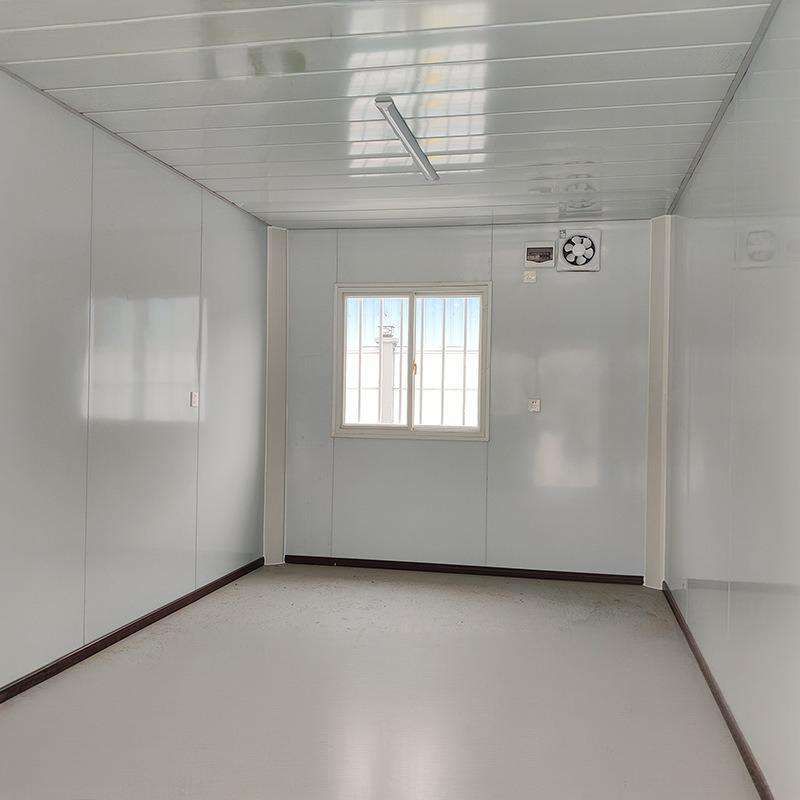
According to available information, the public toilet at Ximen Market in Shunqing District, Nanchong City, is privately owned and operated, with a history of charging fees. In the past, the fee was 0.5 yuan per person per use, but it has increased to 1 yuan per person per use in recent years. Against the backdrop of society's strong push for free and inclusive public facilities, this charging behavior in Ximen Market, a densely populated area in the old city, contradicts the development trend of public facilities.
High fees increase the burden on citizens: Compared to public toilets in other regions that are free or charge low fees, the fees at Ximen Market's public toilet are significantly higher. For citizens who frequently need to use public toilets, especially low-income groups, this undoubtedly increases their financial burden. For example, if a citizen needs to use the public toilet multiple times a day, at a rate of 1 yuan per person per use, it can add up to a considerable expense over the course of a day.
Lack of universal evaluation basis: Currently, no universal conclusion or official evaluation information has been found regarding the reasonableness of mobile toilet pricing in Nanchong. The pricing of mobile toilets may vary due to multiple factors, such as construction costs, maintenance expenses, and operational models. If mobile toilets are invested in and operated by private entities, they may charge fees to recover costs and generate profits. However, if the fees are too high, it may trigger dissatisfaction among citizens.
Promoting the reasonable development of public toilets: To better meet the needs of citizens, relevant departments could consider regulating and managing the pricing of public toilets. For privately operated public toilets, they could guide them to set reasonable prices or provide subsidies to lower the fees. At the same time, they could increase investment in the construction of public toilets, increase the number of free public toilets, and improve the service quality of public toilets, enabling citizens to use them more conveniently and comfortably.
You may also like

Portable Toilet Container in 2026: Buying Guide & Recommendations
Read More
Portable Toilet Color Steel Custom & OEM: Design & Bulk Production Guide
Read More
Portable Toilet Color Steel: Top Options & Considerations
Read More