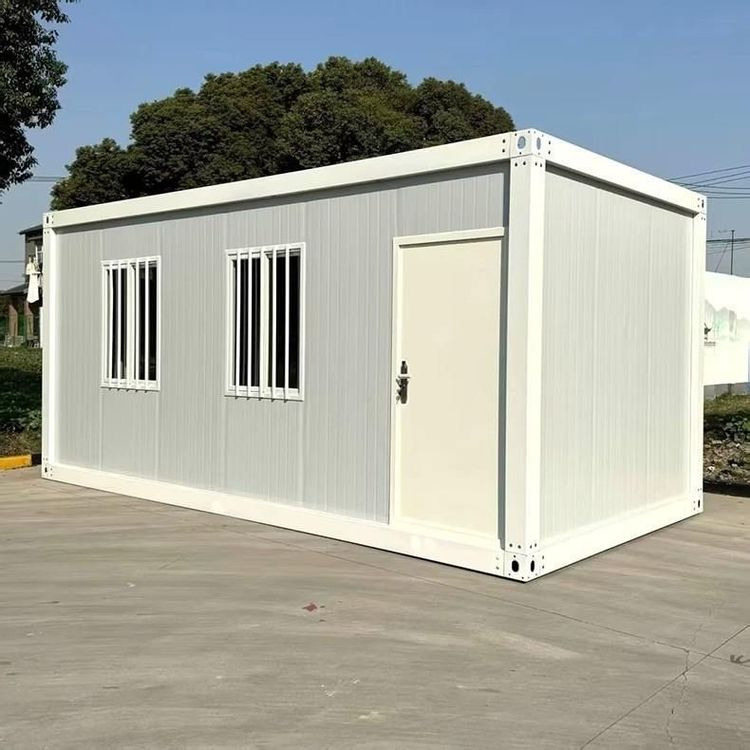
Nanchong Durable Mobile Toilet
The durable mobile toilets in Nanchong are mainly reflected in three aspects: material structure, adaptability to application scenarios, and functional design, featuring high strength, resistance to environmental erosion, and flexible deployment.
I. Material and Structure: High-Strength Frame and Environmental Resistance Design
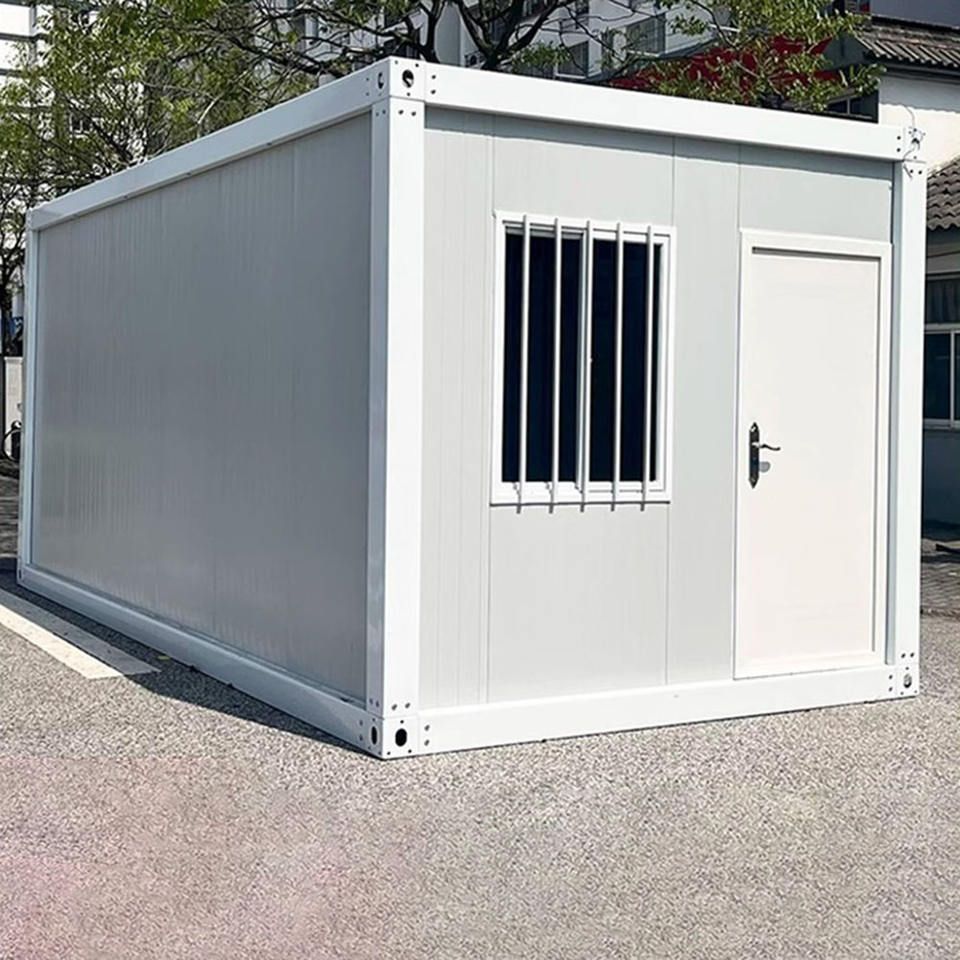
The main frame of Nanchong mobile toilets is made of high-strength galvanized steel or weather-resistant aluminum alloy, both of which possess excellent mechanical properties and corrosion resistance. Galvanized steel forms a dense protective layer through hot-dip galvanizing, effectively resisting environmental erosion such as moisture and salt spray, thereby extending service life. Weather-resistant aluminum alloy enhances strength by adding elements like copper and magnesium while maintaining lightweight characteristics, with seismic resistance up to over 8 degrees and wind pressure resistance suitable for complex scenarios such as coastal areas and mountain passes. For example, in temporary settlement sites for geological disasters or major infrastructure project sites, such structures can withstand external forces like strong winds and vibrations, ensuring stability. Additionally, some models adopt a modular assembly design, fixing components with bolts to avoid stress concentration issues associated with traditional welding processes, further enhancing structural durability.
II. Adaptability to Application Scenarios: Comprehensive Coverage from Emergency to Long-Term Use
To meet the needs of different scenarios, Nanchong mobile toilets are divided into two categories: emergency support and service area types. Emergency toilets feature an ultra-lightweight design, reducing unit weight by over 30% compared to traditional models, supporting hoisting and relocation for rapid deployment in areas without infrastructure, such as temporary settlement sites for geological disasters and wilderness rescue sites. They are equipped with blind spot fall prevention monitoring systems internally, using infrared sensors to monitor usage status in real-time and reduce safety hazards. Service area toilets focus on long-term use stability, with structures using thicker steel and adding transverse support beams to withstand high-frequency usage pressure. They are equipped with independent sewage systems or recycling technologies, achieving sewage purification through biological degradation or chemical treatment to avoid direct environmental pollution, suitable for places with high passenger volumes like highway service areas and scenic spots.
III. Functional Design: Balancing Humanization and Maintainability
Durability is not only reflected in structural strength but also in usage experience and maintenance efficiency. Nanchong mobile toilets come standard with flushing systems, ventilation devices, and odor prevention designs. The flushing systems use water-saving valves, reducing single-flush water consumption by 50% compared to traditional toilets, while accelerating air circulation through negative pressure ventilation technology to suppress odor generation. Internally, they are equipped with humanized facilities like hand sanitizer and tissue holders, and optimized with details like anti-slip floor tiles and rounded corners to enhance usage safety. For cleaning and maintenance, the modular design supports rapid disassembly, such as separable toilet bowls and fecal storage tanks, facilitating regular disinfection and cleaning. Some models are also equipped with remote monitoring systems, using IoT technology to provide real-time feedback on usage status, guiding maintenance teams for precise operations and reducing manual inspection costs.