
Environmental Protection of Mobile Toilets in Nanchang Scenic Spots
The environmental protection features of mobile toilets in Nanchang scenic spots are mainly reflected in advanced treatment technologies and strict deployment requirements, achieving resource recycling and environmental friendliness through technological optimization and management norms.
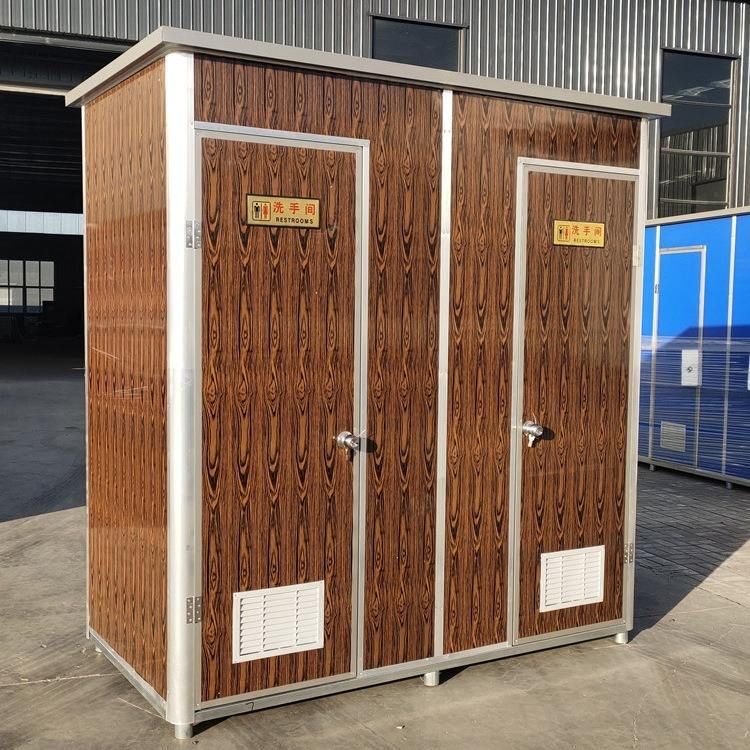
I. Environmental Protection Treatment Technologies
Water Recycling Treatment System
This technology combines physical filtration with biological degradation. After initial filtration through grates, sewage undergoes microbial decomposition of organic matter, ultimately producing clear water that meets irrigation standards and is recycled. This system significantly reduces water consumption, making it particularly suitable for water-sensitive scenic areas and achieving 'zero discharge' of sewage.Vacuum Suction Treatment Method
For high-traffic areas, vacuum suction technology rapidly draws sewage into sealed storage tanks through negative pressure, which is then transported to centralized treatment stations. The fully sealed design prevents odor diffusion and improves water resource utilization by over 60% compared to traditional flush toilets, effectively alleviating water pressure in scenic spots.Composting Treatment Technology
Excrement is mixed with organic media such as sawdust and straw for fermentation, decomposed by microorganisms into odorless, harmless organic fertilizer. This technology achieves 100% resource utilization of excrement, suitable for environmentally sensitive areas like ecological reserves, eliminating pollution at the source.Application of Integrated Treatment Equipment
Small-scale equipment integrating solid-liquid separation, disinfection, and sterilization functions can purify sewage on-site. Its modular design facilitates rapid deployment, and the treated water quality meets the 'Urban Sewage Reuse Standard,' allowing direct use for greening irrigation or landscape water replenishment.
II. Deployment Requirements
Site Selection Norms
Mobile toilets must be located away from sensitive areas such as water source protection zones and food processing areas, maintaining a minimum distance of 5 meters from residential buildings and office areas. In high-traffic areas (e.g., entrances, viewing platforms), a minimum passage width of 2 meters must be reserved to ensure safe passage and emergency evacuation.Basic Supporting Facilities
Independent sewage discharge or collection systems must be installed to prevent direct discharge of fecal matter into the soil. For sites without drainage conditions, movable fecal collection tanks should be used, regularly transported by specialized vehicles for disposal. The ground must use non-slip materials and be equipped with barrier-free handrails to ensure the safety of elderly individuals, children, and other special groups.Hygiene and Safety Standards
Cleaning and disinfection must be conducted at least twice daily, with basic supplies such as toilet paper and hand sanitizer provided. During high-temperature summer periods, sunshades and forced ventilation equipment should be installed to maintain an internal temperature ≤30°C; emergency lighting (illuminance ≥30lx) and non-slip warning signs should be set up in nighttime usage areas to reduce safety risks.Environmental Compliance Requirements
Strictly adhere to the 'Nanchang Environmental Sanitation Management Regulations,' prioritizing the use of water-saving flush devices (single flush ≤4L). The use of direct-discharge simple toilets is prohibited, and all fecal matter must be treated to meet standards before discharge or recycled as organic fertilizer, ensuring full compliance with environmental regulatory requirements throughout the process.



