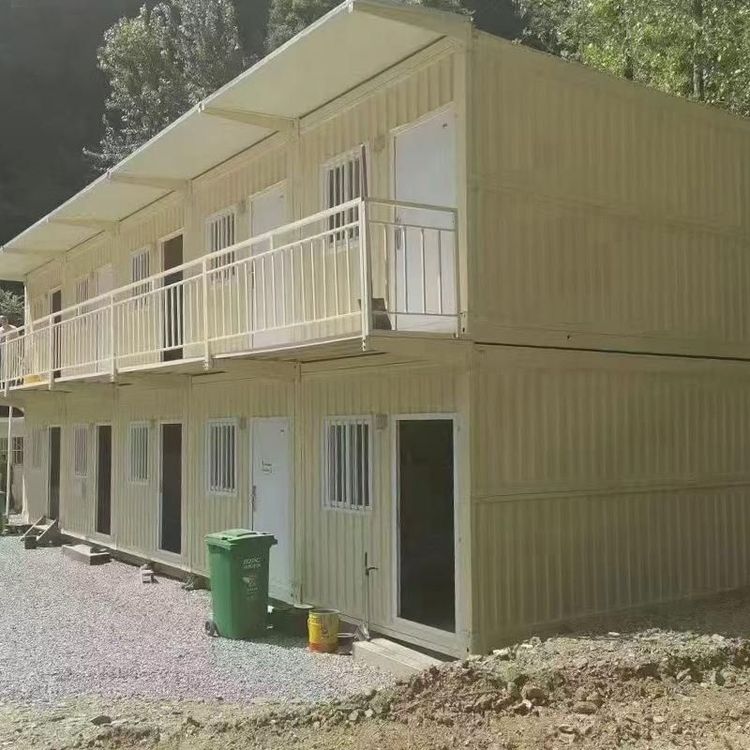
Nanchang Mobile Toilet Maintenance
The maintenance of mobile toilets in Nanchang needs to be carried out comprehensively from multiple aspects such as daily cleaning, equipment inspection, fault handling, and response to special weather conditions to ensure their normal operation and hygiene safety.

1. Daily Cleaning and Maintenance
The cleaning frequency should be adjusted according to the usage scenario: For places with high foot traffic (such as scenic spots and exhibitions), it is recommended to clean every 4 hours; for ordinary events, clean at least twice a day. Use neutral detergent during cleaning, focusing on areas such as toilets, urinals, washbasins, and floors to ensure no stains or odors remain. At the same time, disinfect high-frequency contact areas such as faucets and switches, promptly clear garbage, and mop the floor to keep it dry and slip-resistant.
2. Regular Equipment Inspection
The lessor should establish an inspection system and conduct a comprehensive inspection of the equipment before daily use:
- Water supply system: Check the water level in the tank to ensure the flushing function is normal;
- Drainage system: Unclog pipes to prevent blockages;
- Electrical equipment (such as powered equipment): Check whether lighting, ventilation fans, etc., are operating properly;
- Structural safety: Confirm that doors, windows, and supports are not damaged and that the overall stability is intact.
If problems such as door lock failures or blocked sewage pipes are found, immediate repair or replacement is required to avoid affecting usage.
3. Emergency Fault Handling
Maintenance personnel should arrive at the scene within 2 hours to handle faults:
- Simple faults (such as abnormal flushing): Repair on-site and restore usage;
- Complex faults (such as pipe ruptures): Evaluate and decide whether to repair or replace the equipment to ensure that the event is not affected.
After fault handling, record the repair content and duration and provide feedback to the customer. The leasing agreement should clearly specify emergency procedures, such as being on call 24 hours a day and responding within 2 hours.
4. Response to Special Weather Conditions
Jiangxi has rainy summers and cold winters, requiring targeted measures:
- Rainy days: Check the equipment's tightness to prevent rainwater from seeping in;
- Winter: Take anti-freezing measures for water tanks and pipes, such as wrapping them with insulation materials;
- Extreme weather (such as heavy rain and strong winds): Reinforce the equipment in advance or move it to a safe area.
5. Other Maintenance Considerations
- Keep equipment labels clear for easy user identification;
- Promptly remove garbage to prevent odor diffusion;
- Regular leasing companies will clean the toilets regularly. Users can contact the lessor for repairs if they find damaged facilities.