Seismic Resistance of Musk's Prefabricated House
The prefabricated house (the Casita model produced by Boxabl) where Musk resides has excellent seismic resistance and can withstand an earthquake of magnitude 8. The following is an analysis from aspects such as structure, materials, and design lifespan:
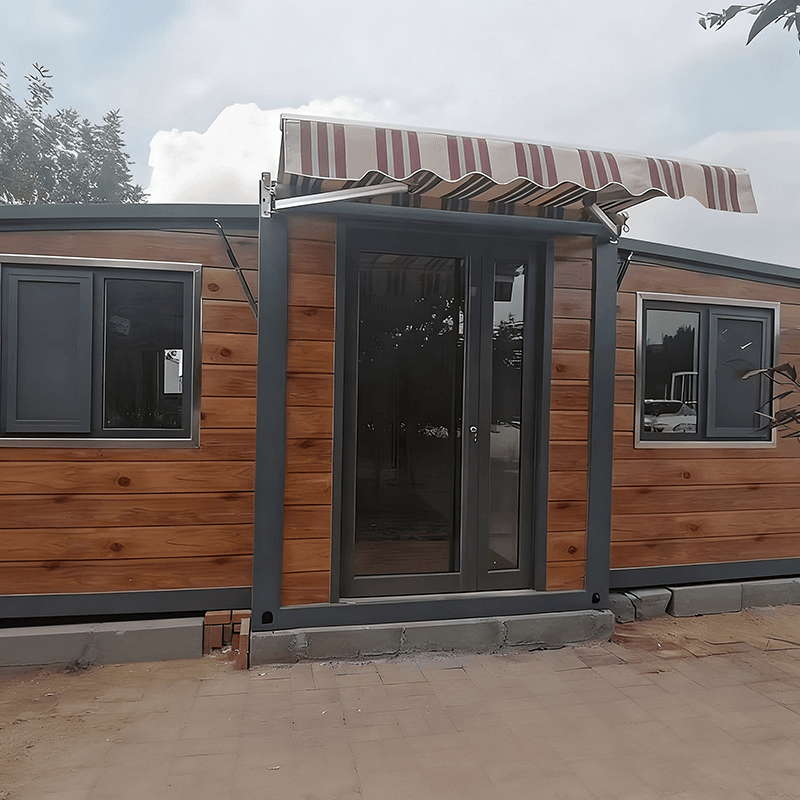
1. Structural Advantages Lay the Foundation for Seismic Resistance
The main body of the Casita prefabricated house adopts a steel-concrete composite structure. This structure forms an overall load-bearing system through the composite action of steel and concrete. Steel has high strength and good ductility, enabling it to absorb energy through plastic deformation under the action of seismic waves, preventing sudden structural fractures. Concrete provides rigidity and compressive strength. The combination of the two gives the house the characteristic of being both rigid and flexible. Compared with traditional brick-concrete structures, steel-concrete composite structures are less likely to collapse as a whole during earthquakes, buying time for occupants to escape.
2. Specialized Thermal Insulation Panels Enhance Structural Stability
The exterior walls of the house use specialized thermal insulation panels, which generally have characteristics such as being lightweight, high-strength, and fire-resistant. Their lightweight nature reduces the overall mass of the house, thereby minimizing the impact of inertial forces on the structure during earthquakes. High strength ensures that the panels are less likely to be damaged during earthquakes, maintaining the integrity of the walls. In addition, the thermal insulation panels are reliably connected to the steel-concrete frame to form an integral whole, further improving the house's lateral force resistance and effectively countering the horizontal displacements caused by earthquakes.
3. Design Lifespan Reflects Structural Durability
The design service life of the Casita reaches 70 years or even 100 years. This indicator not only reflects the reliability of materials and workmanship but also indirectly indicates the long-lasting nature of its seismic performance. Long-term durability requires the structure to maintain stable performance under long-term loads, environmental erosion (such as humidity and temperature changes), and occasional loads like earthquakes. For example, steel needs anti-corrosion treatment to prevent rusting, and concrete needs to have its crack width controlled to prevent steel reinforcement corrosion. These measures ensure that the structure's load-bearing capacity does not significantly decline due to aging during earthquakes.
4. Seismic Grade and Practical Application Scenarios
The statement of being able to withstand an earthquake of magnitude 8 should be understood in conjunction with seismic intensity. Magnitude 8 refers to the earthquake magnitude, while the seismic design of houses is usually based on seismic intensity (such as intensity 8). Seismic intensity reflects the degree of damage caused by an earthquake to the earth's surface and buildings. The seismic performance of the Casita may meet the design requirements for high-intensity areas and has been verified to comply with regulations through structural calculations and model tests. In addition, the modular design of prefabricated houses facilitates the adjustment of the strength of connection nodes to meet different seismic requirements, further enhancing adaptability.