
Music Festival Portable Toilets Planning
The planning of portable toilets for music festivals requires comprehensive consideration of various factors, including hardware suitability, waste treatment, usage efficiency, environmental adaptability, procurement and leasing options, supplier selection, and other considerations.
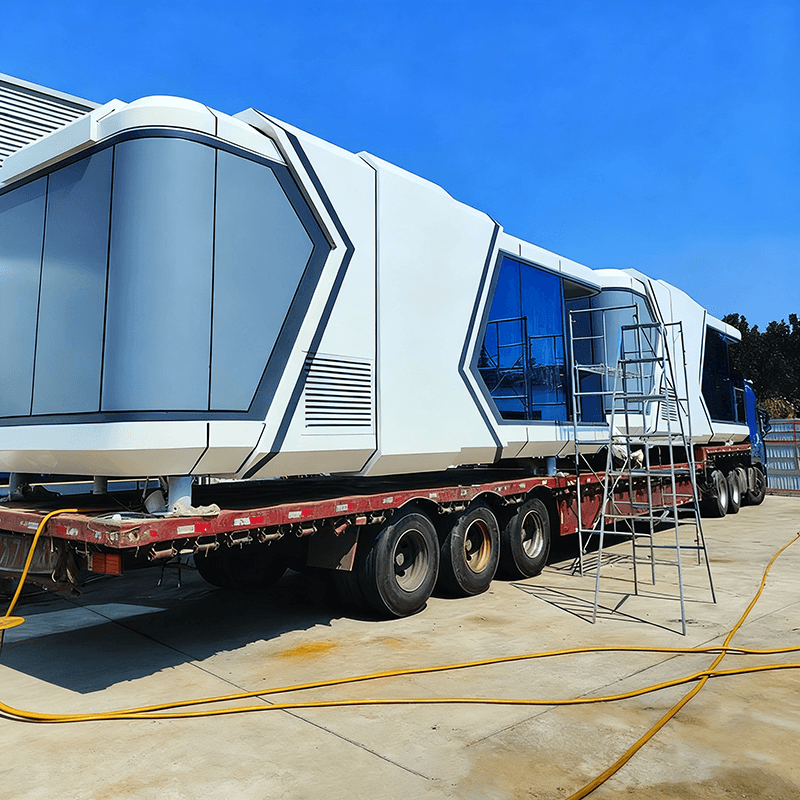
Hardware Suitability: The capacity of the waste storage tank is crucial. In the hot summer of Hubei, if the designed volume of the fecal tank is less than the standard value (e.g., less than 60 liters for a single toilet stall), the fermentation of waste accelerates, leading to an increased risk of overflow. In leasing plans, the interval for pump truck clearance should match the capacity of the fecal tank. For example, at a music festival with 5,000 attendees per day, a 60-liter fecal tank requires clearance every 4 hours, while an 80-liter tank can be extended to 6 hours.
Waste Treatment: Traditional direct-discharge waste storage systems are prone to excessive ammonia gas concentrations in high temperatures, affecting the experience and posing a risk of leakage pollution near water sources. Biodegradable circulating toilets utilize aerobic bacteria to decompose waste, reducing the need for clearance. However, they come with higher costs, limited daily processing capacity per unit, and decreased efficiency in rainy weather.
Usage Efficiency: On average, women spend about 1.5 times longer in the toilet than men, so a reasonable ratio of toilet stalls should be 2:1 (female:male). The layout of the venue affects queuing efficiency, and dispersing toilet stalls can reduce unnecessary movement. Introducing a 'queue dynamics model' can help predict peak toilet usage times, such as within 15 minutes after the end of a popular band's performance, when temporary backup toilet stalls may need to be activated or staff assigned to guide attendees.
Environmental Adaptability: In the hot and humid summer of Hubei, the decomposition rate of organic matter in waste accelerates, releasing hydrogen sulfide and ammonia gases that can accumulate in enclosed spaces, necessitating enhanced ventilation.
Procurement and Leasing Options: For short-term music festivals, leasing is more economical, with leasing companies providing comprehensive services. For long-term or large-scale events, bulk procurement may be more cost-effective, requiring a comprehensive consideration of leasing duration, costs, procurement costs, and maintenance costs.
Supplier Selection: Choose suppliers with complete qualifications and good reputations. Check business licenses, industry certifications, and other qualification documents, and understand service cases and customer reviews. Clarify the rights and obligations of both parties before signing the contract to avoid disputes.
Other Considerations: The transportation and installation of portable toilets should consider the actual conditions of the venue to ensure smooth routes and reasonable locations. Pay attention to after-sales support services, such as 24-hour maintenance services and fault response times.



