
Portable Toilets for Music Festivals
Portable toilets for music festivals need to be customized according to the characteristics of the venue and crowd flow, covering multiple dimensions such as materials, sewage disposal, spatial design, and procurement options.
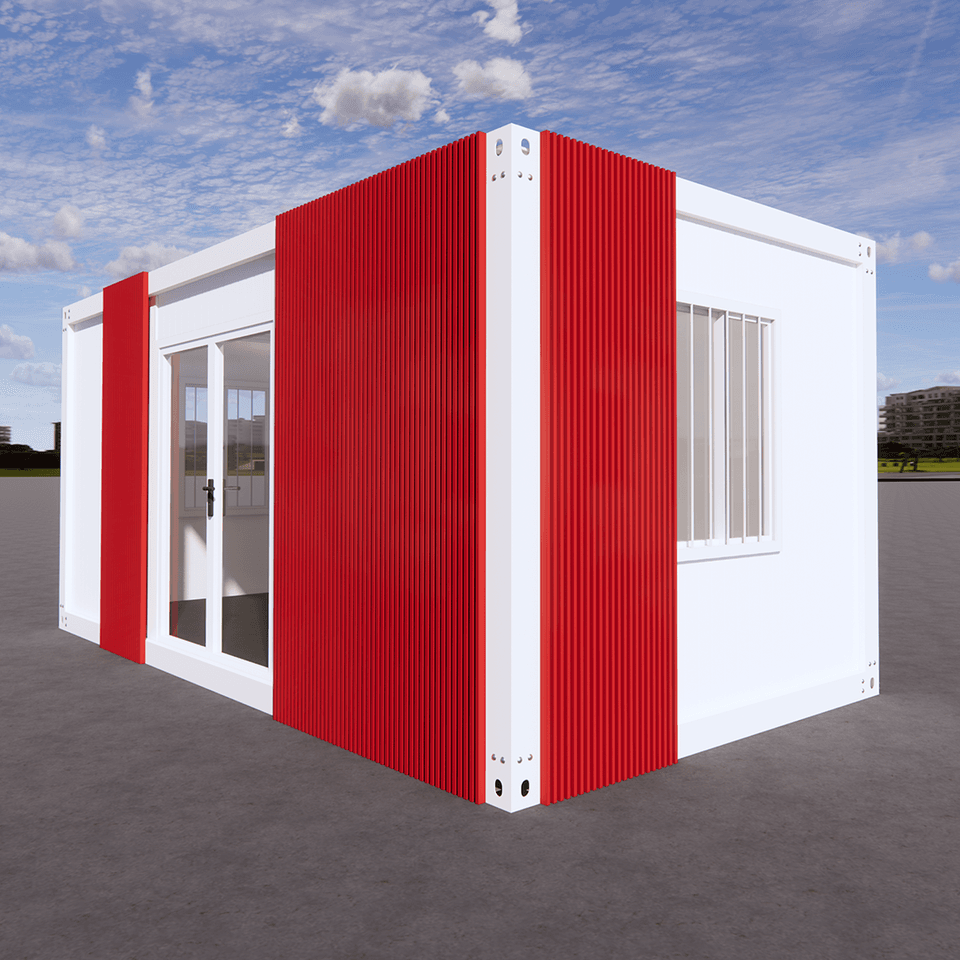
Materials and Structure: They must adapt to complex climatic conditions. For example, in Hubei, where summers are hot and rainy, the toilet body should use modified polyethylene with added UV stabilizers to slow down aging. The metal frame should be made of hot-dip galvanized steel pipes with a zinc layer thickness exceeding 80 micrometers to resist acid rain corrosion. The roof slope should be designed to be greater than 15 degrees to ensure rapid rainwater drainage. The structural strength must meet safety and accessibility requirements. The floor should be made of non-slip fiberglass (friction coefficient ≥ 0.6), the threshold height should be ≤ 3 centimeters, and it should be equipped with foldable handrails (load-bearing capacity ≥ 200 kilograms). The electrical wiring should use waterproof connectors, and the leakage protection switch should have an operating current ≤ 30 milliamperes.
Sewage Disposal System: It should be adapted to the venue conditions. In suburban or temporary venues without municipal sewage pipes, a vacuum suction system should be prioritized to quickly collect excrement through negative pressure and reduce odor diffusion. The capacity of the sewage collection tank should be calculated based on the average daily crowd flow. For example, if the sewage volume per use is about 2 liters and each toilet is used 200 times a day on average, a three-day music festival would require at least 1200 liters of capacity. In remote locations, a biodegradation device can be added to decompose feces into water and carbon dioxide using microorganisms, reducing the frequency of suction. In Hubei, where the groundwater level is high, anti-buoyancy fixing devices should be installed at the bottom of the sewage collection tank.
Spatial Design: It should balance flexibility and functionality. A modular design should be adopted, with each toilet unit as a standardized module that can be quickly assembled and disassembled within 10 minutes through snap-on connections, adapting to crowd flow fluctuations. The interior space should conform to ergonomic principles, with a toilet width ≥ 90 centimeters and a depth ≥ 120 centimeters. The ventilation system should combine a turbine exhaust fan (15 air changes per hour) with a one-way air inlet (located at the bottom of the door panel). Venues with frequent nighttime use should be equipped with LED induction lights (illuminance ≥ 50 lux).
Procurement and Selection: Demand and cost should be comprehensively evaluated. The number of toilets should be configured according to the scale of the music festival, generally requiring 3-5 toilets per 1000 spectators, with a male-to-female toilet ratio of 1:1 or 1:1.5, and options for standard, accessible, or shower-equipped types. Attention should be paid to materials (such as high-strength steel frames and waterproof composite material shells), sealing, odor control performance, and the completeness of interior facilities. For short-term events, renting is more economical, while for long-term or fixed venues, purchasing may be considered, with a comprehensive comparison of rental duration, costs, and procurement maintenance costs. When selecting suppliers, their qualifications, service cases, and customer reviews should be verified, and contract terms (such as service scope, cost breakdown, and maintenance responsibilities) should be clarified. Attention should also be paid to the convenience of transportation and installation and after-sales support (such as 24-hour maintenance response).



