Municipal Public Mobile Toilet
Municipal public mobile toilets are movable sanitation facilities for the joint use of urban residents and the floating population, featuring flexible deployment and diverse functions, and are widely used in urban public areas.

I. Basic Types and Structural Features
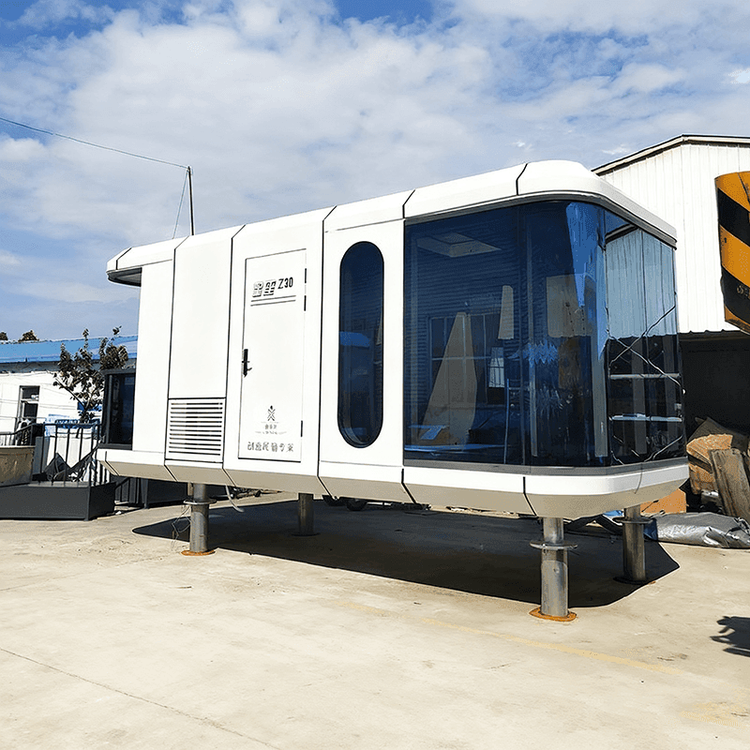
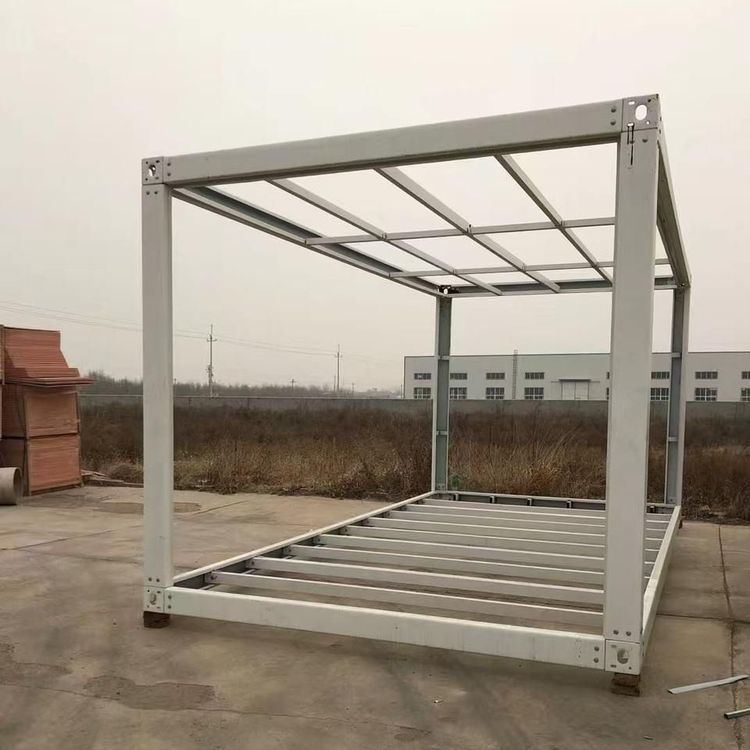
Municipal public mobile toilets come in various types. Taking the classic model as an example, it is usually equipped with four squatting positions, uses metal carved panels as the exterior material, and is paired with a steel structure frame welding process. This design endows it with the characteristics of sturdiness, durability, and strong corrosion resistance, enabling it to be used outdoors for a long time. The internal functional areas are clearly divided. In addition to independent squatting positions, it is also equipped with urinals and a public hand-washing area to meet basic sanitation needs. Some high-end models further optimize the spatial layout, such as adding barrier-free facilities or mother-and-child rooms to enhance convenience of use.
II. Customized Services and Typical Cases
Some enterprises offer full-process customized services. For instance, Shanghai Guyi Construction Engineering Co., Ltd. can provide one-stop solutions from on-site measurement and plan design to production and installation according to customer needs. Its products have been applied in transportation hubs such as Shanghai Railway Station and Pudong International Airport, indicating that mobile toilets can adapt to high-traffic scenarios and need to meet the requirements of rapid deployment and easy maintenance. Customized services are also reflected in material selection, such as using environmentally friendly composite materials to reduce weight or adding solar power supply systems for energy-saving operation.
III. Management Responsibilities and Maintenance Mechanisms
According to regulations, the environmental sanitation administrative departments of urban people's governments are responsible for overall supervision, while the specific construction and maintenance responsibilities are undertaken by environmental sanitation units or relevant property rights units. For example, mobile toilets in parks may be managed by the gardening department, and those beside construction sites may be the responsibility of the construction unit. This division of labor ensures the regular maintenance of the facilities, including regular cleaning, consumable replenishment, and fault repairs, to maintain sanitation standards.
IV. Application Scenarios and Social Values
The core advantage of mobile toilets lies in their flexibility, enabling them to quickly respond to temporary needs, such as during large-scale events, disaster relief, or municipal construction. Their modular design also supports functional expansion, such as integrating deodorization systems or intelligent monitoring equipment to enhance the user experience. From a social perspective, reasonably arranged mobile toilets can effectively alleviate the problem of difficulty in finding toilets in public areas and promote urban civilization construction.