
Not All Multi-Story Houses Are Prefabricated Panel Structures
Not all multi-story houses are constructed using prefabricated panels. The following provides a detailed explanation from the perspectives of the definition of prefabricated panel houses, their historical applications, current status, and handling methods:
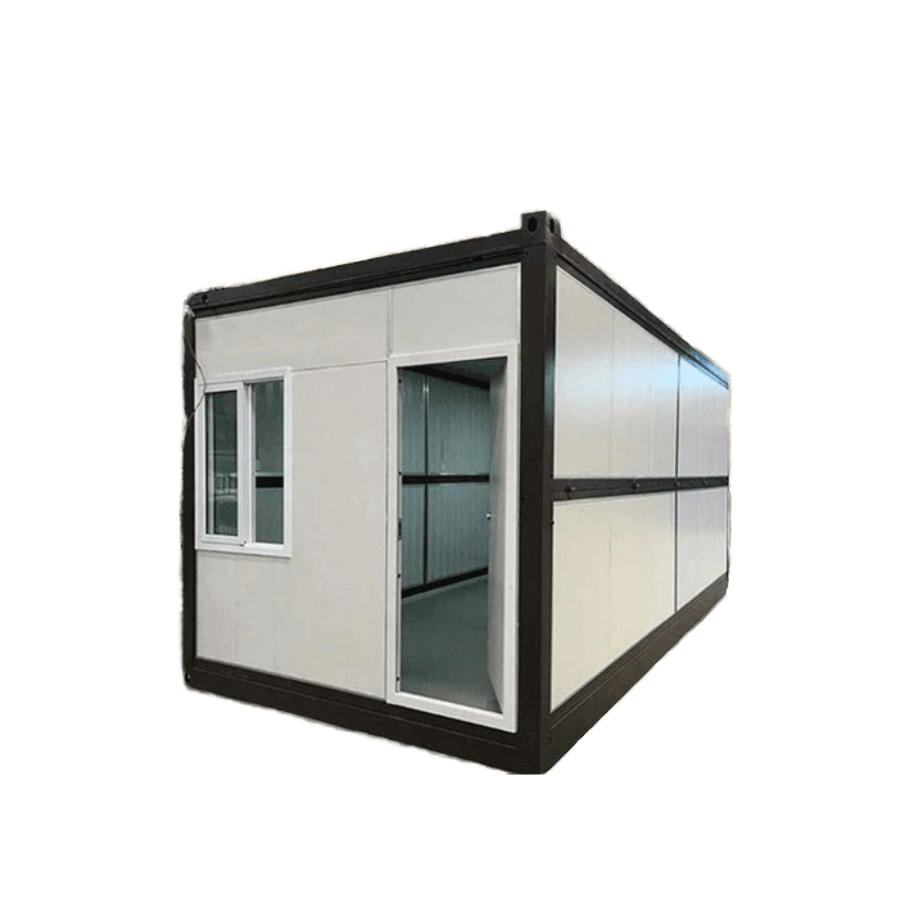
Definition of Prefabricated Panel Houses Prefabricated panel houses are buildings constructed primarily using prefabricated panels. These panels are concrete components pre-made in factories and assembled on-site to form the building structure. This construction method offers advantages such as fast construction speed and lower costs, but it generally has weaker overall integrity and earthquake resistance.
Historical Applications In China, residential buildings constructed before 1985 often used prefabricated panel structures. During this period, due to relatively limited construction technology, prefabricated panels were widely applied in multi-story residential construction because of their standardized production and rapid construction advantages. For example, many residential buildings with six floors or fewer in older neighborhoods used prefabricated panels for floor slabs and some wall components.
Current Status and Replacement Trends With advancements in construction technology, cast-in-place concrete and prefabricated buildings have gradually replaced traditional prefabricated panel houses. Cast-in-place concrete forms a monolithic structure through on-site pouring, offering better earthquake resistance and durability. Prefabricated buildings, on the other hand, combine construction efficiency with structural quality through factory-produced components and on-site assembly. Currently, newly built multi-story houses rarely use prefabricated panel structures, with applications limited to some temporary buildings or special scenarios.
Differences in the Current Status of Different Prefabricated Panel Residences Even among prefabricated panel residences built decades ago, there are significant differences in their current status. Some houses can still be used after maintenance and reinforcement: By conducting structural inspections, reinforcing floor slab connections, and adding seismic resistance measures, their service life can be extended. Some houses pose significant structural risks: If the prefabricated panels are severely aged, connection parts are damaged, or the original design standards are low, potential safety hazards may exist. In such cases, handling methods such as demolition and reconstruction or targeted reinforcement should be adopted based on professional assessments.
In conclusion, the structural form of multi-story houses should be comprehensively evaluated based on the construction era, technical standards, and maintenance conditions, and cannot be generalized as prefabricated panel structures.



