Multi-Purpose Container Houses
A multi-purpose container house uses shipping containers as basic structural modules, converted into livable or office buildings. It is eco-friendly, flexible, and low-cost, and is widely used for temporary housing, creative spaces, post-disaster emergency buildings, and more.
Structure and design features
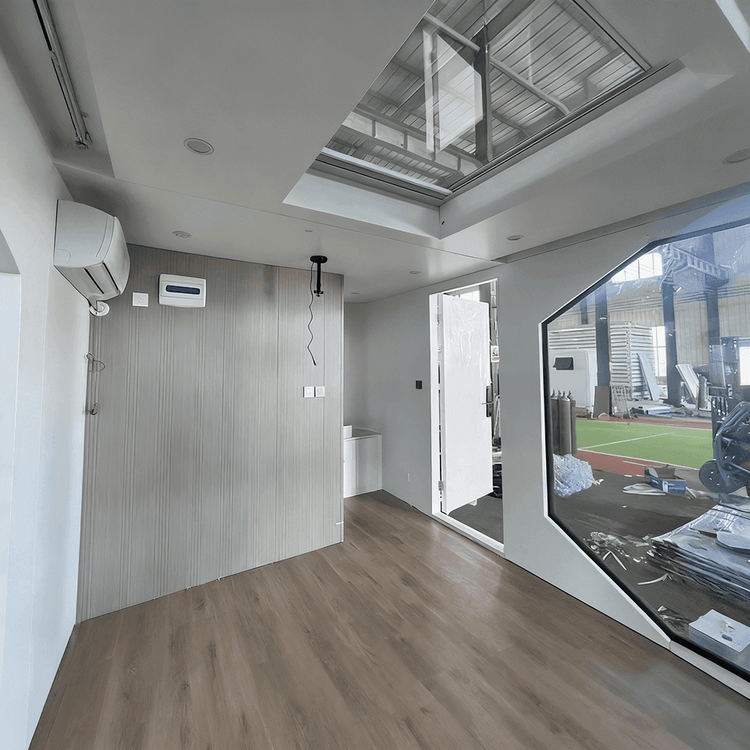
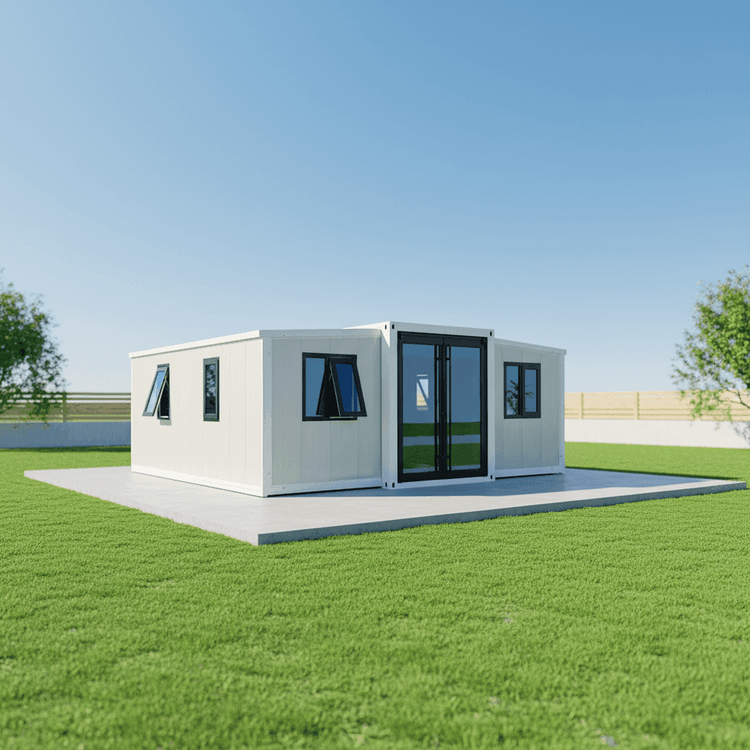
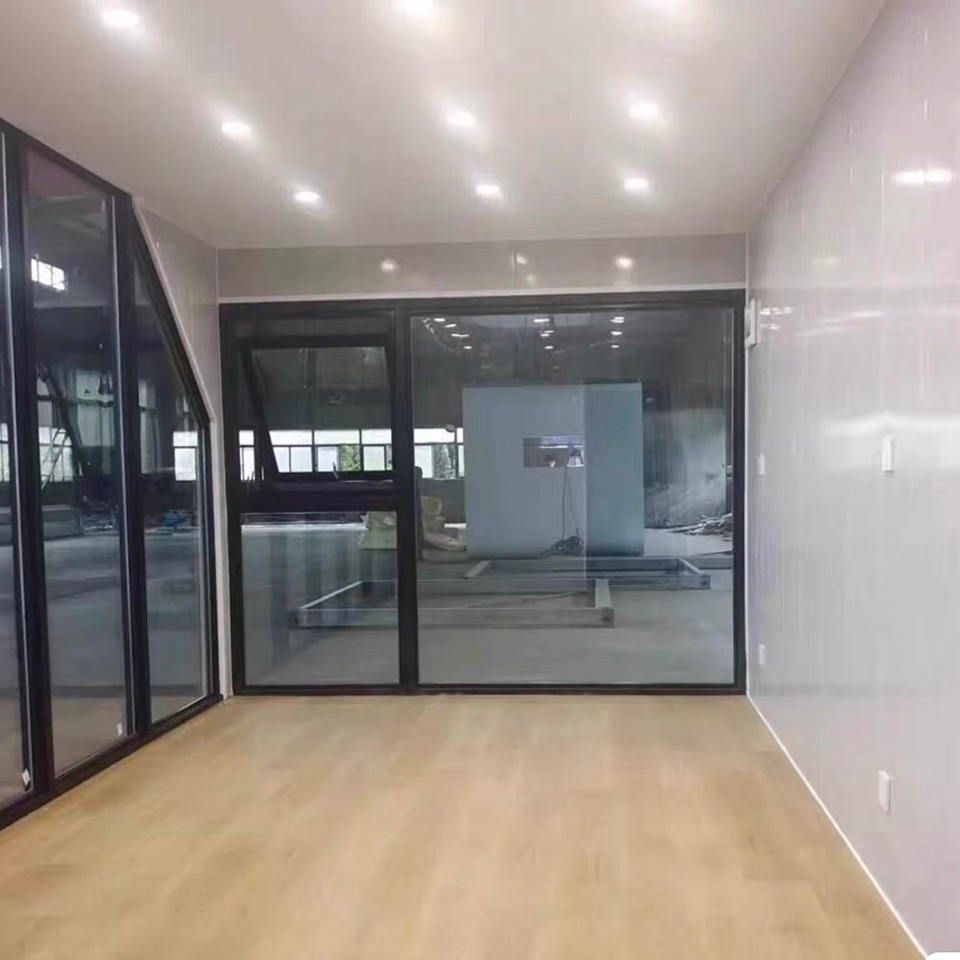
Multi-purpose container houses use standard containers as the frame and reshape interiors by cutting, welding, and reinforcing. For example, a 4×8 m unit may use a dual-slope drainage design; wall panels often use medium-yellow fine corrugated material for looks and durability. Interiors can be divided flexibly—activity room (outer) and rest room (inner)—with multiple windows for daylight; some lightly finished units are “move-in ready.” Modular structure makes stacking and joining easy for different scenes.
Application scenarios and advantages
- Temporary housing: Common as worker dormitories on sites or as rental homes. Short build time and high mobility respond quickly to housing needs.
- Emergency and public facilities: In post-disaster rebuilding they can deploy fast as temporary clinics, command centers, and more. For example, the 2026 Nagoya Asian Games used container houses for the Athletes' Village, and Shanting District in Zaozhuang, Shandong, China used them for a distinctive homestay scenic area.
- Commercial innovation: With smart upgrades they become 24-hour self-service fitness pods, cafés, and other creative spaces, expanding business uses.
Directions for technical improvement
To raise suitability, makers keep improving insulation, energy supply, and smart management—new insulation to cut energy use, solar panels for self-supply, or IoT monitoring of environmental parameters. These upgrades make use more feasible in extreme climates or remote areas.
Environmental and economic value
Eco benefits include recyclable materials and low-pollution construction, aligned with sustainability. Costs are below traditional buildings, and units can be dismantled and reused, lowering long-term operating costs—ideal for temporary or low-cost projects.