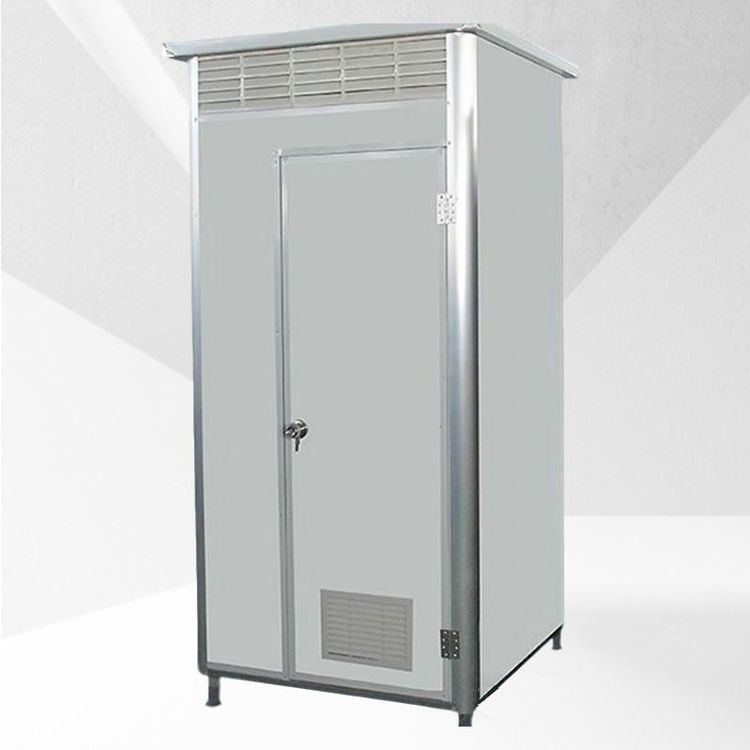
Moving to Toilet Special Effects
Currently, there are no reports directly related to the technology or functionality of 'special effects for mobile toilets'. The core design of mobile toilets typically revolves around practicality, convenience, and sanitation management, rather than visual effects or technological enhancements. Here are some relevant cases and analyses:

1. A Mobile Public Toilet in Fujian: QR Code Payment and Countdown Function
In this case, the mobile toilet adopts intelligent management, requiring users to scan a QR code and pay 10 yuan before entering, with the countdown displayed simultaneously on their mobile phone screens. After the time expires, users can choose to renew the payment or end the order. This design primarily addresses the issue of managing the duration of public toilet usage, preventing prolonged occupation and resource strain. The technological focus lies in the integration of the payment system and the countdown module, rather than visual effects. For example, the countdown interface may simply display numbers without dynamic lighting or animation effects.
2. 'Tidal Toilet' at West Lake Scenic Area in Huizhou, Guangdong: Dynamic Toilet Cubicle Adjustment
The 'tidal toilet' adjusts the usage rights of male and female toilet cubicles based on real-time foot traffic using movable signs or lockable sliding doors. For instance, when there is a long queue of women, some male toilet cubicles are temporarily converted into female ones. This design falls under spatial management optimization and does not involve any visual or technological effects. Its core is to achieve flexible allocation of toilet cubicles through physical signs or door lock control, unrelated to special effects.
Common Technological Directions for Mobile Toilets
From existing cases, the technological development of mobile toilets focuses more on the following directions:
- Intelligent Management: Such as QR code payment, automatic cleaning, and remote monitoring;
- Spatial Optimization: Such as foldable structures and modular combinations to adapt to different scenarios;
- Environmental Protection and Energy Efficiency: Such as solar power supply and sewage recycling systems. Visual effects or technological enhancements (such as dynamic lighting and AR navigation) have not yet seen practical applications in the field of mobile toilets, possibly due to factors such as cost, practicality, or maintenance difficulty.
Conclusion
The design of mobile toilets centers on addressing public sanitation needs, and current cases do not involve 'special effects'-related functions. To further explore this field, attention can be paid to more mature technological directions such as intelligence and environmental protection.